Stainless steel vs. concrete. Tech-locked vs. open accessibility.
Your city has a toilet problem, and it’s your job to answer the call. With all the options out there, how do you know which outdoor toilet model is the right fit for your city’s needs, budget, and long-term goals?
We’re the Portland Loo®, and we’re glad you asked!
Here, our team of toilet professionals has compiled all the details you need to know to compare four outdoor public restroom models, including budget, durability, ease of maintenance, questions to ask, and more. We’re confident that you’ll walk away with more details about outdoor toilets than you ever wanted to know, including which one’s the right Loo for your city.
Table of Contents
- Portland Loo® vs. Its Competitors: One Decision, Four Options
- Built To Last, or Built To Budget? How Materials Shape Every Other Decision
- The Cleaning Reality Nobody Puts in the Brochure
- Who Can Walk up and Use It, No Phone Required?
- Design That Deters Crime, or Hope for the Best?
- Sticker Price vs. What You’re Still Paying in Year Ten
- One Size Doesn’t Fit All: Matching the Right Restroom to the Right Location
- Questions To Ask Before You Commit
- The Portland Loo®: Ready When Your City Is
Portland Loo® vs. Its Competitors: One Decision, Four Options
Let’s dive right in by introducing the contenders:
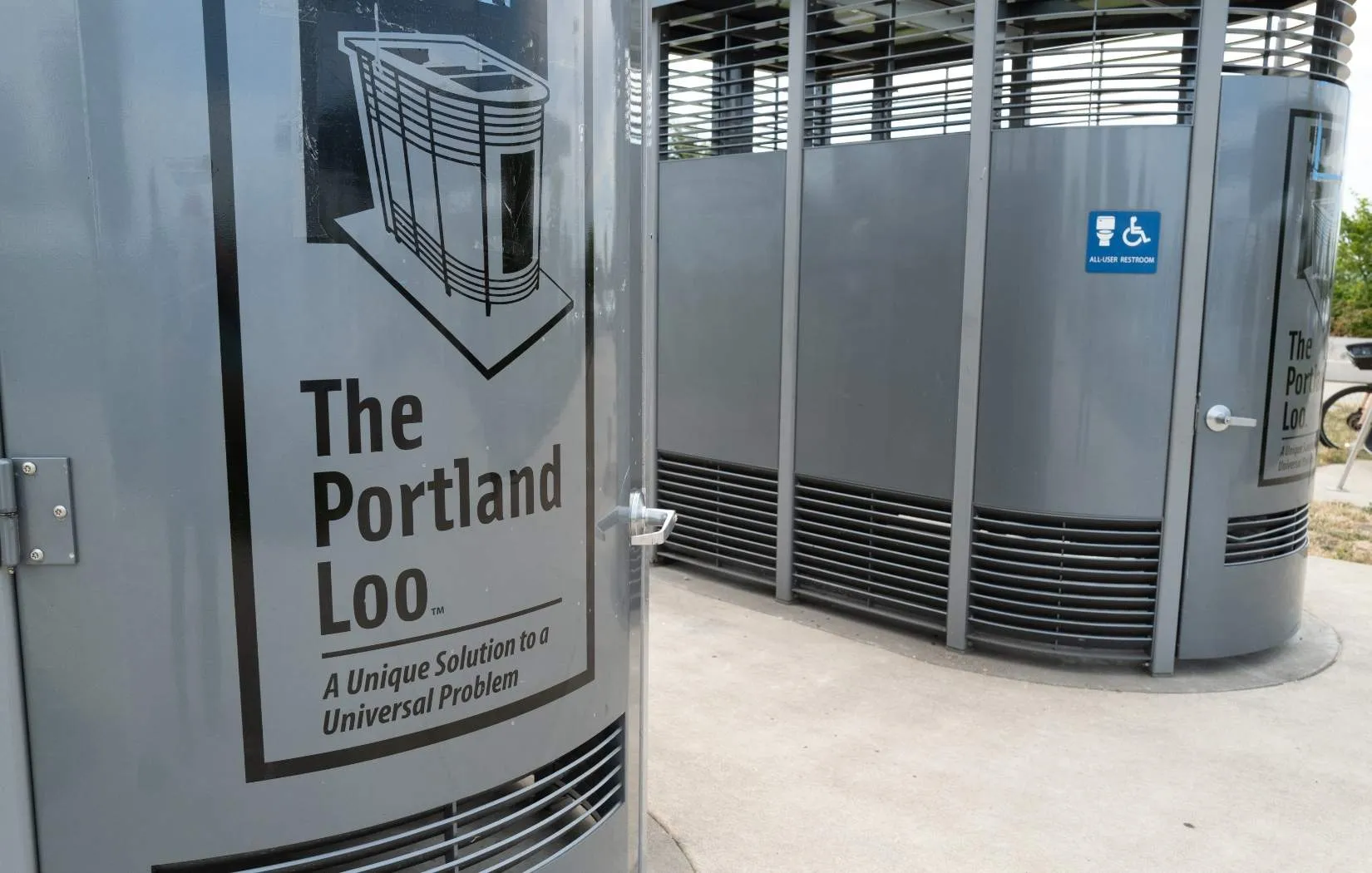
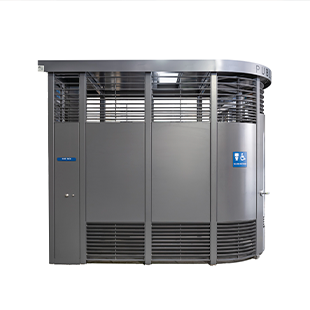
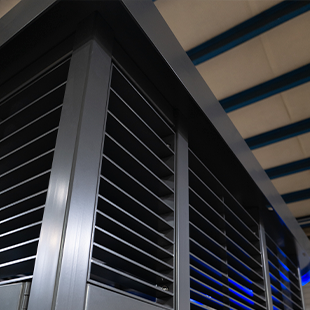
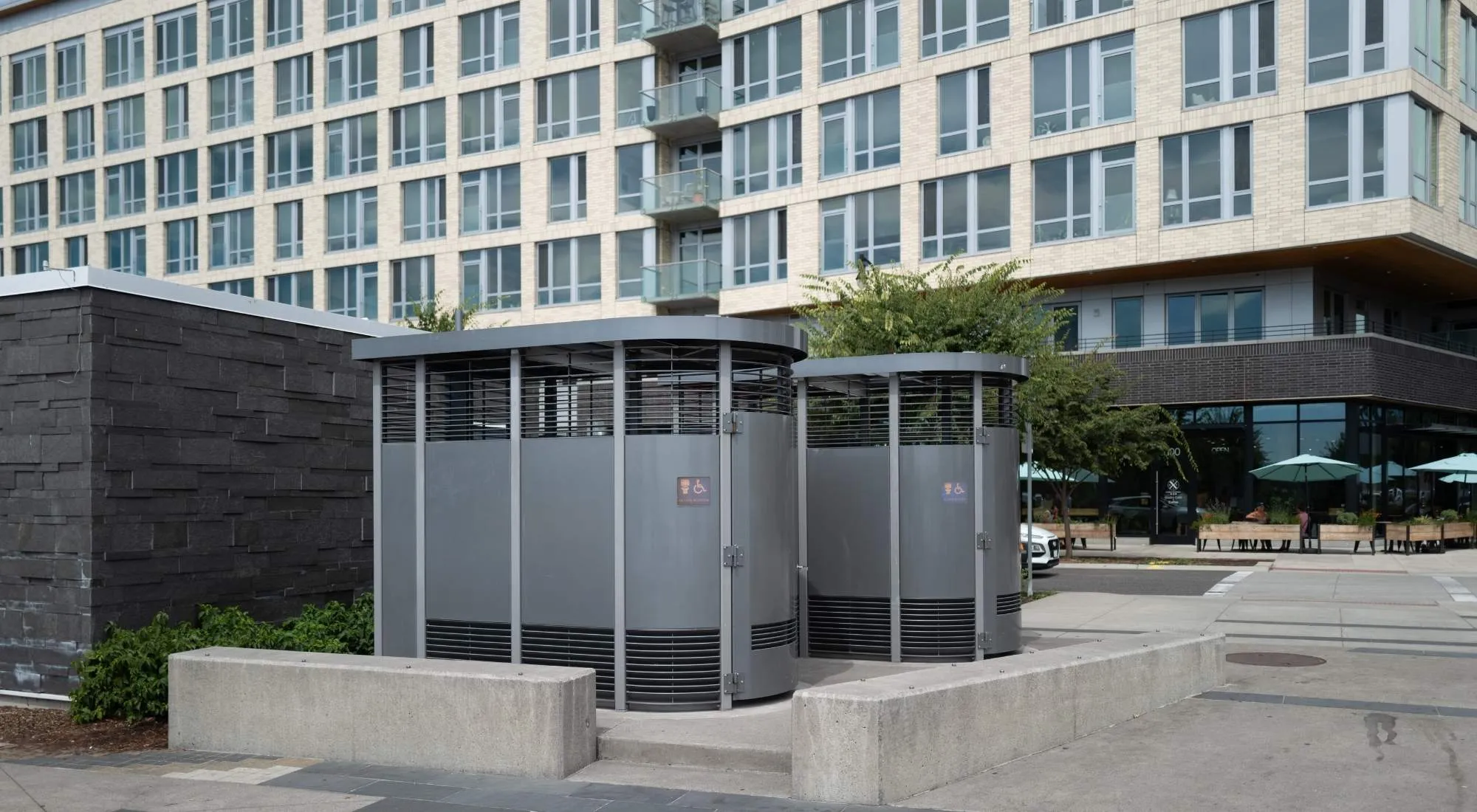
- The Portland Loo®: A Portland Loo® is a patented, stand-alone public restroom that was developed by the City of Portland, Oregon. The Loo was specifically designed to thwart vandalism and curb illegal activity and features slanted louvers for visibility, graffiti-proof stainless steel walls, and a grated floor.
- Throne: Thrones are marketed as smart, accessible restrooms that are designed for public spaces. With 21+ sensors, running water, and real-time user cleanliness ratings, they’re a delightful place for anyone to go.
- Romtec: Romtec makes popular, durable vault-style public restrooms that are commonly found in state and national parks, trailheads, and remote recreation areas without access to running water and plumbing.
- Precast concrete: Precast concrete toilets are manufactured in a factory and transported, fully assembled, to their destination. They’re designed for heavy public use, exceptional durability, and weather resistance.
If your city is ready to solve the outdoor toilet conundrum, The Portland Loo® is just what you’ve been looking for.
A public restroom design developed by the City of Portland, The Loo® addresses the city’s need for durable, safe, clean, and accessible public restrooms in both urban and rural areas. The Loo® was created in response to concerns about hygiene, safety, and accessibility in public restrooms, and its design reflects a focus on durability, security, and ease of maintenance.
Contact us today to learn more.

Built To Last, or Built To Budget? How Materials Shape Every Other Decision
We’re guessing you’ve already noticed, but not all outdoor toilets are built the same. Practically speaking, the materials chosen impact the unit’s corrosion susceptibility, ease of cleaning, structural longevity, and approach to inevitable repairs.
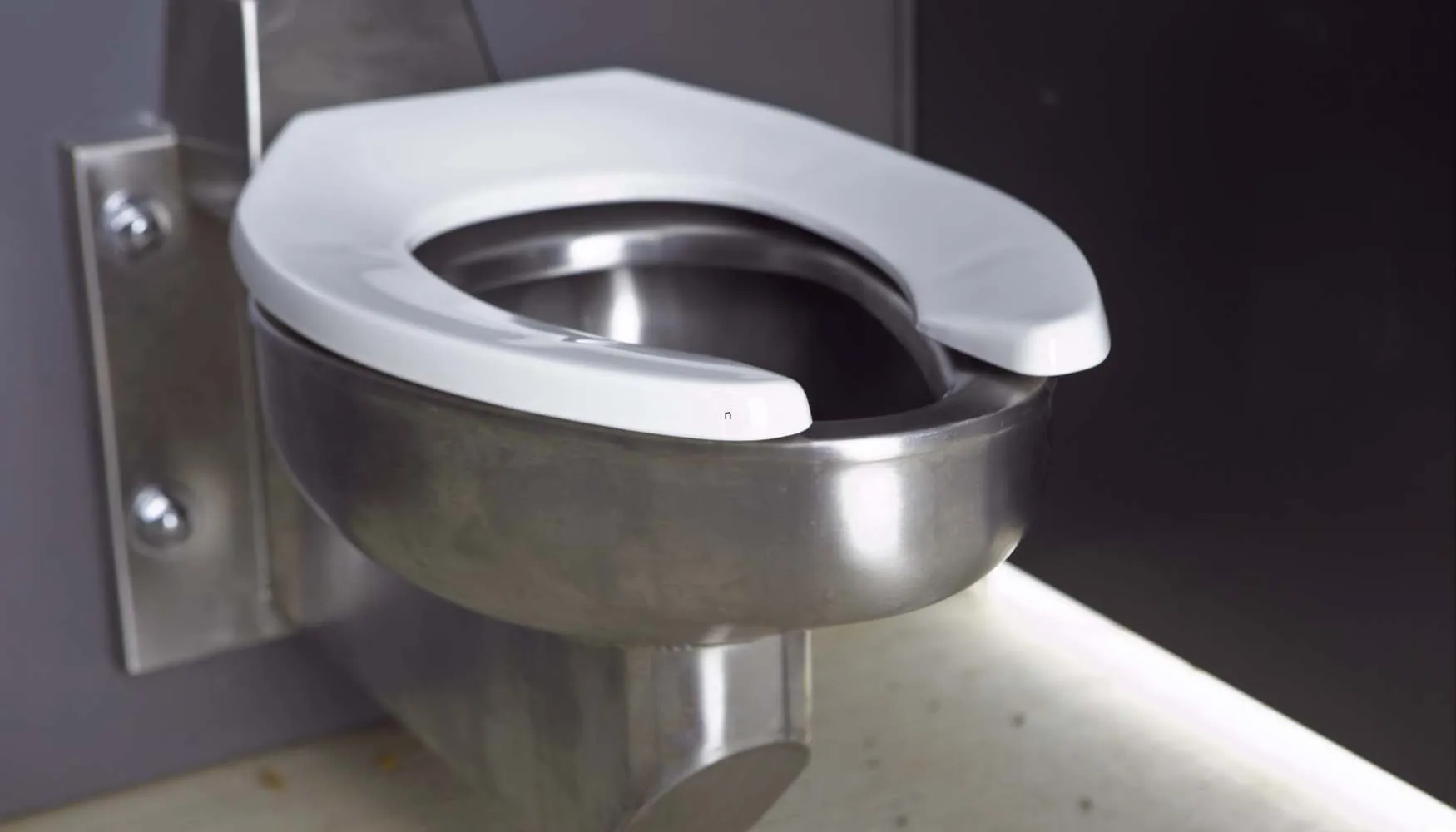
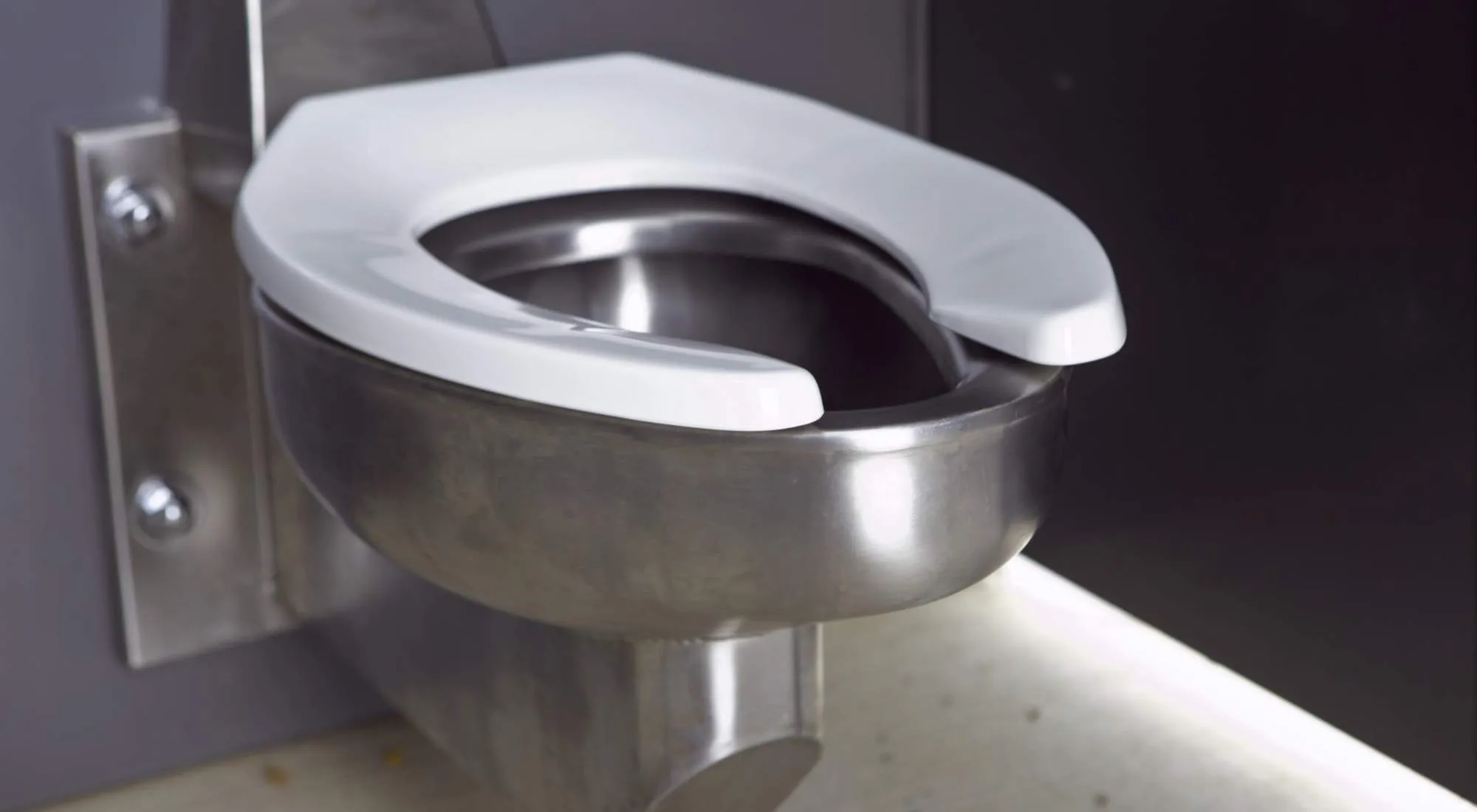
- The Portland Loo® uses 304 stainless steel as standard, with 316 available for coastal and saltwater environments.
- Throne uses lightweight modular materials with technology components integrated throughout.
- Romtec uses mild steel panels welded to columns.
- Precast concrete restrooms are formed using either poured or block construction.
Durability and Long-Term Cost
When you’re comparing material choice to downstream outcomes, it becomes clear: get the material right, and most other decisions follow:
- Corrosion means more frequent replacement.
- Porous surfaces mean odor and staining that gets nastier over time.
- Welded construction means a damaged panel isn’t simply a component swap; it’s a repair job.
- Non-proprietary, locally sourceable parts mean your crew isn’t sitting around waiting on a vendor.
The Cleaning Reality Nobody Puts in the Brochure
Glossy brochures often paint a pretty picture of the public happily using outdoor toilets. But what does maintenance actually look like in the field? We’ll let the maintenance realities speak for themselves:
The Portland Loo®:
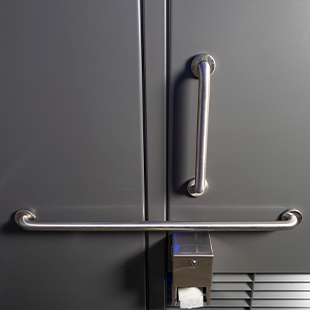
- Cleaning method: The Loo is designed to be virtually indestructible and low-tech. Maintenance staff simply have to open the utility cabinet, pull out the attached water hose, and use it to spray down the stainless-steel walls and non-slip concrete floor.
- Frequency: Varies, but they’re typically cleaned daily (or even multiple times daily) in high-traffic locations.
- Details: There are no moving parts, automatic sensors, or internal sinks, which means the waste flows out the drain, and graffiti can easily be pressure-washed or quickly painted over.
Throne:
- Cleaning method: Throne is managed by a service network rather than local janitors, with staff or users reporting cleaning needs via the app. When cleaners arrive, they restock hands-free amenities and wipe down smooth surfaces with standard, non-toxic commercial cleaners.
- Frequency: Units are constantly monitored, and cleaners are dispatched as needed based on digital analytics or user ratings.
- Details: Units depend on specialized service to ensure the composting/vault waste is emptied and solar power/Wi-Fi systems are functioning properly.
Romtec:
- Cleaning method: Similar to standard commercial park restrooms, Romtec restrooms are maintained by custodians who use traditional manual cleaning methods, including mops, brooms, and trigger spray bottles. Standard commercial disinfectants are applied to the fixtures, toilet bowls are scoured, floors are swept, and paper products are restocked.
- Frequency: Units are usually cleaned on a daily or weekly schedule, depending on the season and location.
- Details: As traditional prefabricated buildings that utilize a rear mechanical chase, maintenance consists of checking water valves, plumbing, and electrical controls, and restocking consumable supplies from an enclosed utility closet.
Precast concrete:
- Cleaning method: Concrete toilets must be scrubbed with soft brushes and mild, soapy water since high-powered pressure washers can damage concrete surfaces. Stains are frequent and require the use of grit-type cleaners or specialized acidic masonry treatments.
- Frequency: Units are typically cleaned weekly or as needed for toilets located at trailheads and remote park locations.
- Details: Precast concrete units are heavy-duty, permanent vault or plumbed structures, and due to the natural porosity of concrete, maintenance involves more than simply cleaning fixtures and sweeping floors. Resealing the concrete floors and walls to prevent odor absorption is needed at varying intervals.
Who Can Walk up and Use It, No Phone Required?
For cities that serve seniors, tourists, unsheltered populations, or low-income residents, the accessibility distinction carries real equity and liability weight.
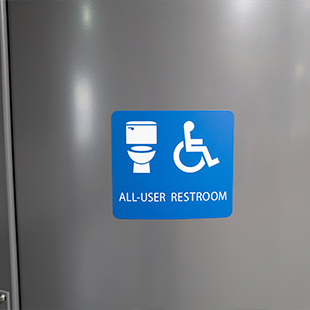
- The Portland Loo®: ADA-compliant with no digital barrier to entry. Walk up, open the door, and use the facility
- Throne: Requires smartphone access, QR code scanning, or app authentication to unlock the unit
- Romtec: ADA-compliant with no digital barrier to entry. Walk up, open the door, and use the facility
- Precast concrete: ADA-compliant with no digital barrier to entry. Walk up, open the door, and use the facility
It’s important to note that while ADA-compliance grants physical accessibility, it doesn’t account for digital access barriers, which are a meaningful gap when the goal is a public restroom that works for every demographic.
Design That Deters Crime, or Hope for the Best?
Each of the four outdoor restroom options utilizes a different strategy to keep crime from happening, which ranges from environmental design to smart technology to physical fortification.
- The Portland Loo®:
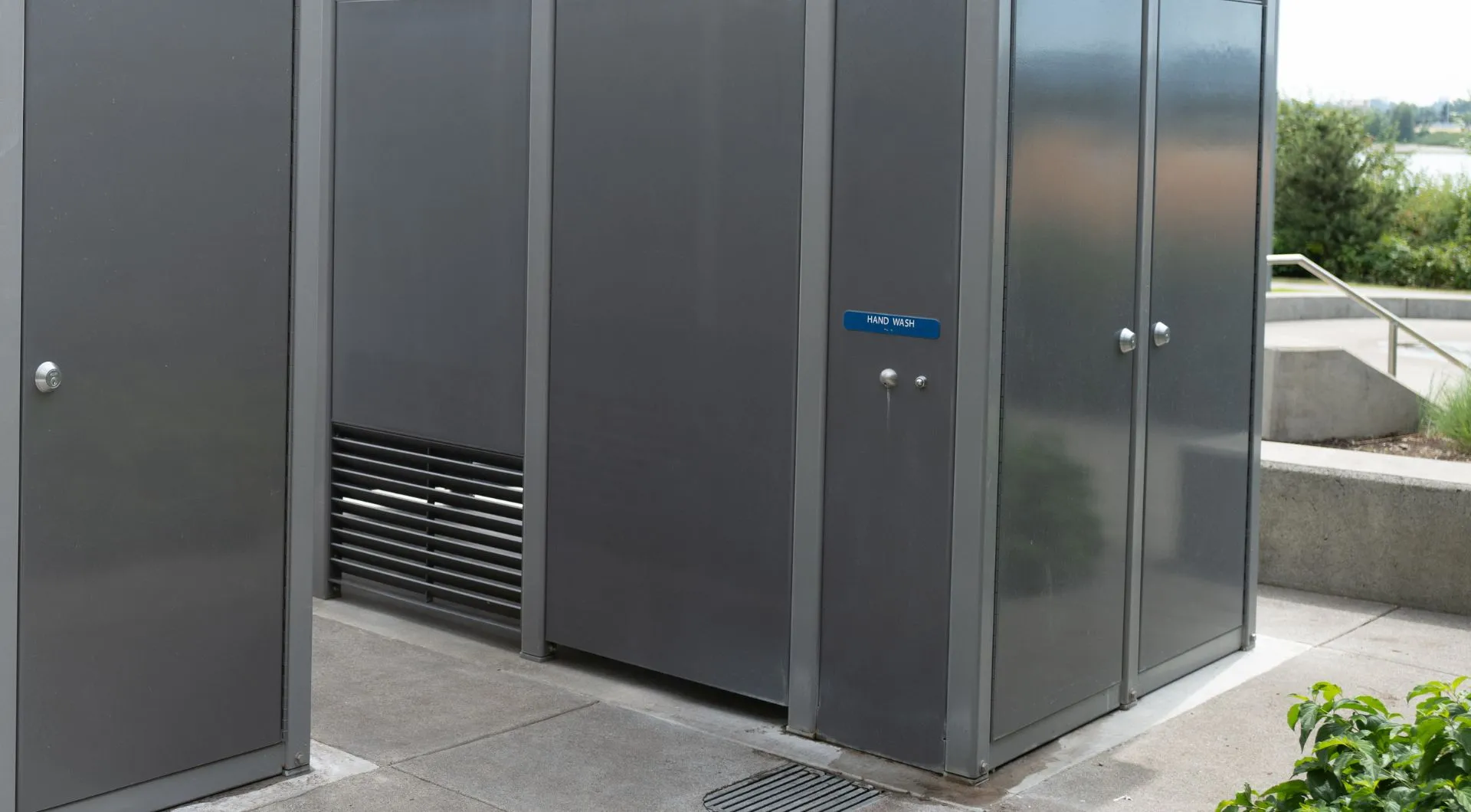
- Slanted metal grating at the top and bottom lets officers and passersby see feet underneath and hear interior activity
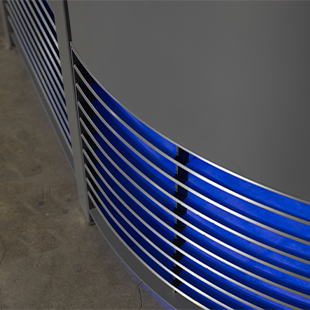
- Blue interior lighting (often mistaken for a fancy feature) that’s specifically designed to deter drug use because the hue makes it difficult to find your veins
- Open concept that discourages loitering and extended misuse
- Exterior-only sinks encourage quick use
- Exterior light that shines until someone enters
- Outside light that goes off when someone enters, so everyone knows it’s occupied
- Throne:
- User identity is tied to their visit
- Enforces a strict 10-minute time limit before triggering an automated warning and ultimately opening the door if the user doesn’t vacate
- Built-in IoT sensors monitor for vandalism and send remote alerts for on-demand cleaning
- Romtec: Louvered vents designed primarily for ventilation, with only very minimal visibility inside the unit
- Precast concrete: Traditional enclosed building, offering no visibility inside the unit
Passive Visibility Changes the Equation
Passive visibility equals the ability for someone walking past to notice any unusual activity without seeing inside the unit. It’s a perfect crime prevention feature in high-traffic public locations since it doesn’t require the use of:
- Cameras
- Monitoring
- Enforcement presence
Portland Loo®’s louver design achieves this visibility goal without compromising the user’s privacy.
Sticker Price vs. Long-Term Value
When you invest in an outdoor toilet, your city isn’t just buying a product; you’re entering a decade-plus maintenance relationship. This is why lifespan matters.
- The Portland Loo®:
-
-
- Designed to last generations, with a lifespan of 100+ years.
- Built from heavy-gauge stainless steel, the Loo’s true longevity secret is its modular design. Instead of tearing down the toilet when damage occurs, walls and damaged parts can be unscrewed and replaced individually, making the unit virtually indestructible.
-
- Throne:
-
-
- A service-based solution, with a lifespan of 5 to 10 years.
- As “smart” tech or service-based mobile units, Thrones require high, ongoing service fees of up to $3,000–$5,000 a month per unit. They also rely heavily on onboard electronics, solar systems, and moving parts, which means the hardware degrades and/or becomes obsolete much sooner than heavy industrial structures.
-
- Romtec:
-
-
- Built for durability, with a lifespan of 40 to 50+ years.
- Using combinations of concrete, steel, and advanced materials like structural insulated panels units may last for decades. Ultimately, lifespan depends heavily on routine roof, fixture, and plumbing maintenance.
-
- Precast concrete:
-
- Strong structural builds, with a lifespan of 30 to 40 years.
- Interior fixtures and seals require significant refurbishment or replacement, although the exterior structure may last years longer.
One Size Doesn’t Fit All: Matching the Right Restroom to the Right Location
Not every restroom site has the same demands, so it’s important to choose the unit that’s right for the location.
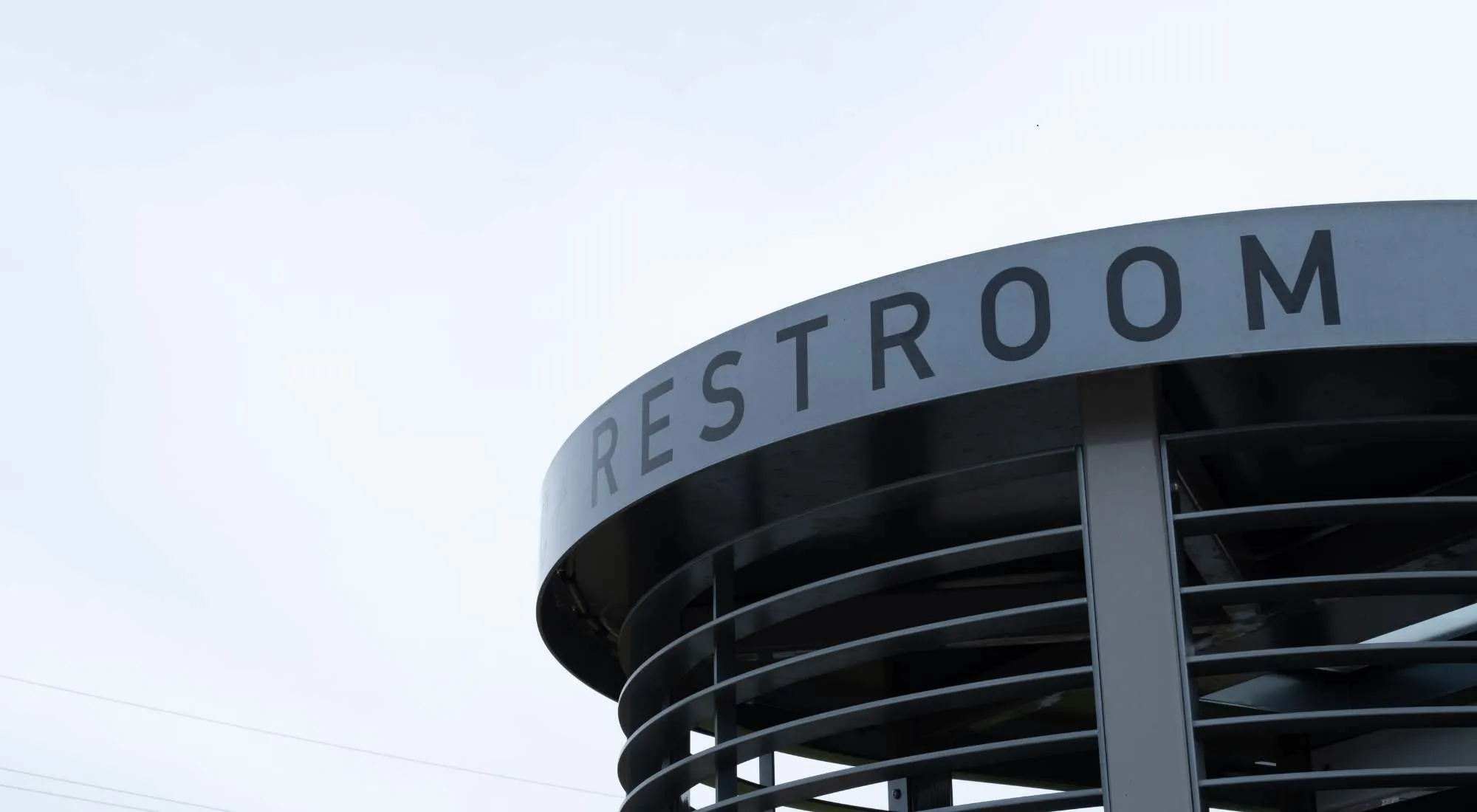
- The Portland Loo®: The Portland Loo® is perfectly suited for high-traffic, outdoor urban locations that have both limited space and high visibility, such as:
- Transit hubs
- Downtown sidewalks
-
-
- Trails
- Active recreation areas like skate parks
-
- Pedestrian promenades
- Urban plazas
- Public parks
- Throne: The Throne is best suited for municipal sites that lack the budget for expensive construction, including:
-
-
- Transit hubs
- Urban plazas
- Public parks
- Commercial corridors
-
- Romtec: The Romtec Sidewalk Restroom is best suited for high-traffic, urban environments that offer easy access to city utility tie-ins, including:
-
-
- Transit hubs
- Urban parks
- Active recreation areas like skate parks
-
- Precast concrete: Precast concrete toilets are best suited for locations that lack traditional water and sewer infrastructure, such as:
-
- Public parks
- Trail heads
- Conservation areas
Questions To Ask Before You Commit
Before coming to a decision, city managers and parks directors will want to ask a few key questions, including:
- What demographic will be using this restroom (tourists, unsheltered populations, families with small children, senior citizens, etc.)?
- What’s our maintenance crew capacity?
- Will the location experience specific environmental conditions, such as flooding or harsh winter weather?
- Will the structure require freeze-proofing of valves, insulation, etc.?
- Do we have reliable utility access?
- What’s our 10-year budget picture?
- Is the projected site prone to vandalism?
The Portland Loo®: Ready When Your City Is
The Portland Loo® created a unique solution to a universal problem: prefabricated restrooms for urban and rural spaces.
We heard your pleas for hygienic, safe, and accessible public restrooms, and our design reflects a focus on durability, security, and ease of maintenance.
Our units are the perfect option for cities wanting:
- Open design
- Durability
- Privacy with visibility
- Accessibility
- Easy-cleaning features
Contact us today to build your Loo!