




Visitors heading to waterfront areas expect a clean, comfortable, and convenient place to freshen up while enjoying the shoreline. When restrooms are unavailable or poorly maintained, it can quickly affect how long people stay and whether they return. Facilities that are outdated or not designed for coastal conditions often require frequent repairs, which can increase maintenance costs over time.
Waterfront locations such as marinas, beaches, boardwalks, and lakesides require restrooms that are:
Since 2008, The Portland LooⓇ has been installing prefabricated restrooms for waterfronts that prioritize user safety, accessibility, and low-maintenance performance. These prefabricated solutions are specifically designed for waterfront settings, where exposure to the elements and consistent public use make long-term reliability essential.


When planning long-term infrastructure for waterfront areas, it becomes clear that prefabricated solutions offer distinct advantages over traditional site-built construction.
| Feature | Traditional | Prefabricated |
|---|---|---|
| On-site Build Timeline | Months On-site construction can take weeks or months due to factors such as weather, tides, requirements, and site accessibility challenges. | Days Off-site construction shortens the time required on-site because the production schedule is not impacted by unpredictable factors common in waterfront areas. |
| Budget Certainty | Variable Traditional construction can quickly become more expensive due to conditions like unstable ground, drainage issues, corrosion, etc. | Predictable Prefabricated construction takes place in a controlled setting with a clearly defined scope from the start. This helps provide greater cost predictability. |
| Site Disruption | High Traditional construction requires equipment on-site, which can disrupt access, limit usable space, and create safety concerns. | Minimal Prefabricated restrooms arrive ready for installation, which allows waterfront areas to remain open to the public and helps avoid major disruptions for visitors. |
| Maintenance Burden | Higher Materials in traditional construction are hard to clean and more exposed to vandalism, which can lead to higher long-term maintenance costs. | Lower Prefabricated restrooms make routine cleaning more efficient and help discourage vandalism and reduce wear over time, or costly maintenance. |
| Standardization | Inconsistent Construction outcomes can vary depending on changing crew conditions, material availability, and environmental factors | Consistent Manufactured in a controlled setting, each restroom is fabricated with consistent quality and designed to meet reliable performance standards. |
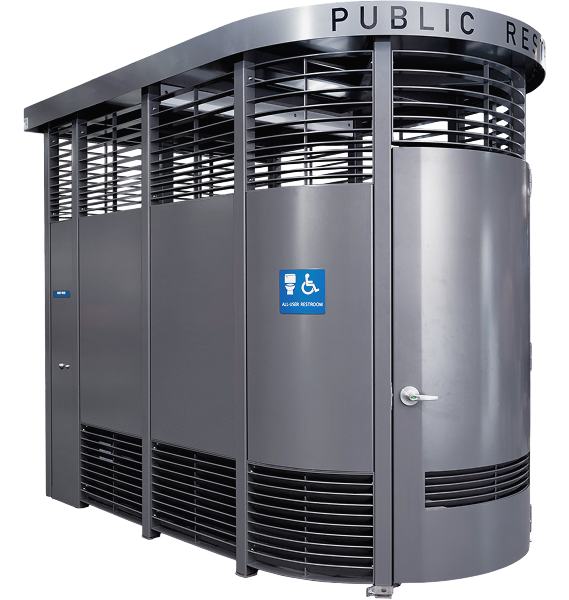
Rather than adapting a standard public restroom design, The Portland Loo® developed a modular solution specifically intended for waterfront environments. The design reflects input from the communities that use these spaces, helping discourage misuse, support public safety, and reduce long-term maintenance and operational costs.
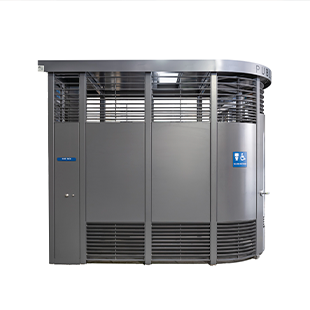
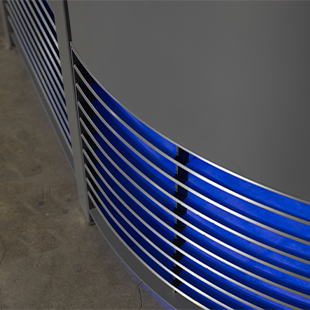
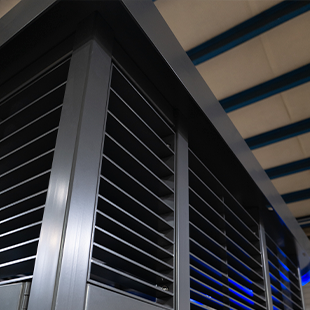
The Loo features an open-air layout that supports natural airflow and improves overall visibility. Its angled louver system allows maintenance teams and public safety personnel to easily observe conditions inside, helping maintain a clean and secure space. Upper louvers are strategically positioned to enhance ventilation, reducing odors without relying on mechanical systems.
Constructed from high-grade 304 or 316 stainless steel, the structure is designed to perform in demanding waterfront environments. It resists corrosion from salt air, holds up against extreme weather, and stands strong in high-traffic areas. Inside, heavy-duty fixtures and vandal-resistant components add another layer of durability and long-term reliability.
The design offers users a sense of privacy while still allowing for subtle external visibility. This balance supports a safer environment by discouraging unwanted behavior, while still ensuring that the space feels comfortable and appropriate for everyday use.
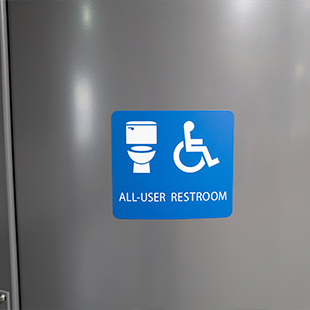
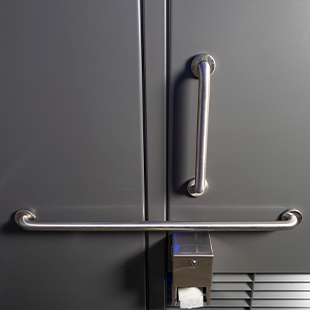
The Portland Loo® restrooms are ADA-compliant and designed to accommodate individuals with a wide range of mobility and accessibility needs. From wheelchair users to those requiring additional support, the space is built to be inclusive and easy to navigate.
Cleaning is simplified through thoughtful design elements such as a grated floor that allows water to drain efficiently. This feature helps maintain sanitation and reduces misuse. An anti-graffiti powder-coated finish adds protection to the exterior while keeping surfaces easy to clean and maintain over time.
Prefabricated restroom solutions by The Portland Loo® are well-suited for a wide range of shoreline and water-adjacent environments, including:

Marinas and boat launches

Public beaches and coastal access points

Boardwalks and waterfront promenades

Lakeside parks and recreational areas

Campgrounds near rivers, lakes, or coastal regions

Fishing piers and dockside gathering spaces

Single or double-unit layouts to accommodate varying levels of foot traffic
Built-in handwashing stations to support hygiene in high-use public areas
Solar power capabilities for locations with limited electrical access
Cold-weather upgrades to maintain functionality in lower temperatures
Corrosion-resistant materials designed for coastal and marine environments
Additional enhancements and add-ons tailored to site-specific requirements
We collaborate with your team throughout the entire process to ensure the following elements are addressed before installation:

Prefabricated restrooms should be positioned near high-use waterfront features such as docks, beach access points, or boardwalks. Proper grading, drainage, and access for maintenance crews are essential, especially in areas prone to flooding or shifting ground conditions.

Choosing open, well-lit locations helps promote a secure environment for visitors. Strategic placement allows for natural visibility while still maintaining appropriate privacy for users, which supports both comfort and responsible use.

Applying Crime Prevention Through Environmental Design principles helps reduce the likelihood of misuse. Clear sightlines, consistent lighting, and resilient materials all contribute to a space that is easier to monitor and maintain.
Early confirmation of water, sewer, and electrical connections is critical for a smooth installation process. Addressing these requirements upfront helps prevent delays and avoid unexpected site modifications later on.

It is important to consider the full lifecycle cost of the restroom, including upkeep and durability over time. Prefabricated solutions offer more predictable expenses and can help reduce long-term financial strain compared to traditional construction.
Before installation, the site should have access to essential infrastructure such as water and sewer connections. Electrical service may also be required depending on selected features, though alternative power options can be considered. Early coordination helps ensure the location is properly prepared for a smooth installation.
These restrooms are built to handle the unique challenges of waterfront settings, including moisture, corrosion, and heavy foot traffic. Compared to traditional construction, they offer faster deployment, more consistent quality, and lower long-term upkeep, making them a reliable choice for public shoreline spaces.
Because these restrooms are constructed off-site and delivered nearly complete, the time spent on location is minimal. Once the site is prepared and utilities are ready, installation can usually be completed within just a few days. This streamlined process helps keep waterfront areas open and accessible during the project.
Prefabricated restrooms designed for waterfront use are built with materials that resist corrosion, moisture, and constant exposure to the elements. Features like stainless steel construction and protective coatings help prevent deterioration over time, ensuring the structure remains functional and visually maintained even in harsh shoreline conditions.
Open safety-grating
These open grates provide excellent visibility, allowing for easy monitoring while maintaining user privacy.
HOW DOES THE LOO HELP REDUCE INAPPROPRIATE USE, SUCH AS PROSTITUTION OR DRUGS USE?
Angled louvers on the top and bottom of the restroom provide limited lines of sight for public officials to detect inappropriate use. Installing the Loo in areas designed with Crime Prevention Through Environmental Design (CPTED) principles can enhance this feature’s effectiveness.
Anti-graffiti walls
Protected with an anti-graffiti powder-coat, the restroom can take a lot of abuse, and is easy to maintain with a cleaning hose and janitorial supplies stored in the mechanical closet.
HOW LONG CAN I EXPECT THE LOO TO LAST?
Constructed from highly durable stainless steel and designed to resist vandalism, the Loo is built to last for decades with proper maintenance.
Discourages crime
The restroom was designed with Crime Prevention Through Environmental Design by using high traffic areas and visibility to deter illegal activities and generate high usage rates.
HOW DOES THE LOO HELP REDUCE INAPPROPRIATE USE, SUCH AS PROSTITUTION OR DRUGS USE?
Angled louvers on the top and bottom of the restroom provide limited lines of sight for public officials to detect inappropriate use. Installing the Loo in areas designed with Crime Prevention Through Environmental Design (CPTED) principles can enhance this feature’s effectiveness.
Interchangeable components
The Portland Loo® is built to fully comply with ADA Standards.
WHY IS THE LOO BETTER THAN ‘AUTOMATED’ ALTERNATIVES?
Automated restrooms prioritize privacy but often compromise safety, durability, and comfort. The Portland Loo® is uniquely designed to balance user privacy with public safety, ensuring a clean, safe, and accommodating restroom experience. Its minimal design also lowers maintenance costs compared to more complex automated alternatives.
Interchangeable components
Made with commonly used components, upgrading or replacing pieces of The Portland Loo® is easy.
CAN THE LOO COME IN CUSTOM COLORS?
Yes, the Loo can be customized in a range of colors to match your city’s unique needs and aesthetic. The standard gray color includes anti-graffiti properties, allowing graffiti to be easily removed from the unit.