You had planned for a quick stop at a small boutique while running errands. But halfway through browsing, you realize you desperately need to use the restroom. So you politely ask an employee where it is, only to hear, “I’m sorry, we don’t have a public restroom.” Frustrated and a little surprised, you leave wondering how a business could operate without offering one to customers.
It’s a surprisingly common situation, and it often leaves people wondering whether businesses are actually required by law to provide public restrooms. Many people assume that every business is legally required to provide a public restroom, but the reality is much more complicated.
Laws vary depending on the type of business, its size, and the state or local regulations that apply. In some cases, businesses must provide restroom access, while in others, they can legally refuse. This article explains when businesses are required to have public restrooms, determining factors, and why the answer isn’t always as simple as it seems.
Table of Contents
- Are Businesses Required To Have a Public Restroom?
- Who Sets the Requirements for Public Business Restrooms?
- Factors That Determine if Businesses Are Required To Have a Public Restroom
- Common Business Restroom Compliance Mistakes
- Frequently Asked Questions About Public Restroom Requirements for Businesses
- The Portland Loo: An Innovative Solution to Public Restrooms for Businesses
Are Businesses Required To Have a Public Restroom?
No, businesses are not generally required by federal law to provide public restrooms for customers. While federal regulations require employers to provide restroom facilities for their employees, there is no nationwide law that obligates businesses to open those restrooms to the general public.
Whether a business must offer customer restrooms depends on several factors, including state laws, local building codes, and the type of business. For example, restaurants with dine-in seating are often required by state or local regulations to provide restroom access for patrons.
Some states also have medical access laws that require businesses to allow restroom use for customers with certain health conditions. Because these requirements vary from one jurisdiction to another, the legal obligation to provide public restrooms is determined primarily at the state and local level rather than by federal law.
Who Sets the Requirements for Public Business Restrooms?
Several agencies and authorities help set the standards for business restrooms. At the federal level, the Occupational Safety and Health Administration (OSHA) establishes minimum restroom requirements for employees. The Americans with Disabilities Act (ADA) also sets accessibility requirements to ensure restroom facilities can be safely used by people with disabilities.
In addition to federal regulations, state and local governments often enforce their own building, plumbing, and health codes. These rules may specify when customer restrooms are required, how many fixtures must be installed, and what design standards businesses must follow based on their industry, occupancy, and location. Because restroom requirements vary from one jurisdiction to another, businesses must comply with the federal standards as well as any applicable state and local regulations.
OSHA
The Occupational Safety and Health Administration (OSHA) requires employers to provide safe, sanitary, and accessible restroom facilities for their employees. To comply with OSHA regulations, employers must:
- Provide an adequate number of restroom facilities based on the size of the workforce.
- Make sure security measures, such as locked doors or key sign-out procedures, do not interfere with timely restroom access.
- Maintain restrooms in a clean and sanitary condition.
- Stock restrooms with running hot and cold (or lukewarm) water, hand soap or a similar cleansing agent, and paper towels or warm air hand dryers for proper hand hygiene.
ADA
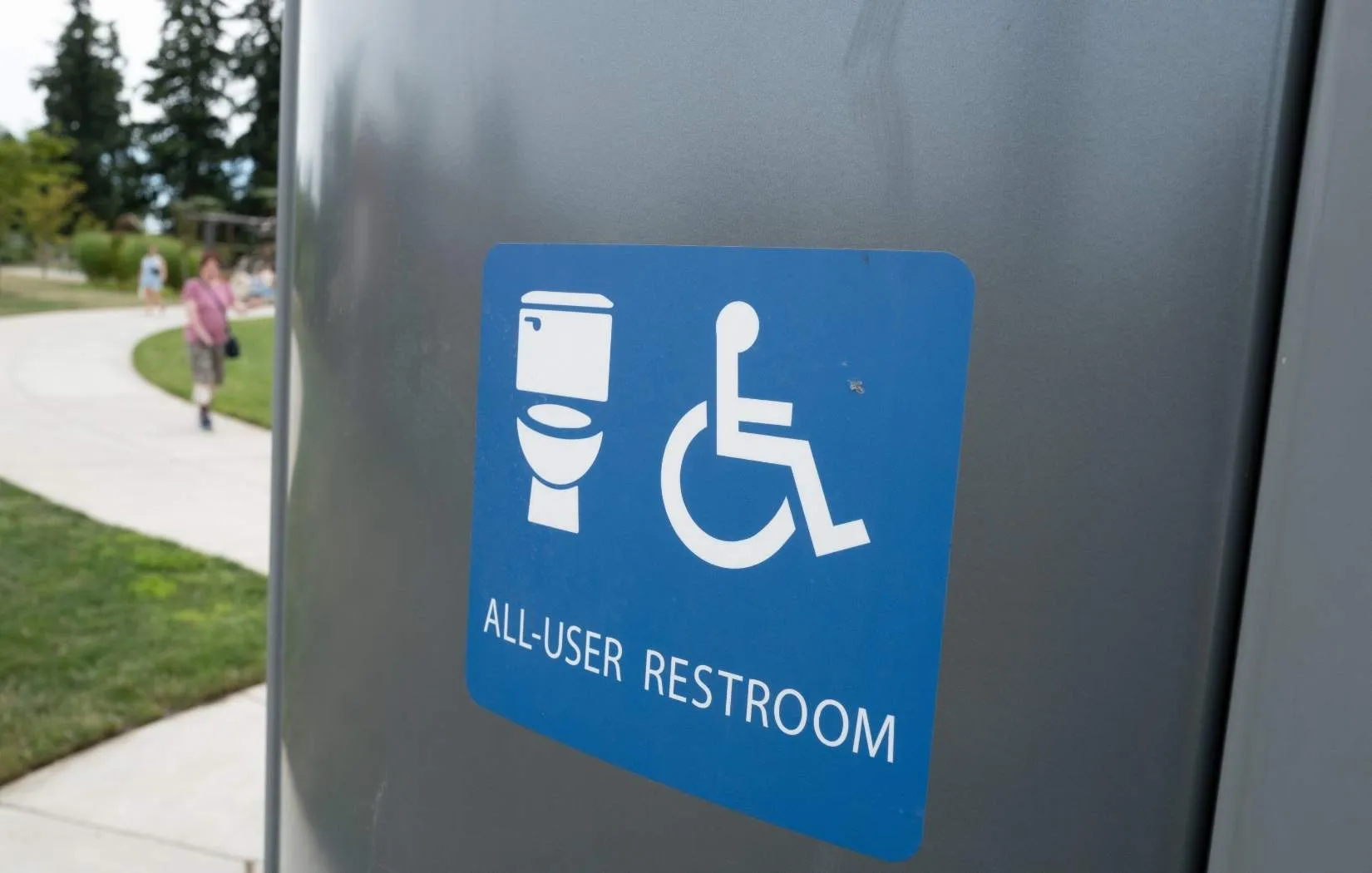
The Americans with Disabilities Act (ADA) establishes accessibility standards to ensure public restrooms can be safely and comfortably used by individuals with disabilities. These requirements apply to many businesses and public facilities and cover the overall design and layout of restroom spaces.
To make facilities easier to navigate for people who use wheelchairs or have other mobility or sensory impairments, the ADA sets standards for features such as accessible:
- Restroom stalls
- Toilets
- Sinks
- Doorways
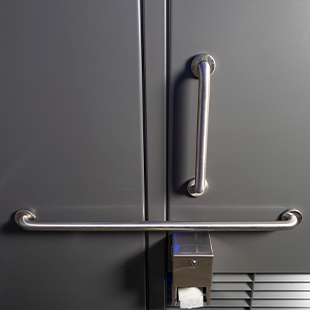
- Grab bars
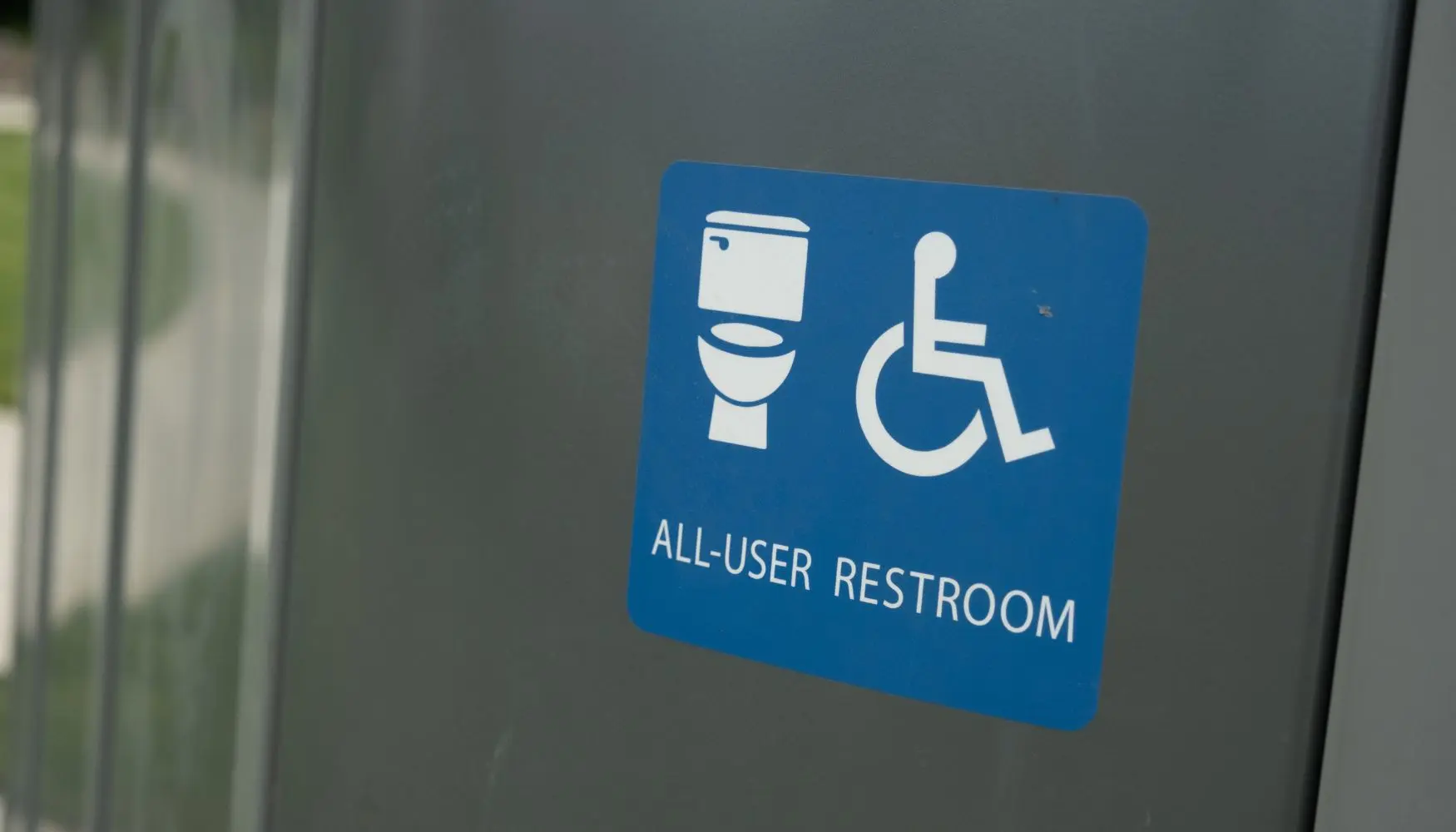
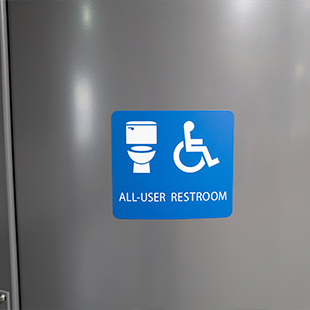
- Signage
Businesses must also provide adequate clear floor space and ensure restroom fixtures and accessories are accessible.
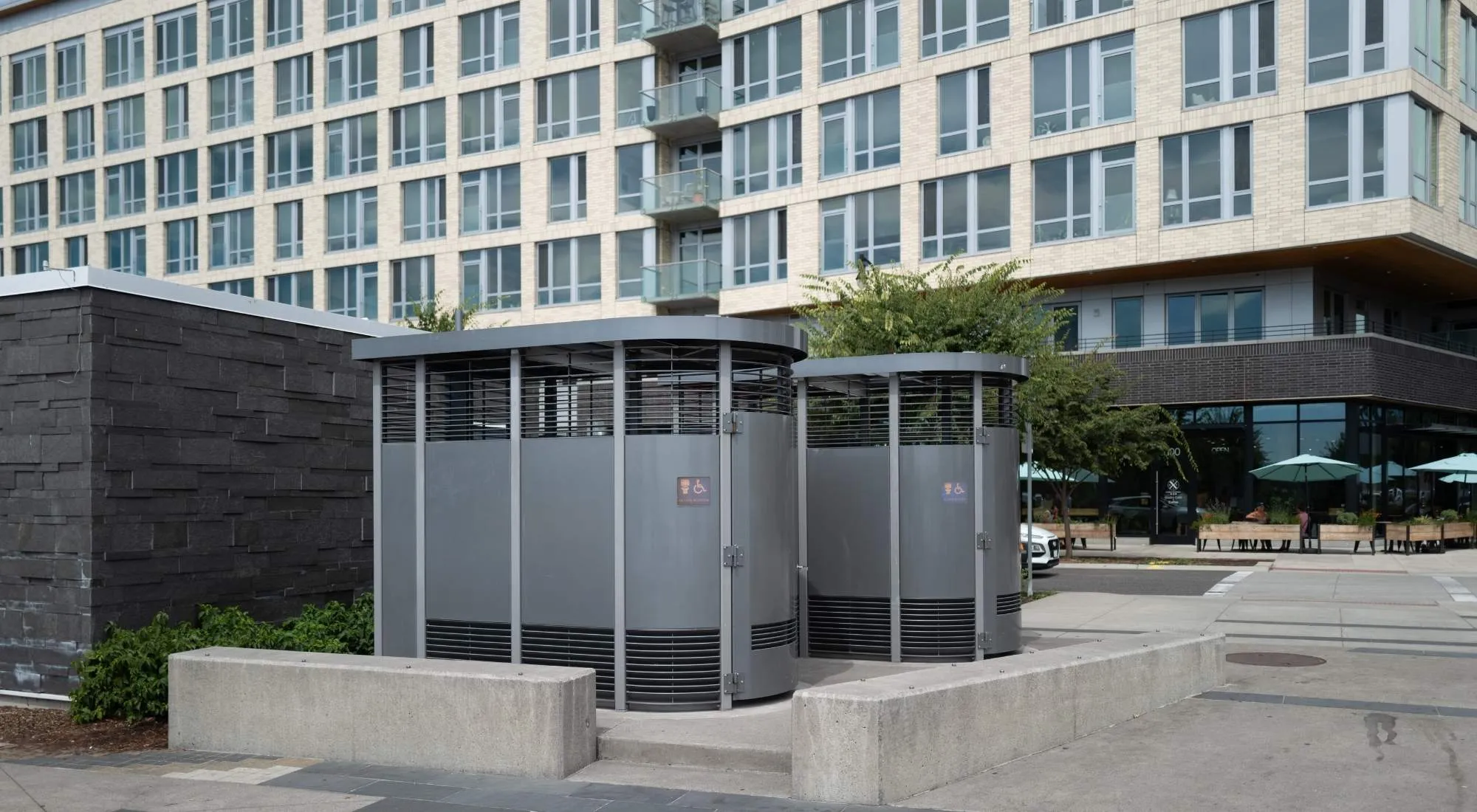
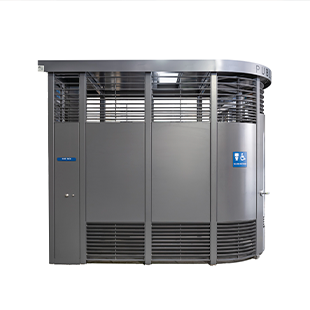
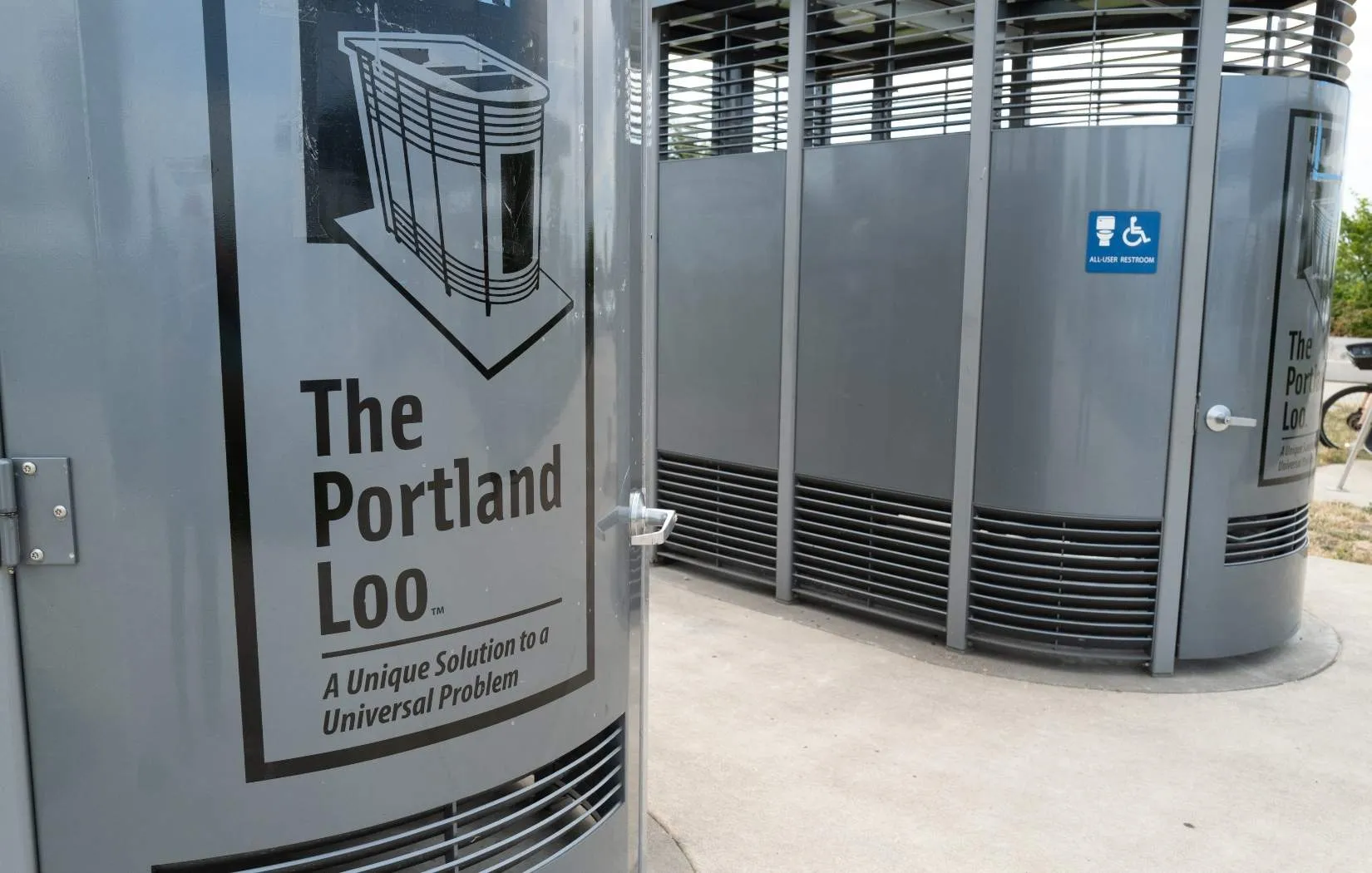
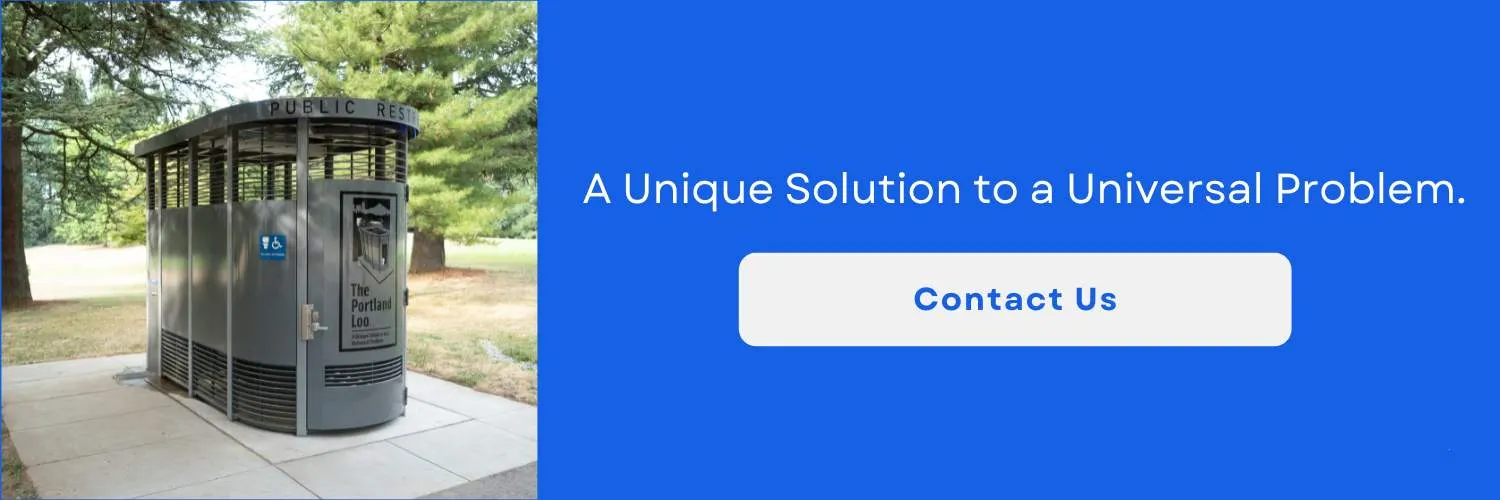
If your business needs a reliable public restroom solution, The Portland Loo is designed to meet the challenge. Built to comply with ADA accessibility requirements, this durable prefabricated restroom is designed specifically for public spaces. The Portland Loo provides a practical, low-maintenance solution that helps businesses and municipalities offer clean, safe, and accessible restroom facilities.
Factors That Determine if Businesses Are Required To Have a Public Restroom
In many cases, state regulations, local building codes, and the type of business determine whether customer restroom facilities are mandatory. Some of the most common factors include:
- Type of business: Restaurants, cafés, and other establishments that serve food are often required to provide restrooms for customers.
- Occupancy and seating capacity: Businesses with larger customer capacities or designated seating areas may be required to install a certain number of restroom fixtures.
- State and local plumbing codes: Many jurisdictions follow the International Plumbing Code (IPC) or Uniform Plumbing Code (UPC).
- Employee restroom requirements: OSHA mandates that businesses provide adequate and accessible restroom facilities for employees.
- Medical access laws: Some states have enacted the Restroom Access Act, requiring certain retail businesses with employee-only restrooms to allow access for customers with qualifying medical conditions.
Common Business Restroom Compliance Mistakes
Businesses often run into compliance problems by overlooking accessibility standards, local regulations, or maintenance requirements. Common mistakes include:
- Failing to check local requirements
- Ignoring ADA accessibility requirements
- Providing too few restroom facilities
- Restricting restroom access improperly
- Neglecting restroom maintenance
- Making changes without reviewing compliance standards
Understanding the applicable regulations before designing, remodeling, or managing restroom facilities can help businesses avoid costly corrections and provide safer, more accessible spaces for employees and visitors.
What Happens if a Business Does Not Comply With Public Restroom Requirements?
Depending on the type of violation and the regulations involved, not complying with requirements can result in financial penalties, legal issues, and disruptions to business operations. Potential consequences include:
- Failed inspections
- Fines and penalties
- Required corrective actions
- Delays in obtaining occupancy permits
- Legal liability
- Lawsuits related to accessibility violations
- Costly building modifications and repairs
- Legal fees and financial damages
- Loss of business permits or operating licenses
- Temporary business closures
- Daily code fines until violations are corrected
To avoid these penalties, you could just call on The Portland Loo to install a prefabricated restroom designed to meet all government regulations and avoid these common mistakes.
Frequently Asked Questions About Public Restroom Requirements for Businesses
Is It Illegal for a Business To Not Have a Public Restroom?
No, it is not generally illegal for a business to not have a public restroom. Federal law does not require most businesses to provide restroom facilities for customers, although businesses are required to provide sanitary restrooms for employees. Whether a customer restroom is required depends on factors such as the type of business, state and local regulations, building codes, and health department requirements.
Are Businesses Required To Have Gender-Neutral Restrooms?
No, businesses are generally not required by federal law to provide gender-neutral restrooms. However, some states and local governments have adopted laws requiring or encouraging all-gender restroom options in certain public buildings or businesses.
Are There Cleaning Requirements for Business Restrooms?
Yes. Businesses that provide restroom facilities are generally required to keep them clean, sanitary, and properly maintained.
Common restroom cleaning requirements include:
- Keeping restrooms clean and sanitary
- Maintaining proper ventilation
- Regularly cleaning and disinfecting fixtures and high-touch surfaces
- Keeping plumbing, fixtures, and equipment in good working condition
- Removing waste and preventing unsanitary conditions
- Ensuring restrooms remain safe and usable for employees and customers
- Providing adequate supplies, including soap, running water, and hand-drying options
Are Handwashing Facilities Required in Public Business Restrooms?
While specific requirements can vary by state and local regulations, health and safety standards typically require restrooms to include basic handwashing amenities to promote hygiene and prevent the spread of germs.
Common handwashing requirements include:
- Handwashing sinks or lavatories
- Running hot and cold (or tempered/lukewarm) water
- Soap or an approved cleansing agent
- Hand-drying options, such as paper towels or hand dryers
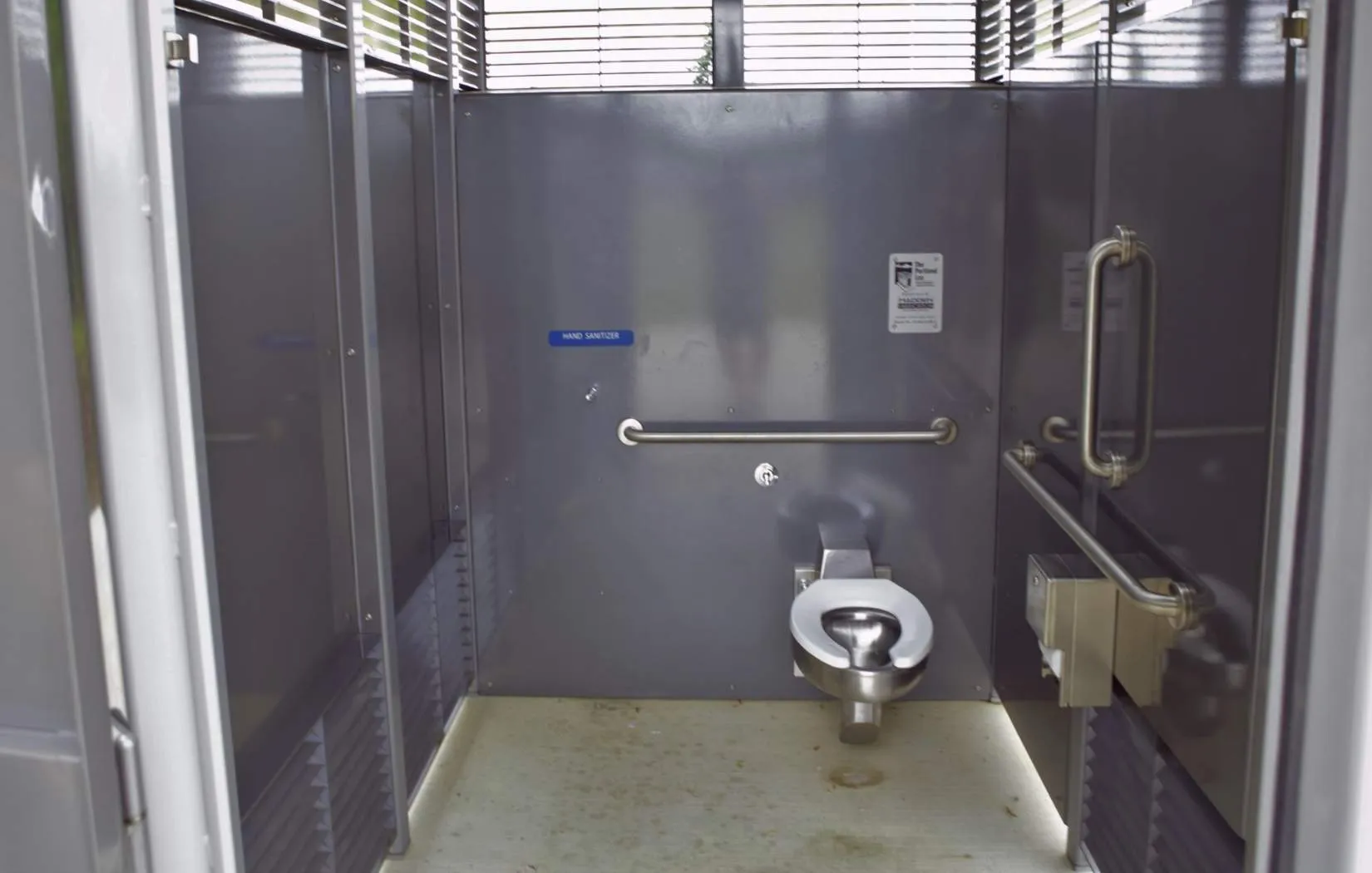
The Portland Loo: An Innovative Solution to Public Restrooms for Businesses
Meeting public restroom requirements doesn’t have to mean dealing with high-maintenance, easily damaged facilities. The Portland Loo is designed as a durable, accessible, and low-maintenance restroom solution that helps businesses and communities provide safer, cleaner public restroom access.
Built with ADA compliance, sanitation, security, and long-term durability in mind, The Portland Loo offers a practical alternative to traditional restroom structures.
Key features that help The Portland Loo meet public restroom needs include:
- ADA accessibility: Designed with accessibility in mind, The Portland Loo provides enough interior space for wheelchair users while also accommodating items such as bicycles and strollers.
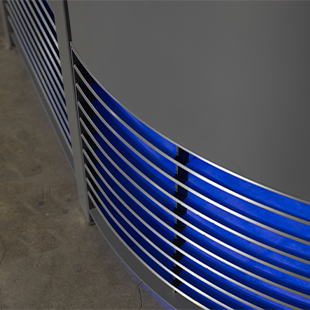
- Improved safety and security: The open-grating design provides visibility for security monitoring while maintaining user privacy, supporting crime prevention strategies.
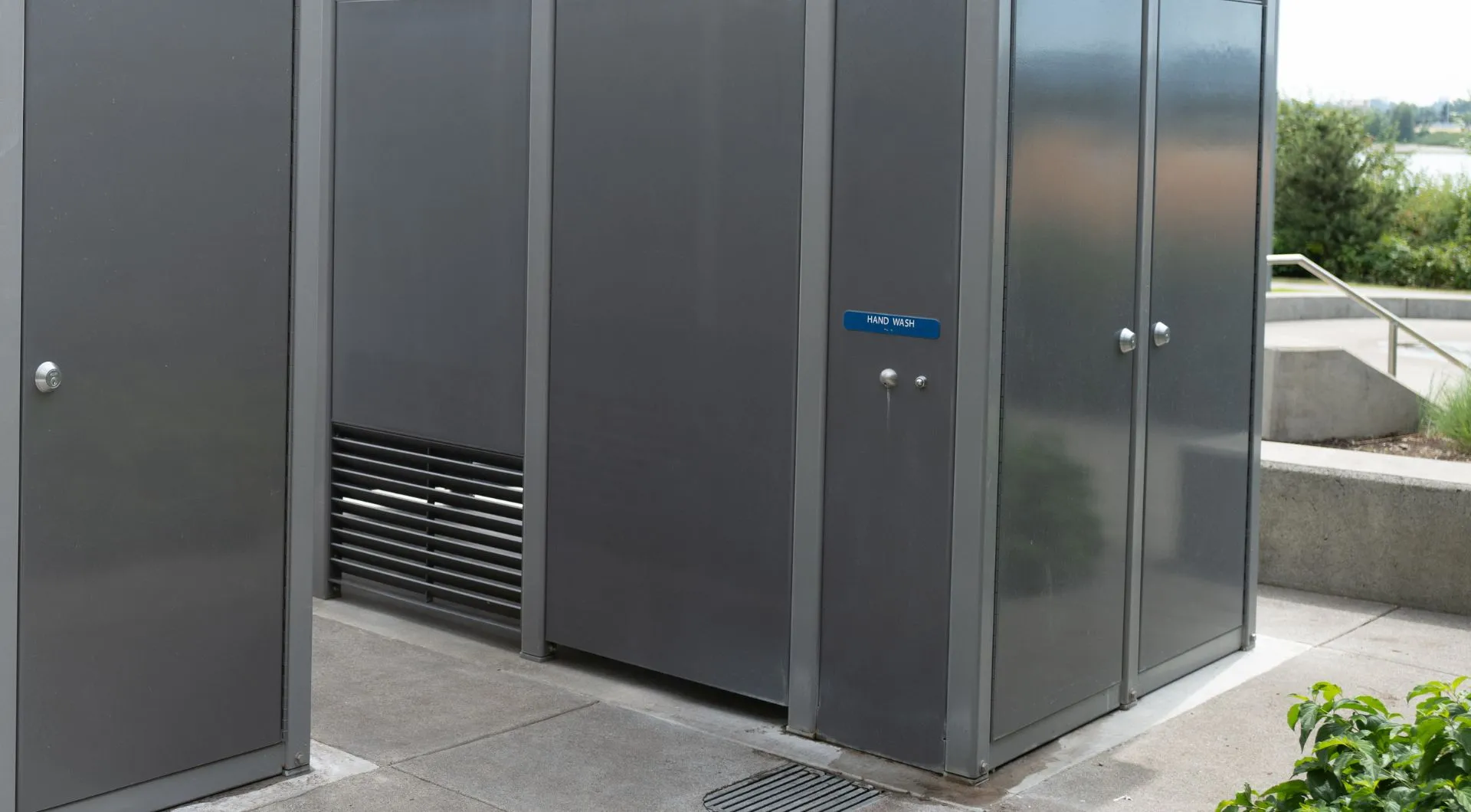
- Better hygiene and faster turnover: An exterior handwashing station allows users to wash their hands without lingering inside the restroom, helping improve cleanliness and reduce wait times.
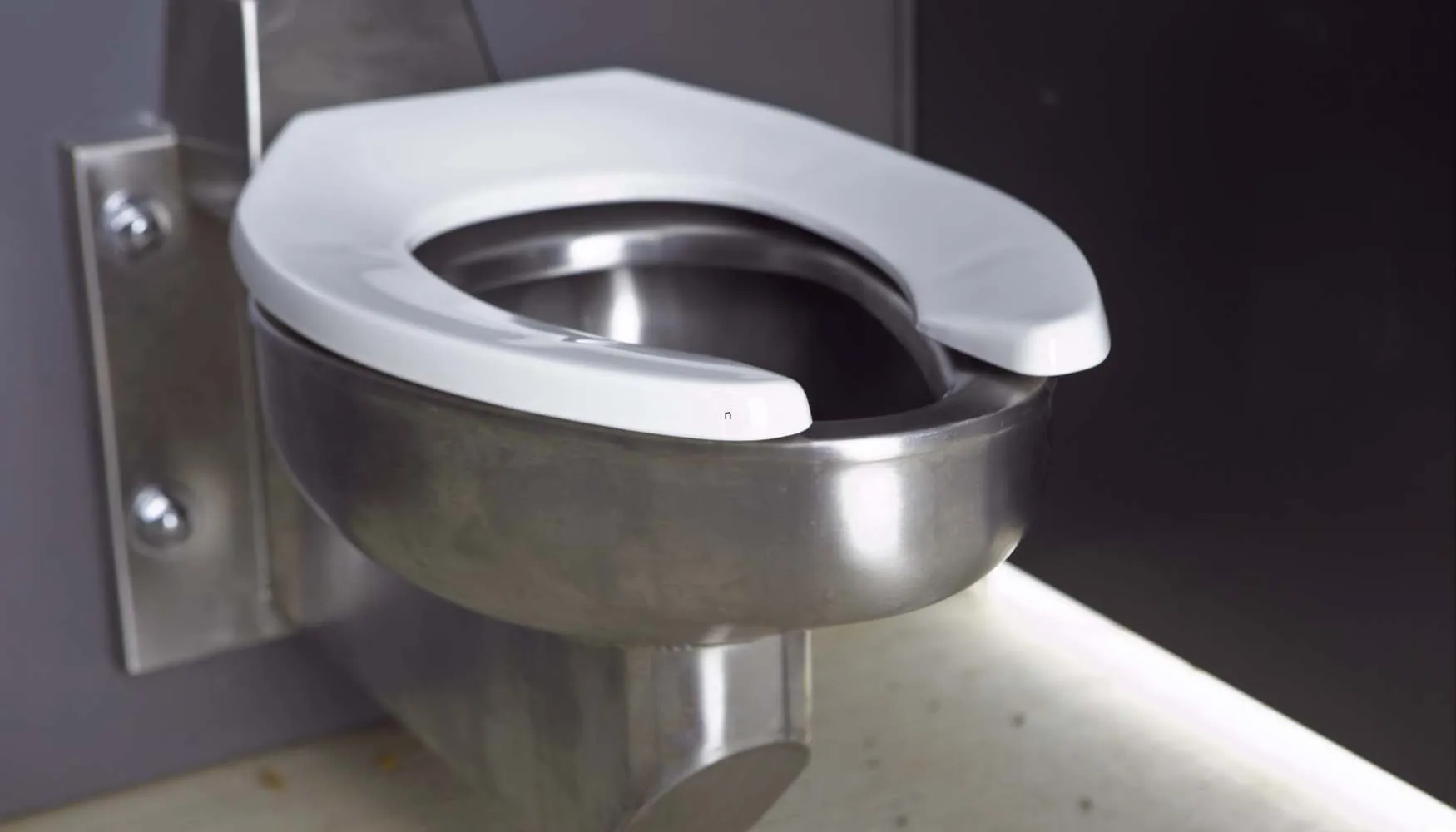
- Vandalism-resistant construction: Made from heavy-gauge stainless steel with graffiti-resistant finishes, The Portland Loo is built to withstand heavy use, weather, and intentional damage.
- Simplified maintenance: Modular components make repairs easier, while the self-contained maintenance cabinet keeps plumbing and cleaning supplies organized and accessible.
For businesses, municipalities, and public spaces looking for a restroom solution that balances compliance, durability, and ease of maintenance, The Portland Loo provides a reliable option built for real-world use.
Contact us today to learn how we can help provide a restroom solution for your business.