Using a public restroom shouldn’t feel like a gamble.
Whether someone is visiting a park, waiting for transit, or spending the day downtown, they hope for a restroom that’s clean, safe, and well-maintained. Cities want the same outcome, but creating it takes more than frequent cleaning. The design of the restroom itself plays a major role in how it’s used, how easy it is to service, and how well it discourages misuse.
This article explains what makes public restrooms safer and the design features that help communities keep these essential facilities welcoming for everyone.
Table of Contents
- Are Public Restrooms Safe To Use?
- 6 Tips To Make Public Restrooms Safer
- Frequently Asked Questions About Public Restroom Safety
- Build Safer Public Restrooms With The Portland Loo®
Are Public Restrooms Safe To Use?
Yes. Public restrooms can be safe when they’re thoughtfully designed, properly cared for, and built to support the needs of the communities they serve.
Routine cleaning is only one part of creating a safe public restroom. The overall experience also depends on factors such as:
- Where the restroom is located
- Visibility from surrounding public spaces
- Bright, reliable lighting
- Durable, vandal-resistant construction materials
- An accessible, easy-to-use layout
- Convenient handwashing facilities
- Features that discourage inappropriate use
- Designs that make repairs and maintenance quick and straightforward
When municipalities and property managers consider these factors together, public restrooms become more inviting, easier to clean, and better equipped to serve residents and visitors for years to come.
6 Tips To Make Public Restrooms Safer
Safe public restrooms are the result of thoughtful planning long before the first visitor walks through the door.
Whether you’re managing a city park, downtown district, transit hub, campground, or public plaza, the same principles apply. The following recommendations can help create restrooms that feel accessible, stay presentable, and require less maintenance over time. Many of these features are built into purpose-designed prefabricated restrooms like The Portland Loo®, making them easier to incorporate from day one.
#1: Choose a Visible and Convenient Location
Restrooms that are tucked into a secluded corner or hidden behind a building can create unnecessary safety concerns.
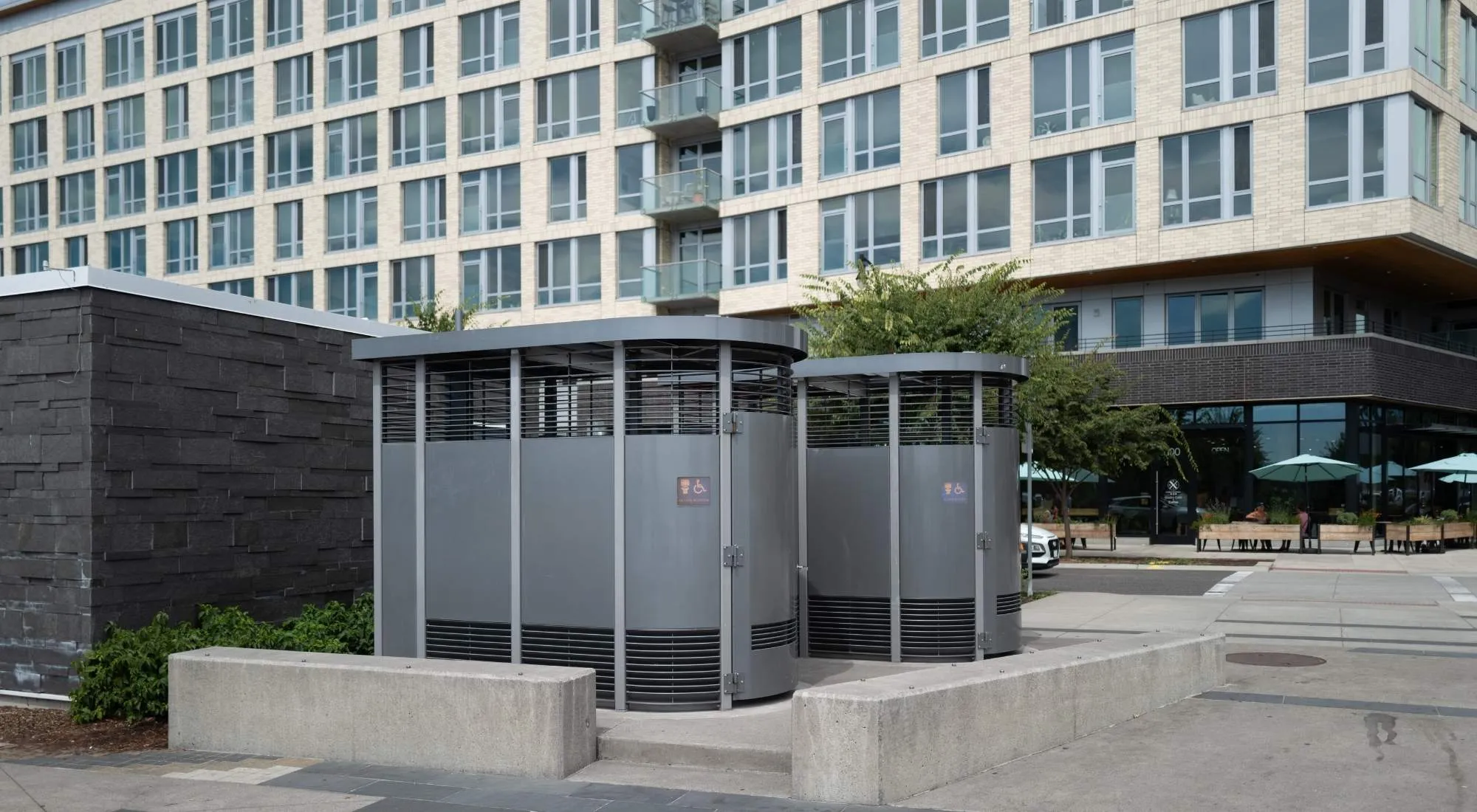
Choose a location that’s easy for visitors to access while remaining visible to park staff, security personnel, nearby businesses, or regular pedestrian traffic.
Natural activity around the restroom helps discourage vandalism and makes people feel more comfortable using the facility.
When evaluating a site, look for:
- Clear paths leading to the entrance
- Good sightlines from nearby walkways
- Adequate lighting after dark
- Visibility without sacrificing user privacy
A well-placed restroom often experiences fewer problems than one that’s isolated from the spaces people already use.
#2: Balance User Privacy With Exterior Visibility
While everyone expects a level of privacy in a public restroom, the exterior doesn’t need to include spaces where activity is completely hidden from view.
Good restroom design allows people to enter and exit comfortably while providing maintenance staff and passersby with sufficient visibility to notice anything out of the ordinary. Clear sightlines near entrances and carefully designed openings can help discourage unwanted activity without compromising the privacy of the person inside.
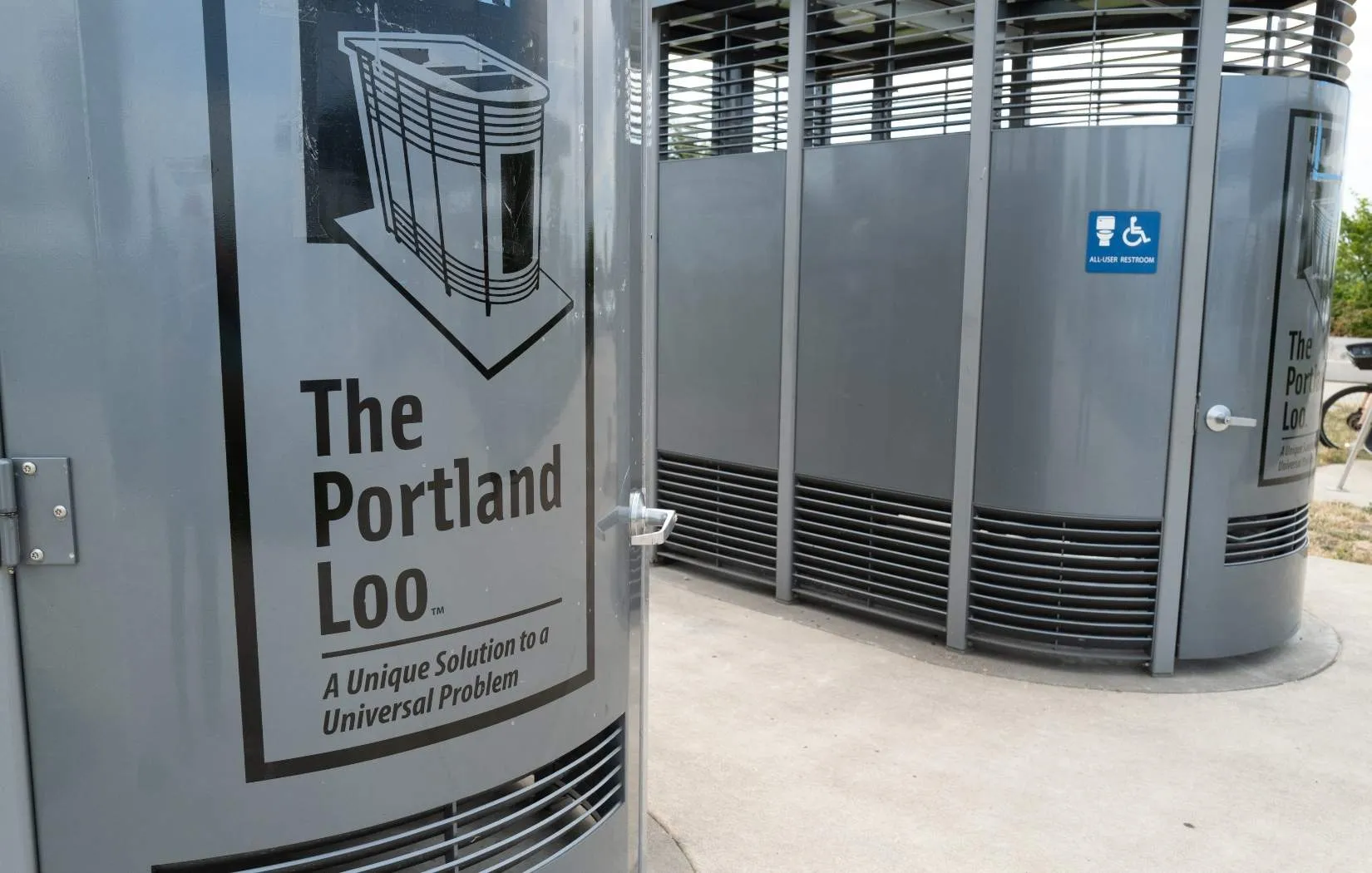
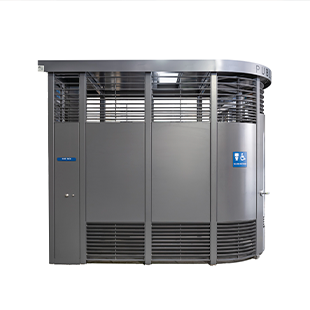
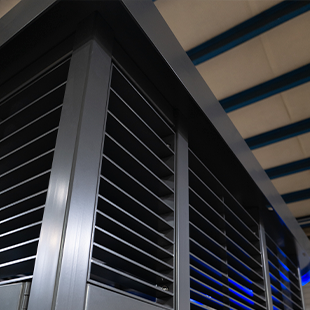
The Portland Loo® achieves this balance. Its patented design provides privacy where it matters while reducing opportunities for crime, vandalism, and inappropriate long-term occupancy that can be more common in traditional restroom buildings.
#3: Use Durable, Easy-To-Clean Materials
Public restrooms see hundreds, sometimes thousands, of visitors every week. Materials that work well inside an office building often don’t hold up in a busy park or transit station.
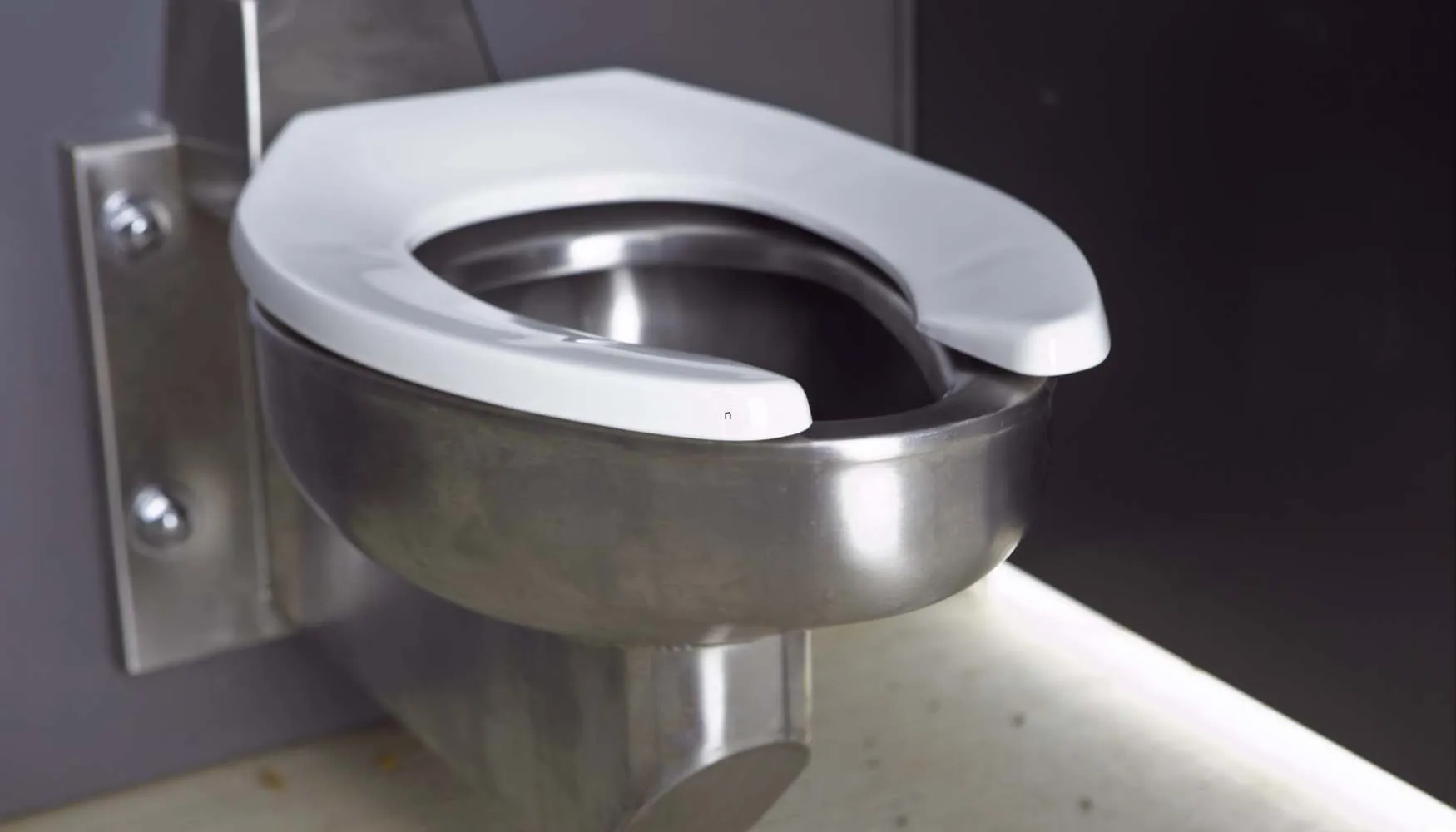
Coated stainless steel, corrosion-resistant fixtures, and smooth, nonporous surfaces make it easier to remove dirt, graffiti, and everyday wear before they become permanent problems. They also withstand frequent cleaning without breaking down.
#4: Make Handwashing Convenient and Accessible
A restroom visit doesn’t end well without easy access to handwashing.
Every public restroom should provide reliable water, soap, and fixtures that are easy for people of varying ages and abilities to use.
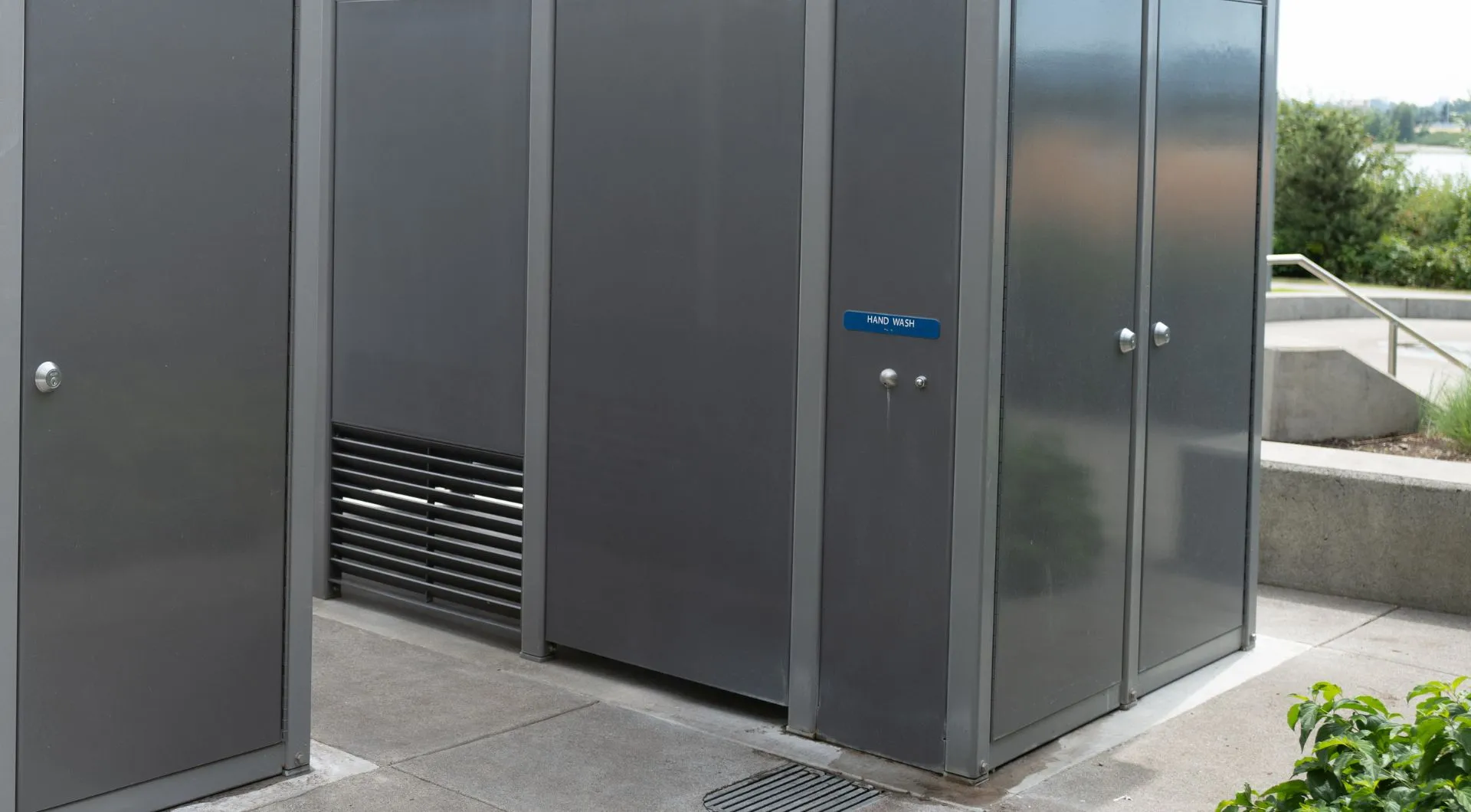
The Portland Loo® places its handwashing station on the exterior of the unit. This strategic design offers several benefits:
- Visitors can wash their hands without re-entering the restroom.
- Maintenance staff can service the sink without closing the restroom.
- People aren’t waiting inside while someone finishes washing up.
Small design decisions like this support public health and the overall flow of visitors.
#5: Simplify Cleaning, Inspections, and Repairs
The easier a restroom is to service, the more likely it is to stay tidy and secure.
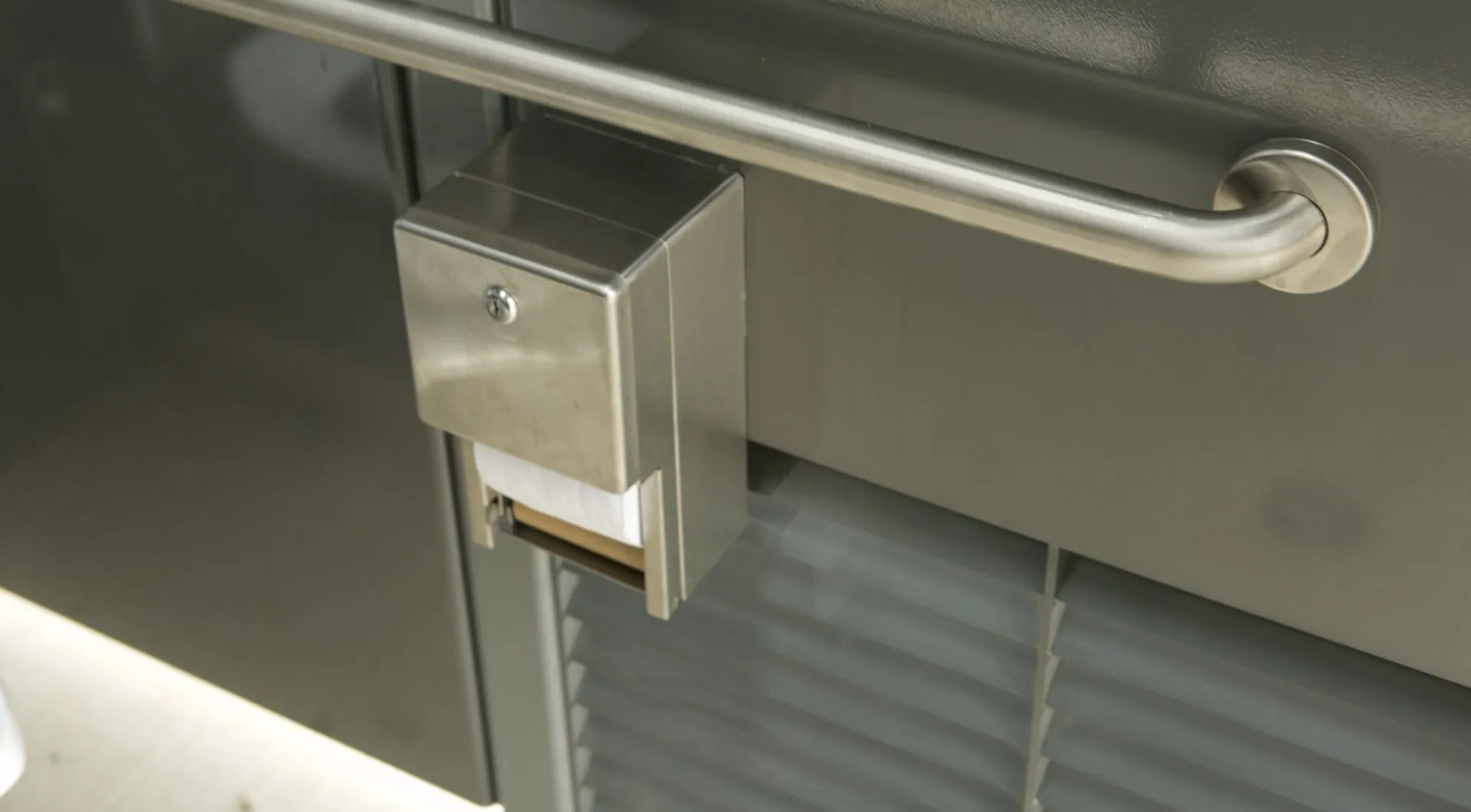
Maintenance crews shouldn’t have to disassemble walls or search for specialty parts to fix everyday issues. Simple interiors, durable finishes, accessible plumbing, and readily available replacement components help reduce downtime and keep facilities open.
Prefabricated restroom systems like The Portland Loo® are built with maintenance in mind, making routine cleaning, inspections, and repairs faster than many traditional restroom buildings.
#6: Select a Design That Discourages Vandalism and Misuse
Good design influences how a space is used.
Features that eliminate unnecessary hiding places, resist graffiti, and reduce opportunities to damage fixtures can help discourage misuse before it starts. Even details like smooth exterior surfaces, durable finishes, and layouts that prevent extended occupancy contribute to a restroom that’s easier to manage.
Frequently Asked Questions About Public Restroom Safety
What Are the Risks of Public Toilets?
Public toilets can present risks such as:
- Slippery floors
- Contaminated high-touch surfaces
- Vandalized fixtures
- Poor lighting
- Limited accessibility
- Spaces that encourage inappropriate use
Regular upkeep and well-planned facilities help reduce these challenges.
Many of these issues develop over time rather than appearing overnight. A leaking sink creates a slipping hazard. Graffiti that isn’t removed promptly can invite more vandalism. Burned-out lights can make an otherwise safe restroom feel uncomfortable to enter.
For municipalities and property managers, staying ahead of routine inspections and repairs is often more effective than responding after problems have developed.
What Is the Germiest Part of a Public Restroom?
High-touch fixtures like door handles, locks, faucet controls, and flush mechanisms often carry the most germs because nearly every visitor uses them. Floors also collect dirt, moisture, and debris tracked in from outside.
Rather than focusing on one “dirtiest” spot, the goal should be reducing opportunities for germs to spread. Restrooms with accessible handwashing stations, durable washable surfaces, and layouts that allow custodial teams to quickly sanitize common touchpoints make that job much easier.
How Can You Stay Safe in a Public Restroom?
A few simple habits can make using a public restroom even safer:
- Wash your hands with soap and water before leaving.
- Avoid placing bags, backpacks, or jackets on the floor.
- Watch for wet areas that could be slippery.
- Skip any stall or fixture that appears damaged or out of service.
- Report overflowing trash, broken fixtures, or other maintenance concerns when possible.
Most public restroom visits last only a few minutes. Good hygiene and basic awareness are usually all that’s needed.
Build Safer Public Restrooms With The Portland Loo®
Choosing the right public restroom facility can influence operating costs, maintenance schedules, visitor satisfaction, and the overall appearance of a public space for years.
That’s why more than 250 communities have selected The Portland Loo®.
Unlike traditional restroom buildings that often require lengthy construction schedules and seven-figure budgets, The Portland Loo® arrives prefabricated and ready for installation. Its compact footprint fits parks, streetscapes, trailheads, and transit stops where space is limited, while its industrial stainless steel construction is built for daily public use.
Communities can also tailor each Loo to match its surroundings with custom powder coating or exterior wraps. Some cities have even given them local identities, such as Philadelphia’s “Philly Phlush.”
Whether you’re replacing an aging restroom or adding facilities to a growing public space, The Portland Loo® offers a practical, cost-effective solution that’s designed with both visitors and maintenance teams in mind.
Ready to get started? Build your Portland Loo® online or contact the team to discuss your project.