When you’re using the restroom at home, you don’t have to worry about being considerate of strangers. That’s not the case when making a pit stop at a public restroom. In these cases, you have hundreds if not thousands of other people to keep in mind. These public facilities are shared spaces that can be positively (or negatively) impacted by a single user. We all have a civic duty to follow some simple yet impactful rules of etiquette when using a public restroom.
Keep things clean.
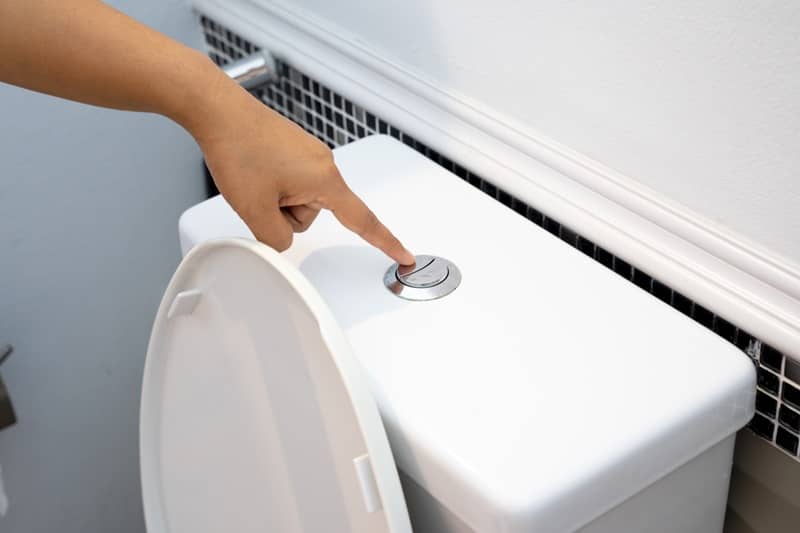
Everyone should be leaving restrooms in the same shape as they found them. While it’s not your responsibility to clean up a mess you didn’t make, that doesn’t mean you can leave one of your own. At a minimum, that means flushing the toilet after you use it (duh!), picking up stray pieces of toilet paper, and wiping up water splashes from washing your hands. If everyone does their part, maintaining a public restroom becomes a cinch for cities.
Respect the privacy of others.
No matter how badly you need to use the restroom, you should always respect the privacy of users ahead of you. Crowding the restroom to make your presence known isn’t going to speed along the process. Have you ever tried to “go” in front of someone? It’s impossible! You can stand close enough to hold your spot in line but resist the urge to hurry along the occupant. Everyone deserves that quiet moment of solitude, and you’ll be happy to have yours.
Use supplies and utilities responsibly.
Cities spend significant amounts of taxpayer dollars keeping public restrooms fully stocked and equipped. Whether you’re using physical products like paper towels and toilet paper or utilities such as water and electricity, make an effort to use these public expenses sparingly. Using only what you need saves valuable resources and ensures fellow users have what they need too. Cities can support these efforts by investing in restrooms that improve sustainability.
Alert authorities when issues arise.
Too often, people turn a blind eye when there’s something amiss with a public restroom, assuming someone else will take care of it. This collective shoulder shrug is one of the reasons so many restrooms fall victim to damage, vandalism, and improper use. Whether you witness unlawful activity or simply a big mess, calling the relevant authorities can help keep the facility open for everyone.
Dispose of sanitary products properly.
The proper disposal of sanitary products keeps restrooms functional and hygienic. Tampons, pads, wet wipes, tissues, diapers, and other non-flushable products need to be thrown away in a proper receptacle. Using a restroom without a trashcan? Try your best to find one nearby if possible. Contact the people in charge of maintaining the restroom immediately following to notify them of the oversight.
Be mindful of your children.
Modern public restrooms are often designed to be inviting to families, but that accommodation comes with responsibilities. If you’re using a facility with children, help them follow the rules and keep them under control. You’d be surprised how many public restrooms are hanging on by a thread. This will ensure a smoother experience for you while contributing to a pleasant and intact environment for all restroom users.
Respect gender designations.
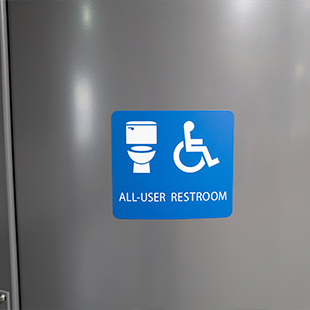
Another important part of public restroom etiquette is respecting gender-specific facilities. By using the restroom that aligns with your gender identity, you help maintain a comfortable and safe environment for everyone. Yes, that means even when the “other” restroom is vacant! Fortunately, gender-neutral public restrooms are on the rise which eliminates this calculation for users and increases accessibility for everyone.
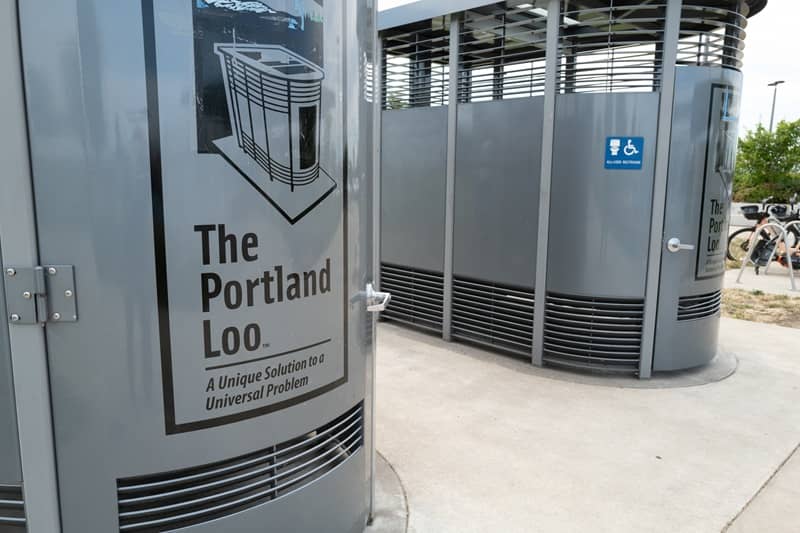
The Portland Loo is redefining the public restroom by improving the user experience while making it cheaper and easier for cities to maintain. If you’re interested in bringing a Loo to your city, check out these tips.