
The development of toilet designs and bathroom architecture throughout history isn’t merely a story of sanitation and hygiene. It’s a reflection of evolving cultural values, societal norms, and technological innovations. From ancient communal latrines to modern public restrooms, the evolution of toilet designs offers a unique perspective of the ever-changing tides of human civilization. Let’s explore some of the most prominent periods of toilet advancement and what it says about the cultures behind them.
Hygienic Egyptian Facilities
Several thousand years before germ theory, ancient Egyptians were already incorporating several hygienic practices into their bathroom routine. Instead of being motivated by a traditional idea of cleanliness, this hyper-religious culture was driven by a moral sense of purity. It was common for ancient Egyptians to bathe several times throughout the day. Plus, this advanced civilization used natural cleansing agents such as natron for further “purification”. The design of ancient Egyptian toilets was fairly advanced for the period, commonly featuring a hole cut in a stone surface supported by a simple wooden stool or a brick base, reflecting both the practicality and resourcefulness of this ancient society.
Communal Roman Toilets
Privacy was a foreign concept in the bathrooms of ancient Rome. It wasn’t for a lack of space or building materials, either. Instead, bathrooms were used as communal spaces where people openly conversed. Public latrines were organized in a square shape where dozens of occupants would face each other with no barriers. The toga permitted users to maintain a certain level of privacy, but there’s no doubt restrooms were considered a social space. The open design of these toilets indicates a society with fewer taboos around “going”, a collective spirit, and a strong emphasis on social interaction as a part of daily life.
Divided Victorian-Era Facilities
Throughout history, there’s been a correlation between an individual’s social status and their access to facilities, especially toilets. This phenomenon became particularly pronounced during the Victorian Era. The combination of increasing social stratification and an influx of innovations such as the flush toilet resulted in a significant disparity in bathroom quality. While the wealthy and growing middle class enjoyed relatively hygienic and private restrooms, the lower classes were relegated to overcrowded and unsanitary conditions.
Further Reading: A Historical Timeline of the Toilet
High-Tech Japanese Washlets
Japan’s knack for technological innovation is the envy of the world. It’s also the push behind some of the most advanced toilets in history. These state-of-the-art loos are the Swiss army knives of the bathroom boasting an arsenal of features such as heated seats, built-in bidets, deodorizers, self-cleaning functions, lights, and even music. The development and adoption of these toilets represent the exponential rise in technological advancements and high regard for personal hygiene. This trend also underscores Japan’s commitment to addressing environmental concerns, as many of these features aim to reduce water and paper usage.
New Public Loo
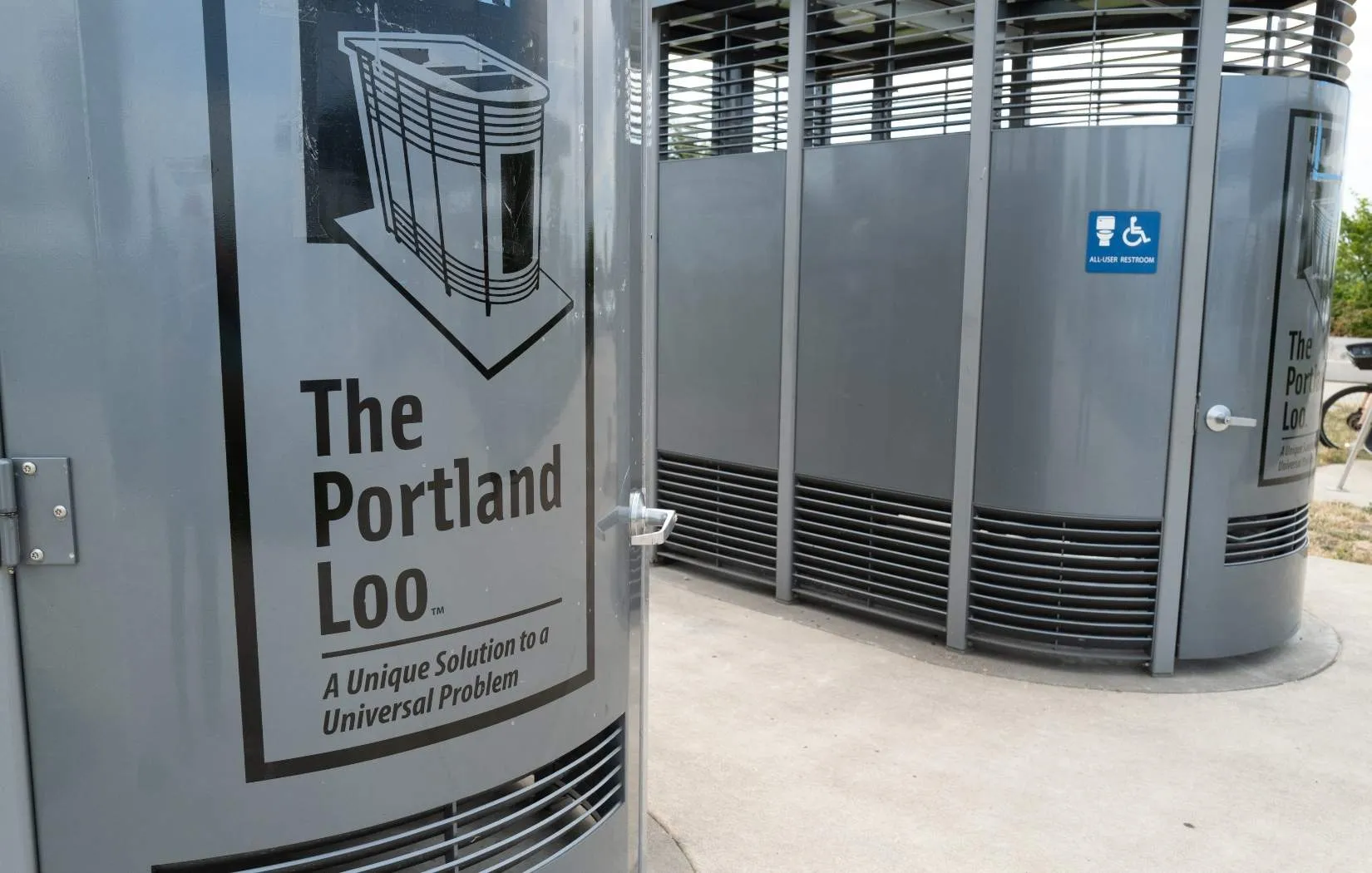
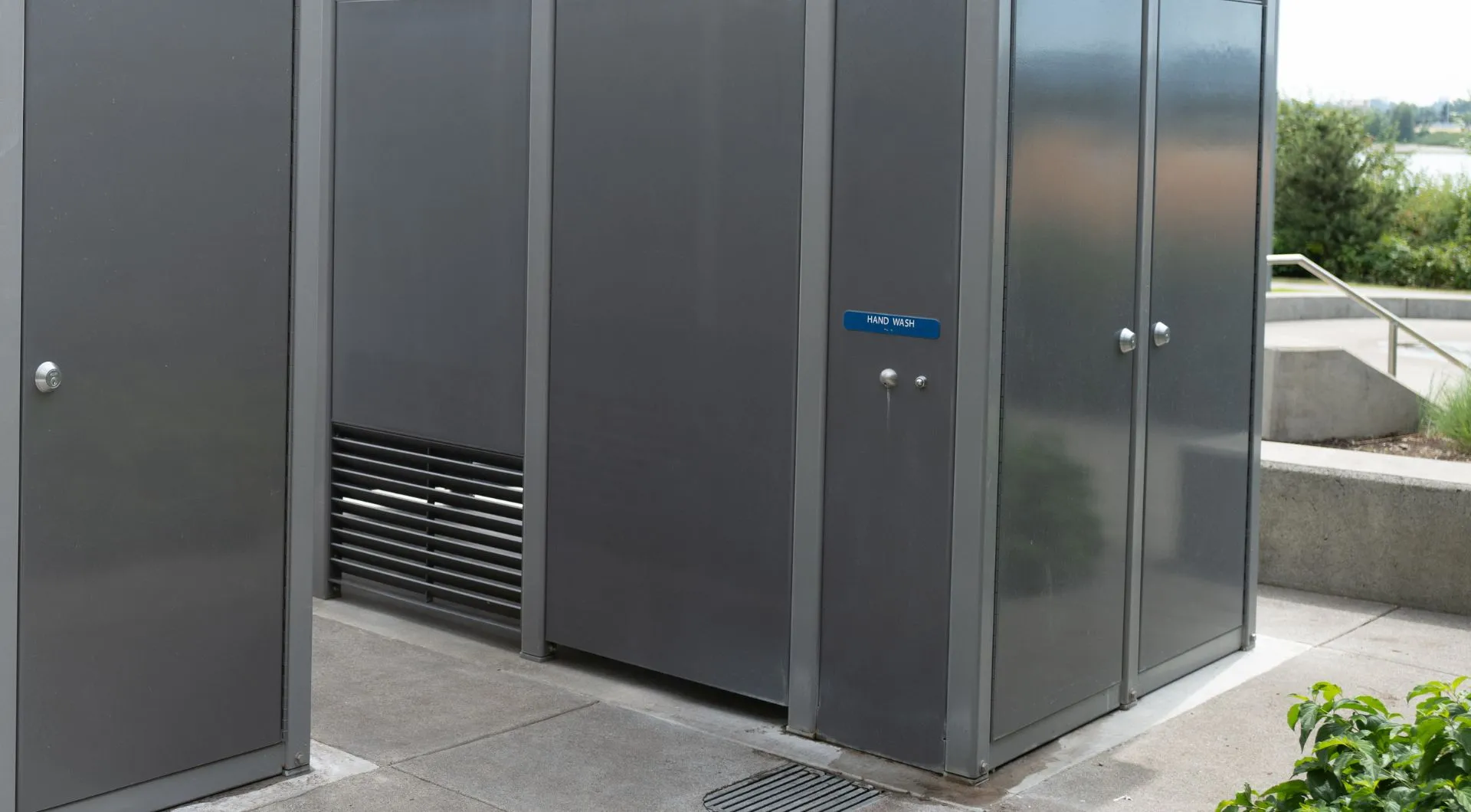
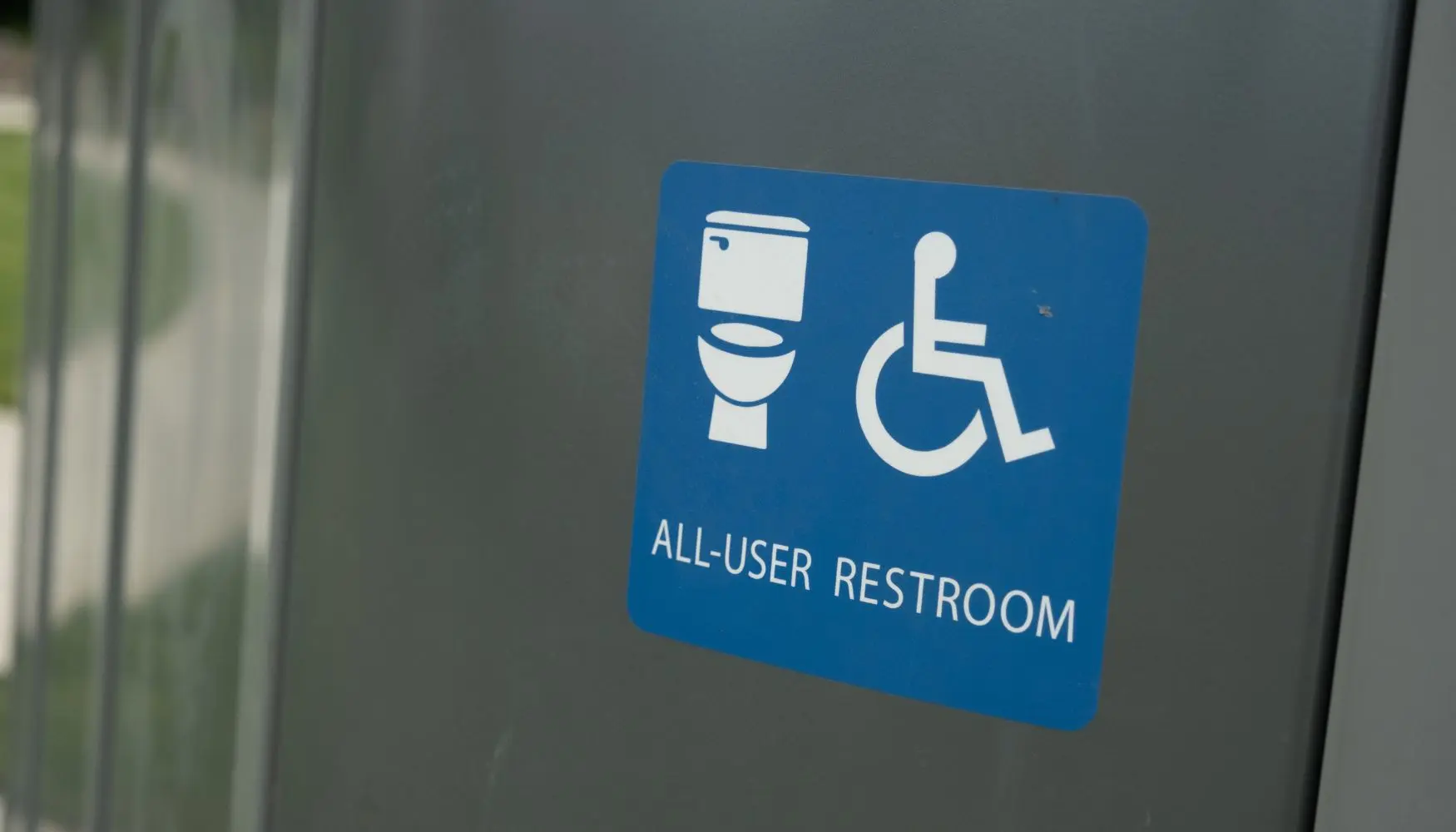
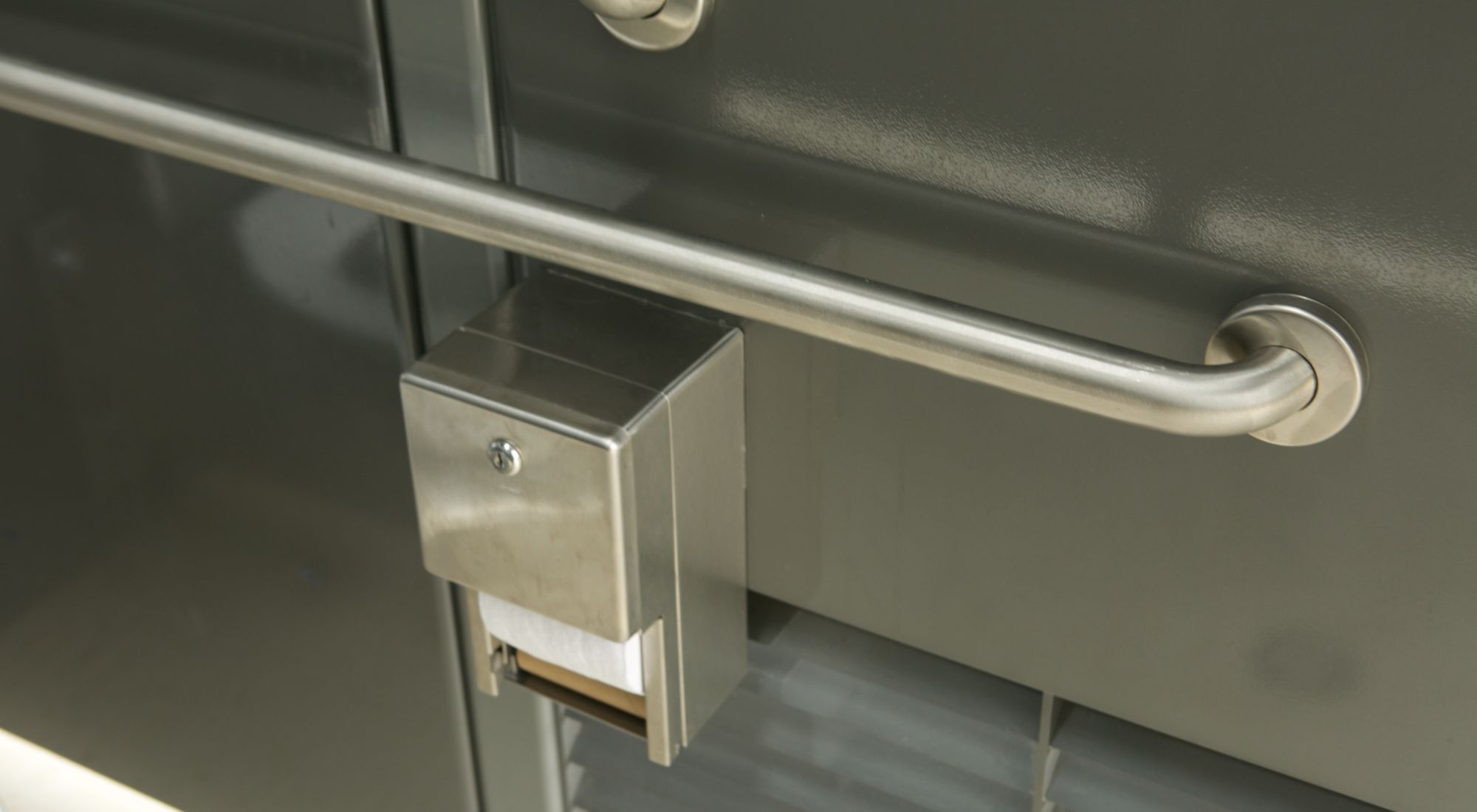
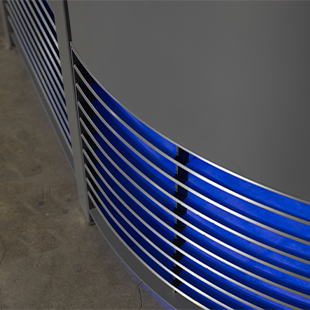
The newest incarnation of the primordial toilet is the Portland Loo. This one-of-a-kind facility flips the standard concept of a public restroom on its head with a focus on meeting the city’s needs, rather than the users. This prioritizes lower costs, easier maintenance, and a longer lifespan over the comfort of individual users. In the end, the Portland Loo solves the age-old problem of providing the universal human right of restroom access while keeping the facility cost-effective, safe, and open to the public. This state-of-the-art restroom design reflects the growing cultural and social shift toward universal accessibility, sustainability, community welfare, and responsible government spending.
The Portland Loo is redefining the public restroom through an innovative design. What started as a city-centered project has exploded into an international phenomenon that’s spread to over 20 cities in three different countries. If you’re interested in bringing a Loo to your city, check out these tips. Feel free to contact us for more information. We look forward to hearing from you!