Imagine installing a fully functioning restroom that eliminates the headache of extensive permits, costly contractors, and unpredictable weather delays.
Sounds too good to be true?
It’s not.
Prefabricated restrooms are transforming the way that developers, municipalities, and contractors approach restroom construction.
In this guide, we will break down what prefabricated restrooms include, what sets them apart from traditional restrooms, and answer the most common questions you may have before making the switch.
Let’s get into it.
Table of Contents
- What Is a Prefabricated Restroom?
- Prefabricated vs. Traditional Restrooms: 8 Reasons Prefab Is the Better Choice
- Things To Consider Before Choosing a Prefabricated Restroom
- Prefabricated Restrooms: FAQs Answered
- The Portland Loo: Constructing Safe, Durable, and Clean Prefabricated Restrooms for Public Use
What Is a Prefabricated Restroom?
You may have heard of portable restrooms, but what is a prefabricated restroom?
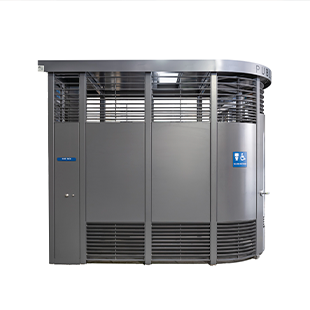
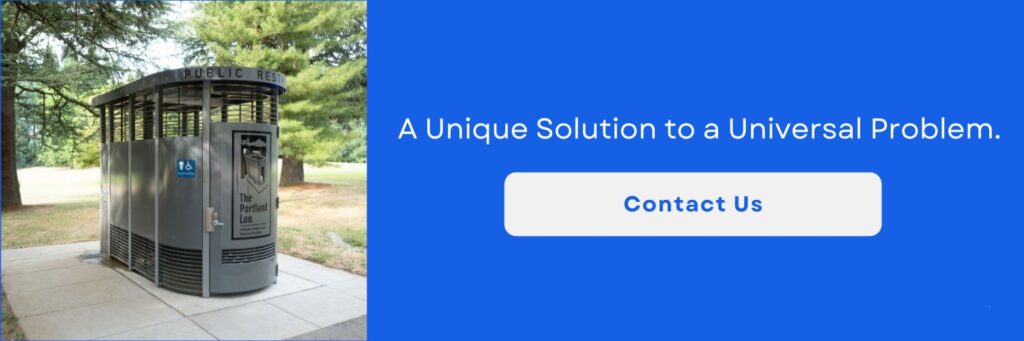
Prefabricated restrooms, also known as a prefab restroom or modular restrooms, are bathroom facilities manufactured off-site in a factory and then transported and installed at the final destination. This is different from restrooms that are built on-site from scratch.
Most public locations should have access to a restroom, but some don’t due to cost, maintenance, or space constraints. Not having public restrooms is a sanitation and safety issue, but prefabricated bathrooms can solve these problems in locations that are harder to build on.
Such locations include:
- Parks
- Campgrounds
- Highway rest stops
- Sports facilities
- Schools
- Construction sites
- Beaches
- Commercial properties
- And more
Here are the key structural differences between prefabricated and traditional restrooms.
- Walls: Typically constructed with heavy-duty materials that are chosen for resistance, durability, and low maintenance. They are also meant to be self-supporting so that they can be placed in any location.
- Plumbing: Installed and tested at the factory. Plumbing components are preinstalled and only need to be connected upon arrival at their destination. This helps eliminate on-site labor costs and inspection delays.
- Electrical wiring: Conduit, lighting fixtures, ventilation fans, and electrical panels are installed and tested in the factory before being shipped. Additionally, some portable restrooms include solar panels or battery backups for remote locations, making them a great option for parks or trails.
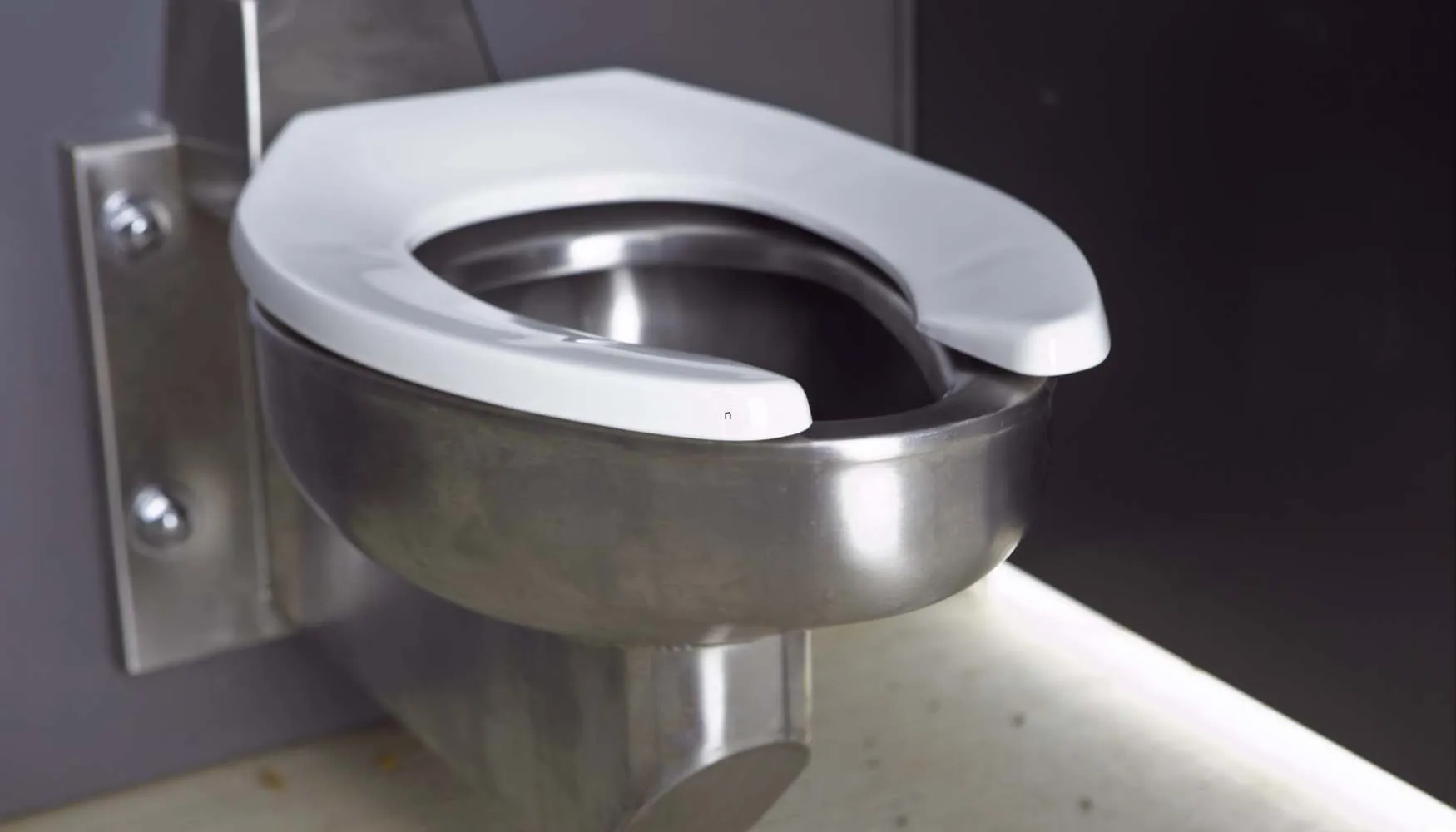
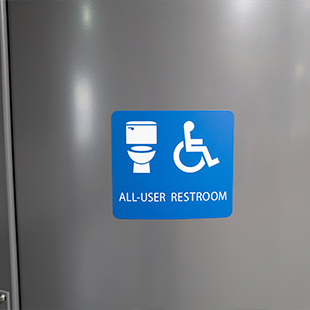
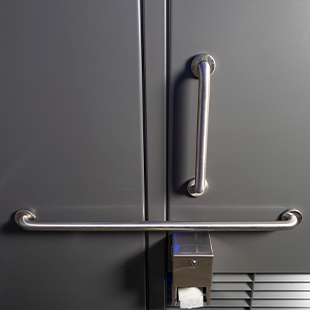
- Pre-installed fixtures: Toilets, sinks, hand dryers or paper towel dispensers, mirrors, grab bars, and partitions are installed at the factory. ADA-compliant layouts, baby-changing stations, and hands-free fixtures are extras that can also be installed during the manufacturing process.
The Portland Loo is here to walk you through the entire prefabricated restroom process. We can discuss your locations and customizations and answer any questions you have. We also have an online “Build a Loo” feature that lets you easily see customization options and build the restroom you need.
How Are Prefabricated Restrooms Built?
The entire restroom unit, including the walls, plumbing, electrical, fixtures, and finishes, is assembled in a factory. Once completed, the unit will be shipped and installed at the site. Installation typically uses existing utility lines, including water, sewer, and electricity.
Types of Prefabricated Restrooms
Prefabricated restrooms range widely from basic, single-use portable units to multi-stall facilities. Each restroom can have amenities such as:
- Running water
- Baby changing stations
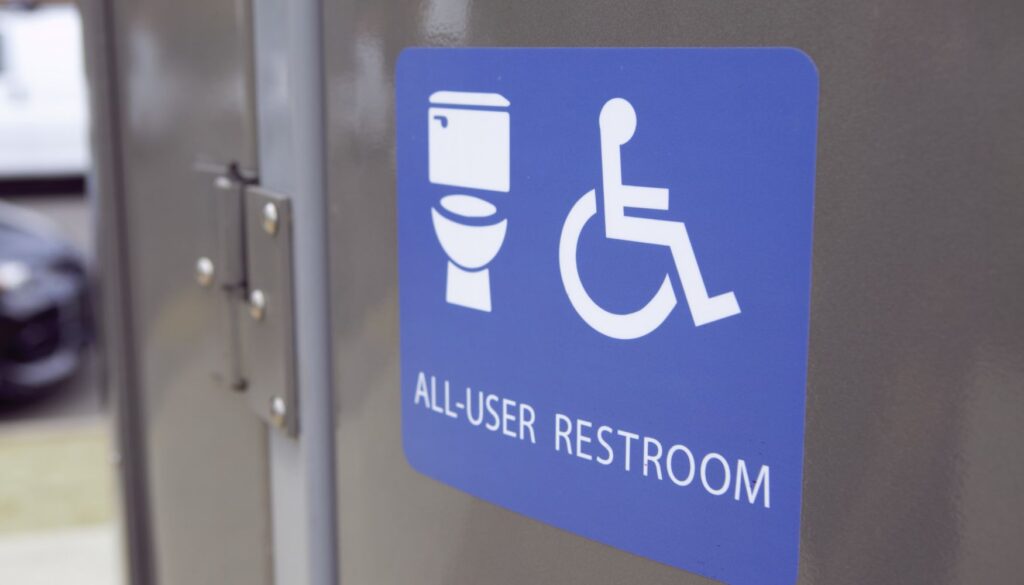
- ADA-compliant stalls and layouts
- And more
Prefabricated vs. Traditional Restrooms: 8 Reasons Prefab Is the Better Choice
#1: Construction Time
When it comes to construction time, most clients prefer the simplest and fastest method possible.
Prefabricated restrooms are built off-site and installed in days to weeks rather than weeks to months. Traditional restrooms are built on-site and have external factors such as weather, permit issues, site pre-challenges, material delay, and more. This means they take much more time to install, sometimes as long as a year or more.
#2: Cost
Cost is always an important consideration.
Prefabricated restrooms offer greater cost predictability, resulting in lower overall costs.Traditional restrooms can see increased costs due to labor, delays, and material changes.
#3: Quality Control
When it comes to construction, consistency matters.
Prefabricated restrooms are factory-controlled, ensuring greater consistency across products.Traditional restrooms may vary based on site construction and contractors used.
#4: Labor Requirements
Labor and installation can traditionally become expensive and time-consuming.
Prefabricated restrooms require less on-site labor because most construction occurs in the factory. Traditional restrooms require multiple tradespeople working on-site to build and install the restroom.
#5: Installation
Construction zones that take over their spaces for months can be an eyesore, expensive, and problematic.
Prefabricated restrooms are delivered and ready to install with minimal disruption.Traditional restrooms involve full on-site construction and more disruptions.
#6: Durability
When investing in a restroom, you will want to make sure that it will last with minimal repairs.
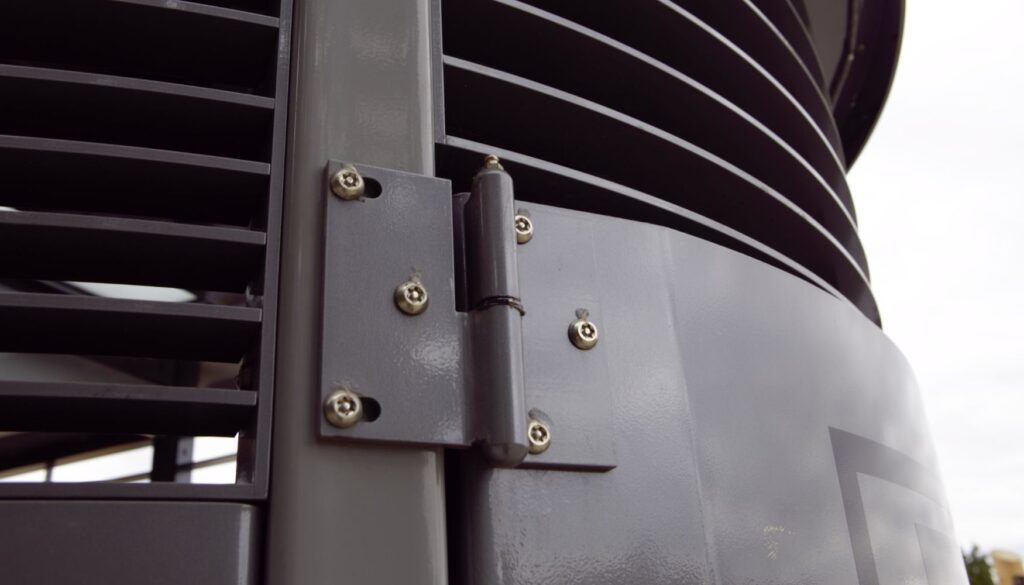
Prefabricated restrooms are built to code and are very durable for most applications.Traditional restrooms are also usually highly durable, depending on the materials used, but at a much greater cost.
#7: Sustainability
When considering a restroom build, it is important to think about what gets left behind.
Prefabricated restrooms include less material waste through efficient manufacturing.Traditional restrooms generate more waste during on-site construction.
#8: Maintenance
Keeping a restroom in good shape should be easy, not a headache.
Prefabricated restrooms have standardized components that make repairs simple. Traditional restrooms may require custom repairs depending on their construction.
Things To Consider Before Choosing a Prefabricated Restroom
While prefabricated restrooms may sound like the stress-free solution to your restroom needs, there are still some considerations needed before taking the plunge.
Every installation is unique, and taking time to plan will ensure your project goes smoothly from start to finish. Before committing, you should address the following:
- Site prep requirements
- Plumbing or electric/utility connections
- Local permits and building codes
- Budget
- Longevity
- Use case and traffic volume
Taking some time to research these before starting your restroom construction project can save you time and money and help you get the most out of your investment.
Prefabricated Restroom: FAQs Answered
Can Prefabricated Restrooms Be Customized?
Yes! We offer a variety of custom colors to fit your city’s environment. You can also add elements to your restroom, including:
- Soap dispensers
- Hand dryers
- Baby changing tables
- Trash cans
- Hand sanitizer dispenser
- Sharps disposal
- Solar panels
- And more
Where Are Prefabricated Restrooms Commonly Used?
Prefabricated restrooms are generally found in outdoor public spaces such as:
- Parks and recreation areas
- Schools and universities
- Beaches and waterfront areas
- Sports complexes and event spaces
- Urban streetscapes and transit stations
- Construction and job sites
Do Prefabricated Restrooms Require Plumbing and Utility Connections?
Yes, but all the utilities are installed and set up before it arrives, so all you need to do is hook it up to the correct lines. These include:
- Sewer and drain connections
- Water supply
- Electric connections
If you have questions about utility connections, our team at The Portland Loo can help! Contact us today to get started on your own prefabricated restroom.
The Portland Loo: Constructing Safe, Durable, and Clean Prefabricated Restrooms for Public Use
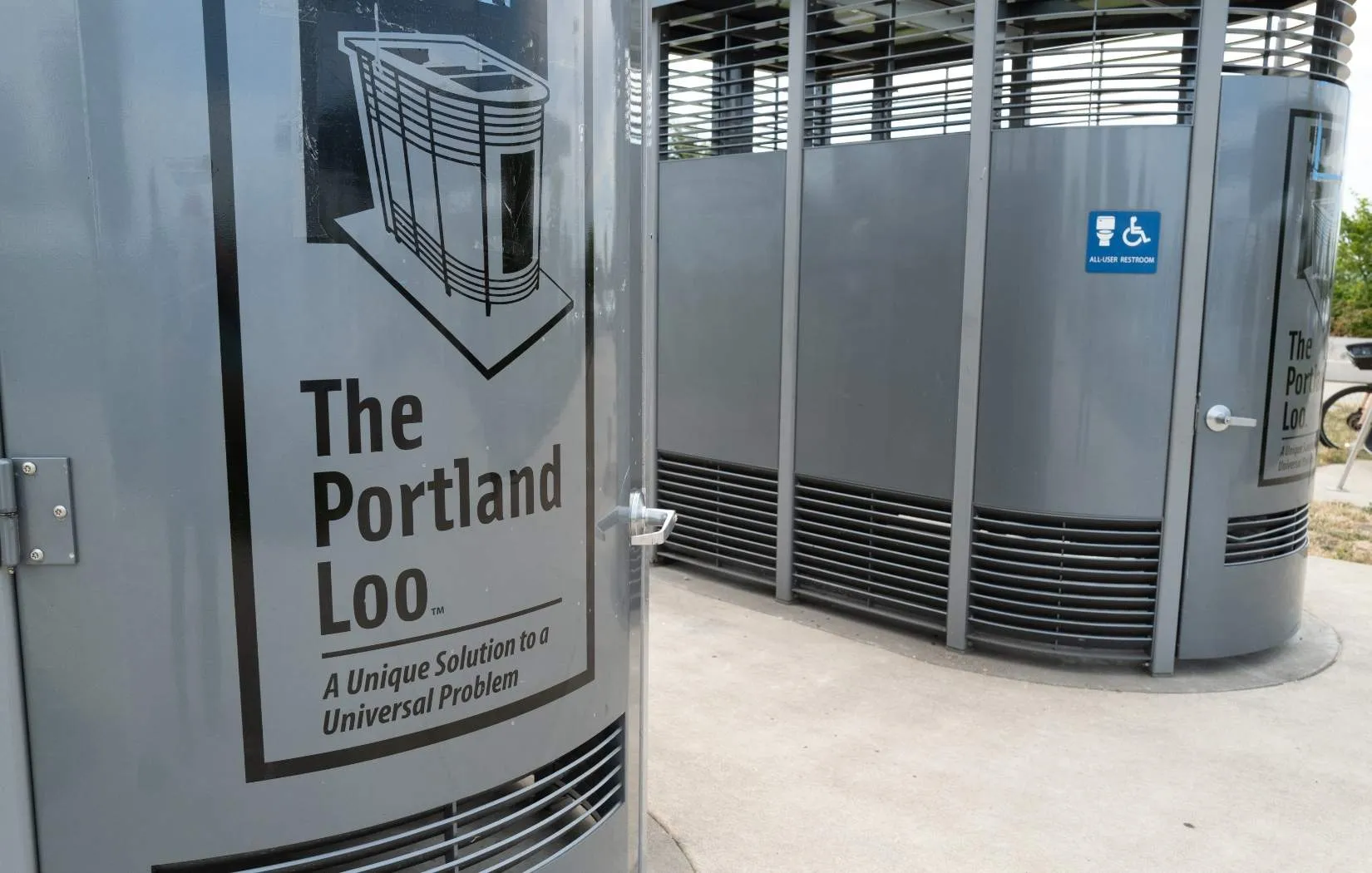
The Portland Loo is Portland’s trusted prefabricated restroom solution for rural and urban spaces.
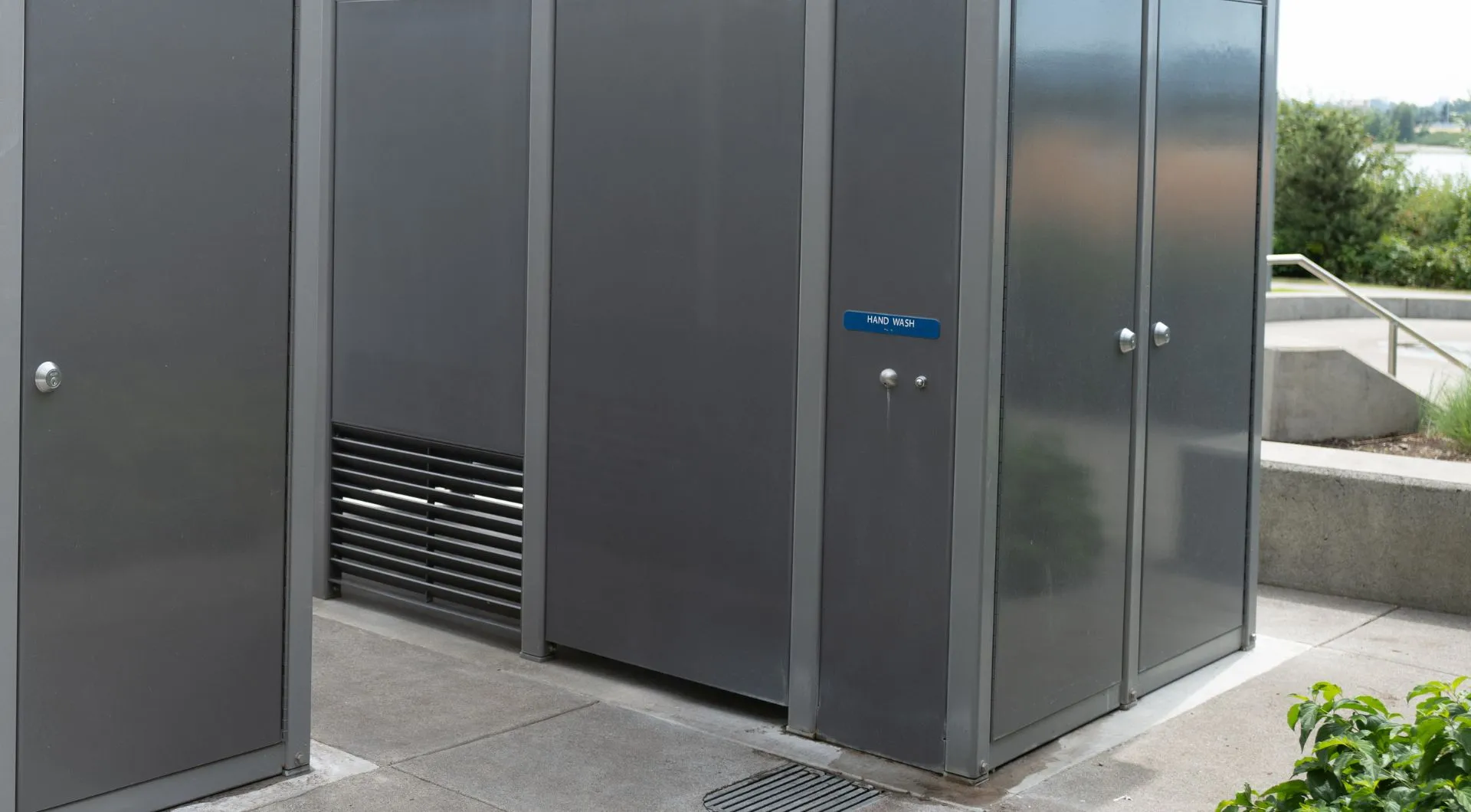
We take design considerations seriously and ensure that your portable restroom is not only purposeful but safe. Our restrooms include:
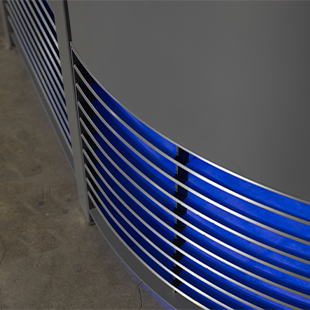
- Open-safety grating
- Anti-graffiti walls
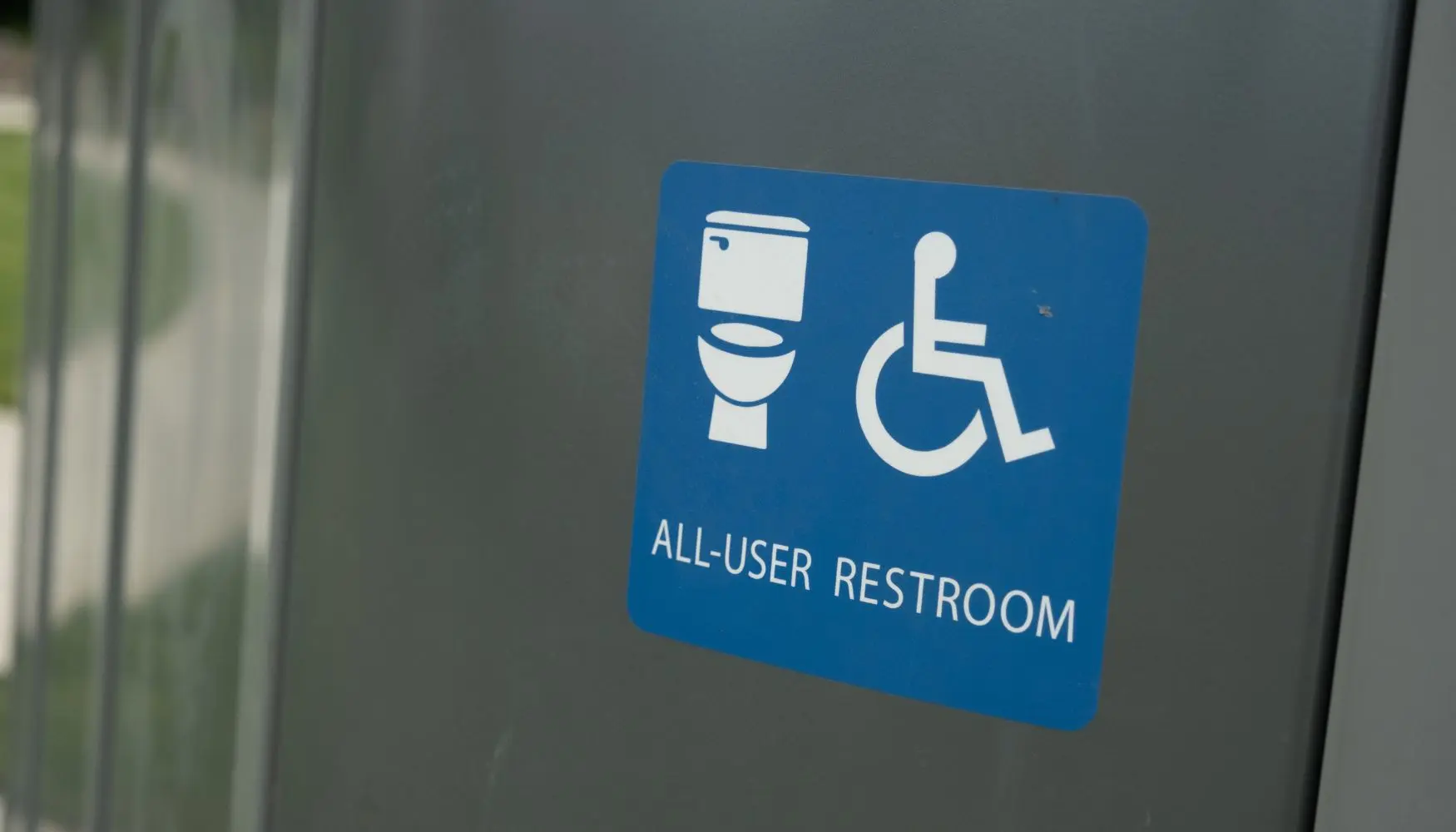
- Handicap accessible features
- Interchangeable components
- Designs that deter crime
In addition to their functional design features, our prefab restrooms are timeless and create a welcoming, sanitary community.
Contact us today to learn more about our design options and why our prefabricated restrooms are the best choice for your public restroom needs.