The restroom isn’t just a place for heading nature’s call. As it turns out, the restroom is quite a thought-provoking place. There are several terms within the loo lingo such as think tank that describe this phenomenon. If you’ve ever wondered why toilets are white while on the meditation station (okay, okay…we made that one up), you’re finally going to have an answer. On the likely chance that you’ve never wondered about it, you’re still going to have this porcelain puzzle answered!
The most common toilet material is white.
The historical timeline of the toilet shows that humans have used some interesting (and unwelcoming) materials when constructing this essential tool. Today, the material of choice is known as vitreous china. Sounds pretty fancy, huh? This strong and cost-effective ceramic takes on a bright white color when exposed to bright temperatures, similar to glass blowing. This is how the unique shape of toilets is achieved. There are other reasons toilets are white, but this is the short-and-sweet explanation you can add to your arsenal of random factoids.
The standard color is the cheapest option.
For the average user, the function of a toilet is the only thing that matters. As long as it flushes, nearly everyone is happy. Not many people are interested in spending more just to have a toilet that looks different. That explains why the default color of the flashed ceramic material has remained the standard color for toilets. Every year that passes, the standard becomes more reinforced. That’s why most people don’t even consider the potential for another toilet color. Even with the knowledge, most people wouldn’t fork over any extra cash for a pink toilet.
Further Reading: The Most Expensive Toilets in the World
People associate white with cleanliness.
White is closely associated with hygiene and cleanliness across the globe. It’s the color of choice in hospitals, doctor’s offices, and other medical settings when people want to demonstrate a high level of sanitation. Because dust, dirt, and other debris show so easily on white surfaces, opting for the color gives users peace of mind knowing the surface is clean. This is precisely what people want to achieve with their toilets. In reality, other lighter tones such as silver achieve the same result.
White makes spaces feel bigger.
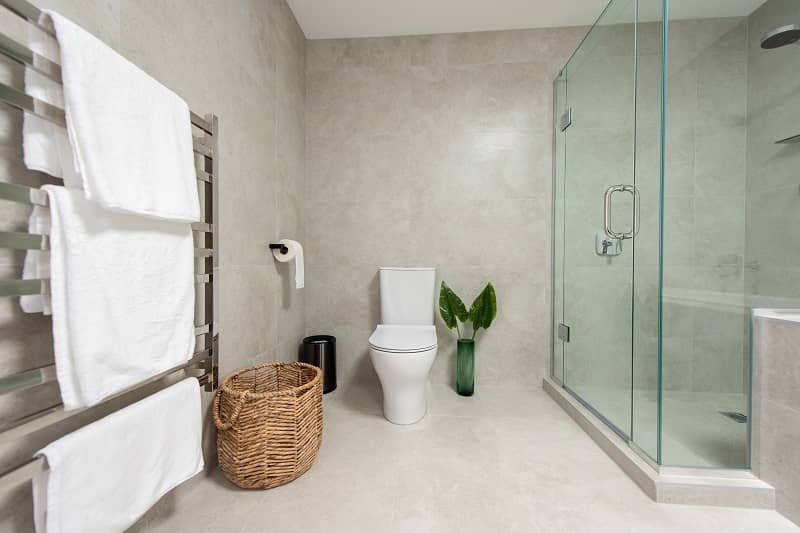
Bathrooms aren’t known for their spaciousness. In fact, that’s an understatement. They’re some of the smallest rooms in the house (even behind some closets). So, how do people make bathrooms feel bigger than they really are? You guessed it! By using a bunch of white in the tiles, cabinets, backsplashes, walls…and toilets. White reflects light better than all other colors which results in an area feeling larger. It’s a handy little trick that’s become the mainstay for restrooms.
It’s easy to match.
Another reason white is the most common color for toilets is simply aesthetic preference. It’s much easier to design a bathroom when the appliance is a neutral color. That’s why sinks, bidets, bathtubs, and showers also tend to be white. This standard ensures a bathroom (no matter the number of appliances) is a blank canvas that homeowners or building owners can design to their unique preferences. This flexibility also makes it easier for toilet manufacturers to reliably sell their products. Could you imagine the struggle of having to design a bathroom around a jet-black toilet? Yikes!
The Portland Loo is redefining the public restroom.
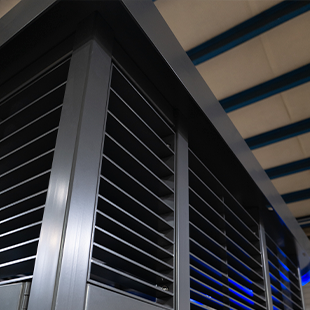
Public restrooms have remained unchanged for decades, and the Portland Loo is on a mission to change things for the better. We’re bucking all the trends (including white toilets) to provide cities with a more cost-effective, durable, and safe place to go. The Loo has already become the toilet of choice for communities and cities across the globe. If you’d like to learn more about what the city’s friendliest toilet has to offer, check out our Why the Loo page. Feel free to contact us if you have any questions.