
We all share the same planet. We share sidewalks, we share air… and, yes, we share restrooms. Yet somehow, when it comes to public bathroom behavior, it’s like all bets are off. Whether it’s a busy airport, a small-town park, or a street-corner urban Loo, there are certain unwritten rules we wish were common knowledge.
So let’s make them official. If you’ve ever wished you could hand someone a pamphlet after they left the stall looking like a tornado came through, this article is for you. These are the unspoken (but now totally spoken) dos and don’ts of public restroom etiquette — so we can all have a better, cleaner, more dignified experience when nature calls.
✅
Do Keep It Moving
The DOs
Public restrooms aren’t the place for a social media scroll session or an existential crisis. Be respectful of others who may be waiting. In and out is the name of the game.
✅
Do Aim (and Clean) with Care
Seems obvious, right? And yet… here we are. A quick wipe with a paper towel or flush with your foot can go a long way toward not horrifying the next visitor.
✅
Public restrooms carry echoes like a canyon. No one wants to hear your work call or your weekend plans while washing their hands. Keep conversation short and volume low.
✅
Do Wash Your Hands — Properly
Soap. Water. At least 20 seconds. No shortcuts. It’s good for your health, good for the community, and also the bare minimum expected of a functioning adult.
✅
If a toilet’s overflowing or a soap dispenser’s empty, say something. Restroom upkeep is a team sport — and the people responsible for maintenance will appreciate the heads-up.
❌
Don’t Treat It Like Your Personal Powder Room
The DON’Ts
This is not the time or place to start flossing, changing outfits, or doing a skincare routine. Public is the key word here — not private spa.
❌
Don’t Leave “Extras” Behind
We’re talking tissues on the floor, mystery puddles, or any kind of graffiti. Leave no trace. This isn’t a campsite… but maybe we should start treating it like one.
❌
Don’t Test the Plumbing’s Limits
If you’ve ever flushed an entire paper towel roll and thought “It’ll be fine,” you may owe the universe a karmic apology. Only flush what’s flushable. Period.
❌
Don’t Make It Awkward
No need for eye contact or stall-to-stall conversations. Let’s all agree on a respectful silence. If you must speak, keep it short: “Sorry,” “Occupied,” and “Thanks” are more than enough vocabulary.
Real-World Respect Starts with Real-World Restrooms
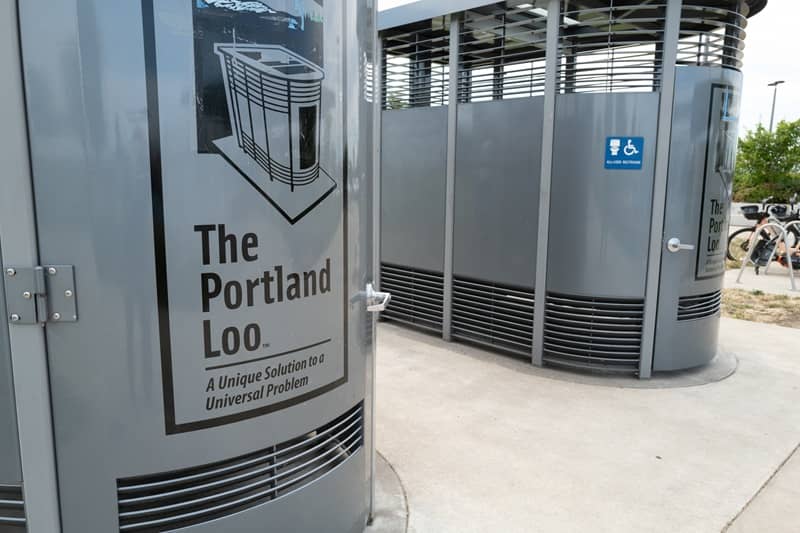
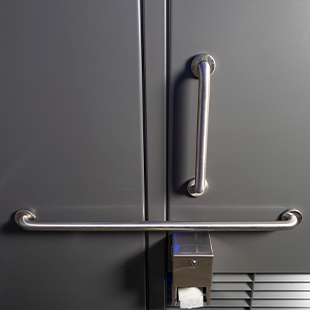
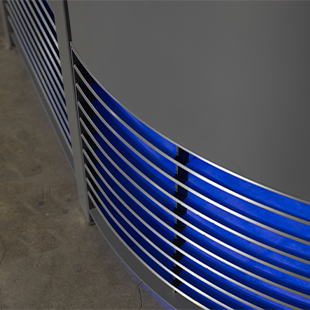
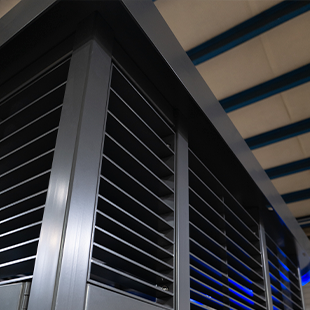
One reason The Portland Loo® works so well in public spaces is that it was designed with etiquette and behavior in mind. With features like open grating at the top and bottom for visibility, a hand-washing station built right into the exterior, and a small, efficient interior that encourages quick use, the Loo helps nudge users toward respectful habits without signs, rules, or passive-aggressive post-it notes.
As One Truckee River put it in a real-world review:
“We chose The Portland Loo® for Reno because it’s sturdy and safe, incorporates several features to discourage undesirable use, and has significantly lower installation and operational costs than traditional park restroom buildings.”
— One Truckee River, via LinkedIn
That kind of feedback speaks volumes — and it’s exactly why so many cities are turning to the Loo as a reliable, respectful solution for public sanitation.
If you want to bring that level of design and dignity to your own city or neighborhood, there’s a practical first step.
Our Training Center includes a short, no-nonsense course called “How to Bring a Loo to You.” It’s designed to help you rally support, talk to local decision-makers, and build a clear, compelling case to install a Portland Loo® where it’s needed most.
Because the best public restroom experience starts with a little respect — and a whole lot of smart design.
Start the free training now.