About Loo
LOOK FOR THE PORTLAND LOO®
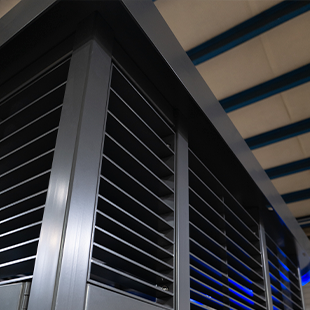
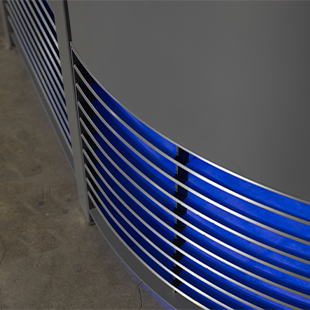
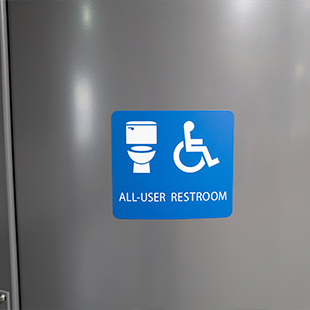
The Portland Loo® is a public restroom design developed by the City of Portland to address the city’s need for durable, safe, clean, and accessible public restrooms in both urban and rural areas. The Loo was created in response to concerns about hygiene, safety, and accessibility in public restrooms, and its design reflects a focus on durability, security, and ease of maintenance.

The Portland Loo® was designed not only for functionality but also to fit into the city’s urban landscape while addressing social and public health needs. It has been widely recognized and replicated in other cities across the United States as a model for public restrooms.
The Portland Loo® was designed by the City of Portland, in a collaboration with the architectural firm Miller Hull. The design was developed as a response to the city’s need for safe, durable, and accessible public restrooms, especially in high-traffic areas. The team worked closely with city officials and other stakeholders to address the challenges of hygiene, safety, and maintenance in public restrooms, resulting in the creation of the highly functional and innovative Portland Loo.
The City of Portland first installed The Portland Loo® in 2008, responding to the growing need for more accessible, safe, and durable public restrooms. The inaugural Loo was placed in the Old Town Chinatown district as part of a pilot project aimed at addressing restroom needs in high-traffic urban areas.
Still in use today, The Portland Loo® in Old Town Chinatown has become a vital component of the city’s public restroom infrastructure. It has effectively met the community’s needs by offering a secure, clean, and accessible restroom in a bustling area, while also serving as a model for similar installations in other cities across the country.
The city utilized the principles of CPTED to determine the placement of the Old Town Chinatown restroom and continues to apply this approach in its ongoing urban planning and public safety efforts.
CPTED stands for Crime Prevention Through Environmental Design. It is a multidisciplinary approach to crime prevention that focuses on the design and layout of physical environments to reduce opportunities for crime and improve public safety. The core idea is that urban and architectural design can influence human behavior in a way that discourages criminal activity and promotes a sense of security.
Key principles of CPTED include:
1. Natural Surveillance: Designing spaces to increase visibility and allow for monitoring, making it easier for people to observe what’s happening around them.
2. Territorial Reinforcement: Encouraging a sense of ownership and responsibility over spaces, so people are more likely to care for them and report suspicious activities.
3. Access Control: Designing environments in a way that limits or controls access to certain areas, making it more difficult for potential offenders to enter or hide.
4. Maintenance: Ensuring that spaces are well-maintained, which can foster a sense of care and reduce the likelihood of neglect that may encourage criminal activity.
CPTED is often used in urban planning, public safety, and architectural design to create safer and more inviting public spaces.