
Self-cleaning stalls. Touchless everything. Mood lighting? The world of public toilets isn’t what it used to be — and honestly, that’s a good thing.
As cities grow, travelers roam, and public space becomes more essential than ever, a quiet revolution is happening in the most unlikely place: the restroom. Today’s public toilets are getting smarter, safer, and more sustainable — and the innovations coming down the pipeline (pun intended) are pretty wild.
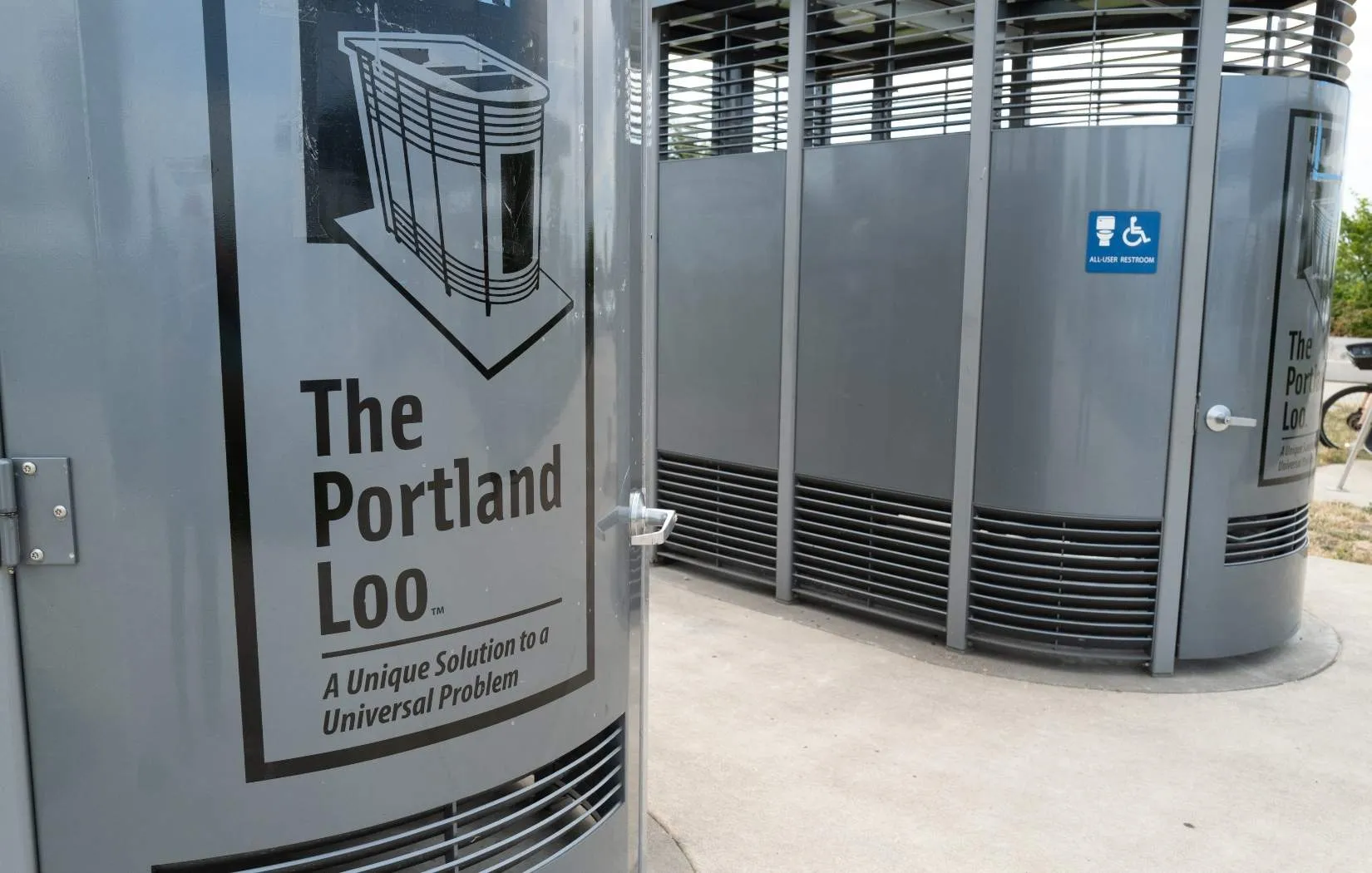
Here’s what the future of public restrooms looks like — and how The Portland Loo® is already making it real — without the over-engineered gimmicks.
- Touchless Everything
The pandemic accelerated a big shift: people don’t want to touch anything in a public restroom — and they shouldn’t have to.
New technologies offer:
- Motion-sensor sinks, soap, and dryers
- Foot-pull doors or no doors at all
- Automatic flushing systems and lighting
But these touchless features can sometimes be overly sensitive, glitchy, or expensive to maintain in outdoor environments. A wave-activated faucet is great — until it doesn’t work.
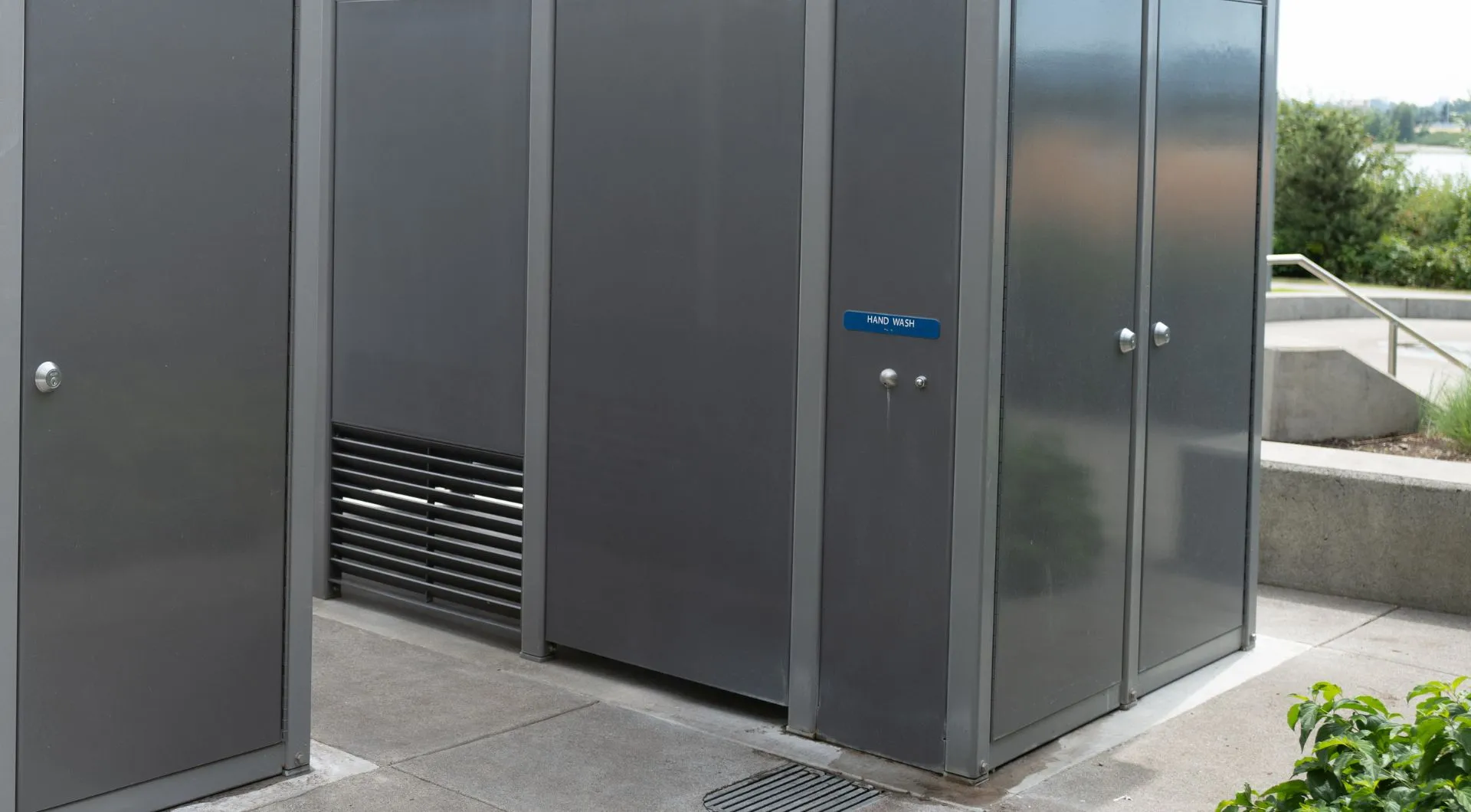
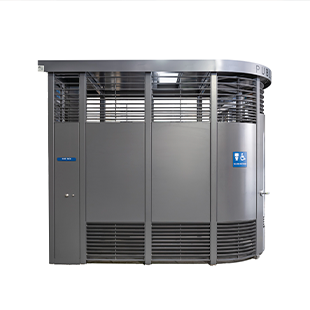
The Portland Loo® takes a thoughtful approach, keeping shared touchpoints to a minimum by placing the hand-washing station on the outside of the unit — reducing both germ transmission and internal wait time.
- Smart Sensors and Remote Monitoring
Cities are exploring sensor-based monitoring to improve restroom operations. These can:
- Alert staff when supplies run low
- Track usage to optimize cleaning
- Flag issues like blockages or damage in real time
These tools are useful — when they work and when they’re affordable. But they require connectivity, maintenance, and backend staffing that not every city has.
The Portland Loo® is designed to be compatible with smart infrastructure, while still functioning just as effectively without it. Its rugged simplicity means fewer points of failure — and fewer service calls.
- Self-Cleaning Stalls
Fully automated toilet pods that clean themselves after every use sound like the future — and in some cases, they are. But these high-tech systems are often expensive to install, hard to repair, and not ideal for places with weather extremes or high vandalism risks.
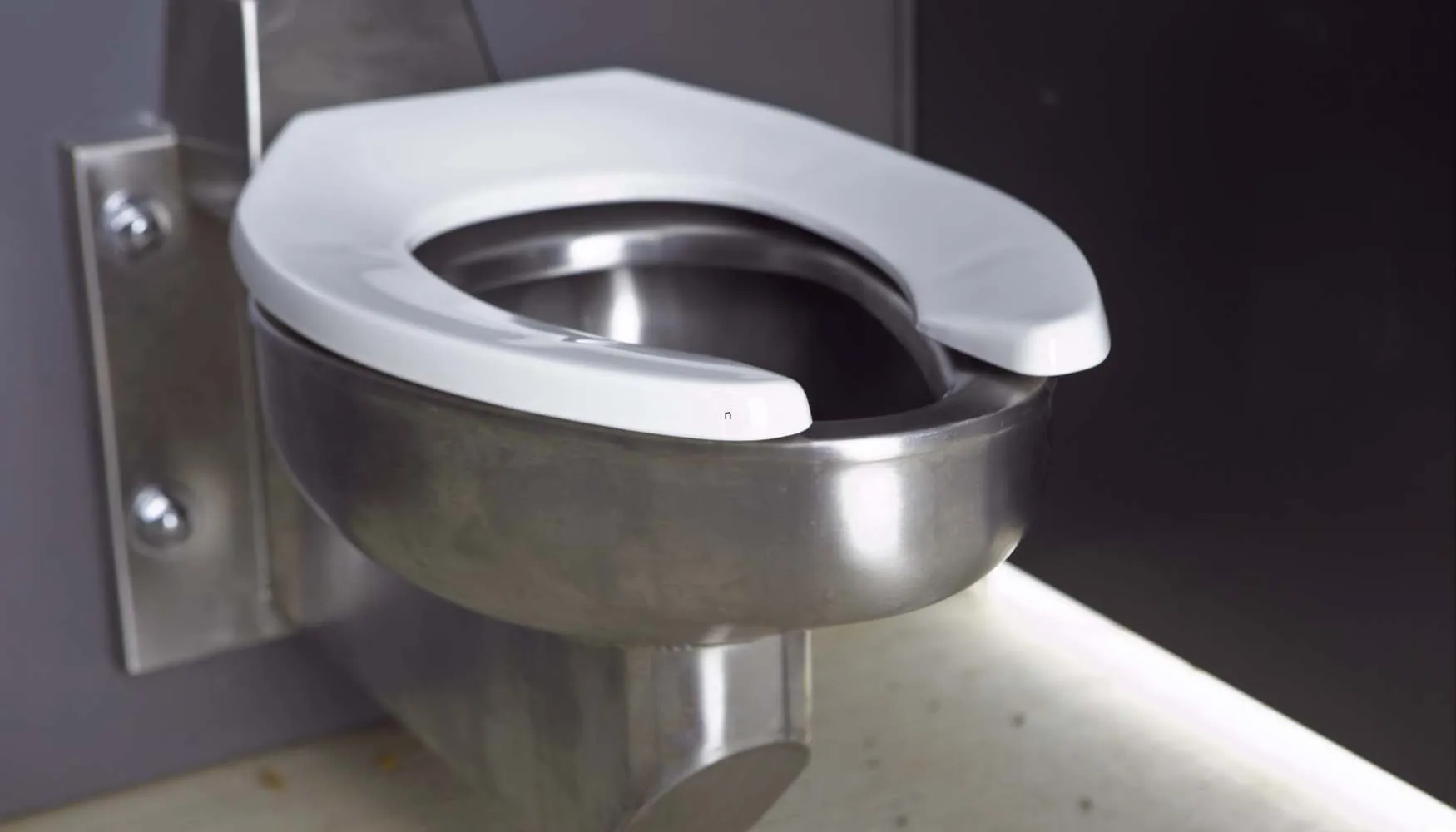
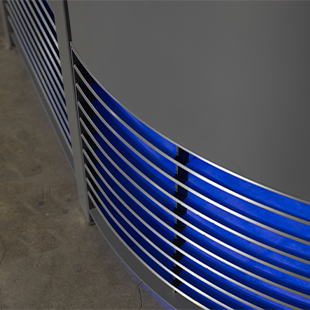
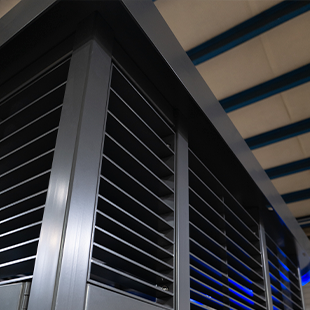
The Portland Loo® was built to be cleaned quickly and easily — no moving parts required. With vandal-resistant stainless steel walls and durable interiors, Loos can be power-washed and reset with minimal effort and expense. It’s the low-tech win cities can count on.
- Sustainability
Sustainable toilets are no longer just a trend — they’re a necessity. The latest eco-options include:
- Reclaimed water systems
- Low-flow, low-voltage fixtures
- Solar power and green materials
But too much tech can complicate installation or drive up costs. That’s why The Portland Loo® was designed to be green from the ground up. With optional solar panels and a streamlined, low-resource footprint, it meets sustainability goals without sacrificing performance or budget.
- Inclusive Design
Today’s public restrooms are expected to serve everyone. That means:
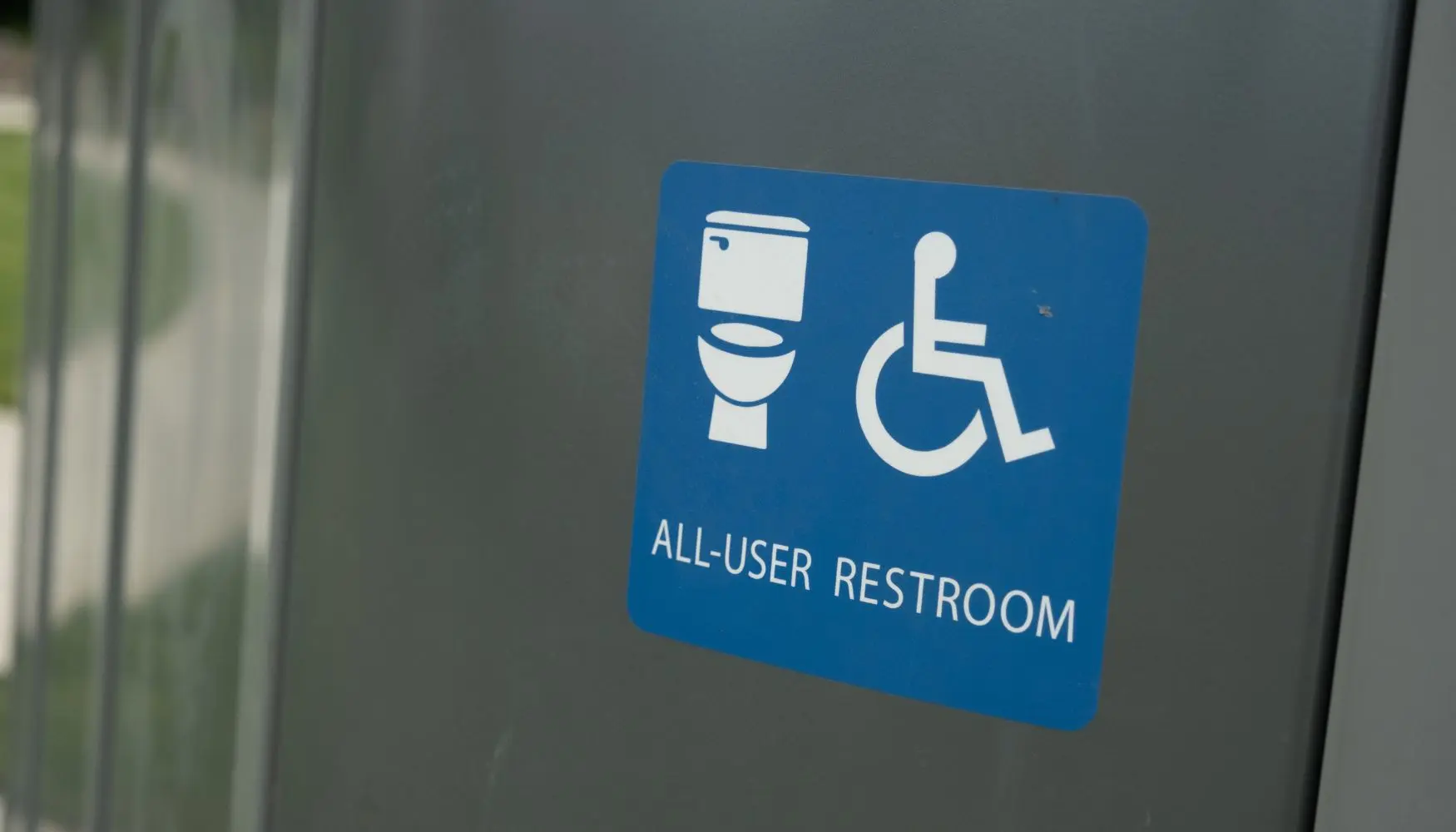
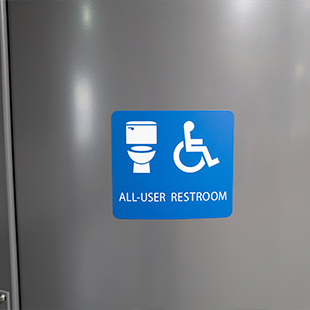
- Full ADA compliance
- Gender-neutral designs
- Safe, private spaces with good visibility
- Signage that doesn’t exclude or confuse
The Portland Loo® was developed with inclusivity as a priority — and it’s praised for delivering on that promise. As Jim Atz, Community Development Administrator for the City of Fort Wayne, put it in a review:
“The Portland Loo® is exactly what public spaces need: safe, efficient, dignified.”
(Portland Loo Reviews, February 2025)
The Future Is Already Here — and It’s Called a Loo
We love tech. But the smartest restrooms aren’t always the flashiest. The Portland Loo® proves that simple, intentional design can outperform complex, high-maintenance systems.
Want to know how it works?
Check out the full list of frequently asked features, or connect with us to explore timelines, customization, and real-world performance.
A great public restroom doesn’t have to talk to you. It just has to work.
And with The Portland Loo®, it does.