The United States has had a complicated love-hate relationship with public restrooms in the recent past. There’s been an ebb and flow from positive, common-sense, and effective developments in the space to ineffective, unreasonable, and uncaring policies. This back and forth has left the US with a colorful track record of some major wins and big losses. Here, we’re going to take a look at what the US has gotten right and wrong about public restrooms while looking to see what the future might hold.
The Good
Most public restrooms are free.
If you can find a public restroom, it’s almost guaranteed to be free. This seems like an obvious point to US citizens, but it’s not the case in most other places in the world. For example, most public facilities in Europe require (or request) a small payment. We owe plenty of thanks to the Committee to End Pay Toilets in America (CEPTIA) which was a pioneering force behind the move to make public restrooms across the country free to use. It’s easy to take this fact for granted, but it’s something that the US does uniquely right in the public restroom sphere.
Many businesses offer free restrooms.
Private businesses have pulled more than their weight by offering clean and accessible restrooms to anyone, not even just paying customers. This has alleviated some of the pressure governments experience to provide public restrooms. It’s a positive for the people who need a restroom in a pinch when a public option isn’t around. However, it seems this altruistic gesture might be coming at a cost as many companies are rethinking their open-bathroom policies. For example, Starbucks’ CEO recently commented that the coffee giant’s 2018 decision to allow anyone to use their restrooms is going to be restricted due to various downsides.
The Bad
There aren’t enough restrooms.
If you’ve ever had the instant need to “go” when you’re on the go, you’ve probably noticed a frightening lack of public restrooms. It’s not comforting to know there might not be a place to answer Mother Nature’s call when you’re not at home. Shockingly, there are only 8 restrooms per 100,000 people across the US. Iceland – a country roughly the size of Kentucky – has 7-times more public restrooms than America, despite having a drastically smaller population. This severe dearth of public facilities has only been exacerbated by the recent pandemic with many cities closing down restrooms while remaining reluctant to invest in new ones.
Most facilities don’t last long.
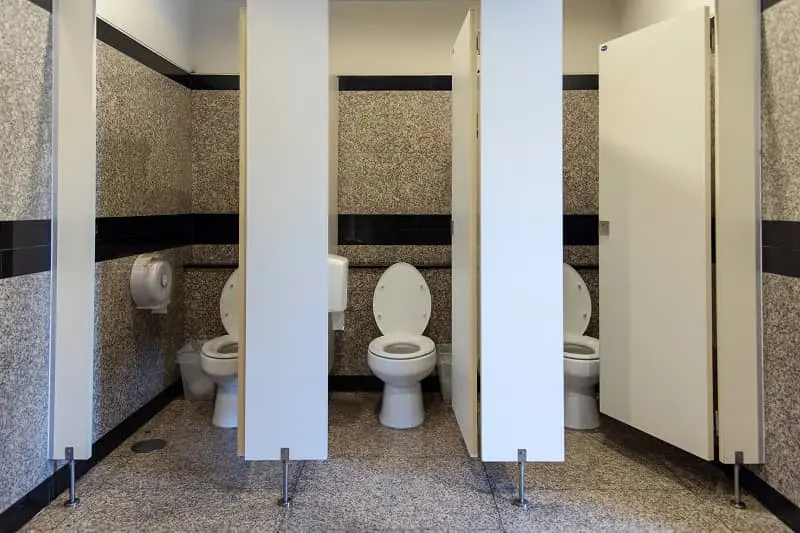
Among city leaders, public restrooms have become synonymous with expensive and short-lived investments. This is partially due to the low-quality materials and poor design of traditional facilities. It’s not uncommon to hear of cities that put significant funds towards the development and installation of a public toilet that ends up getting ripped out a few years later because it’s no longer serviceable. For too long, cities have invested in low-standard bathrooms that fall apart quickly and rob the public of a place to go.
It’s easy to misuse public toilets.
The typical public toilet is mistakenly designed to make users as comfortable as possible which only increases the likelihood of illicit behavior. It might sound counter-intuitive, but the more privacy and accommodation a public toilet provide, the more it will be misused. It’s an age-old problem cities experience. After investing in an expensive public restroom, a slew of problems makes the facility unusable. Criminals take advantage of privacy for illegal activities such as graffiti, damage, drug use, and more.
The Future
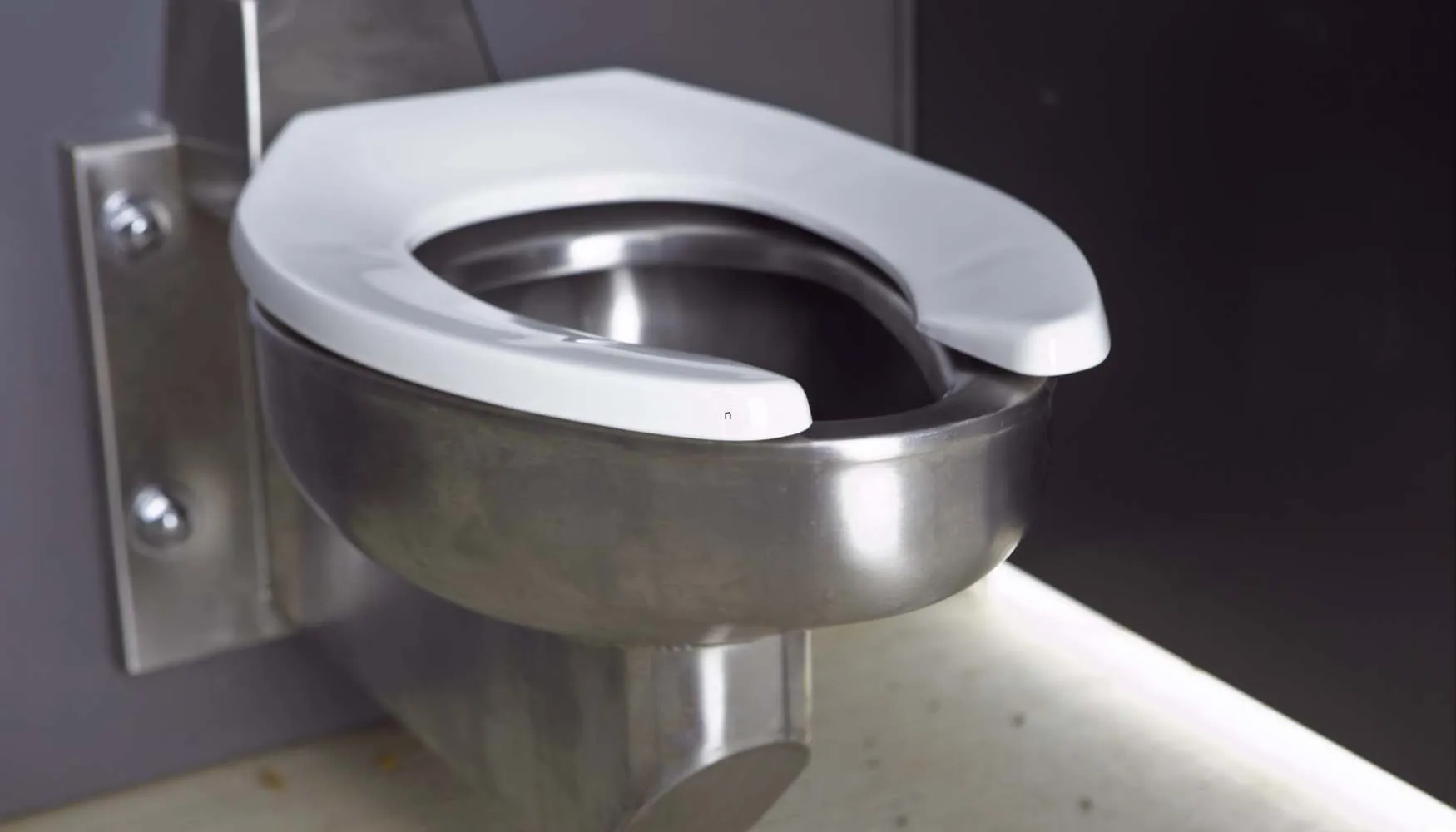
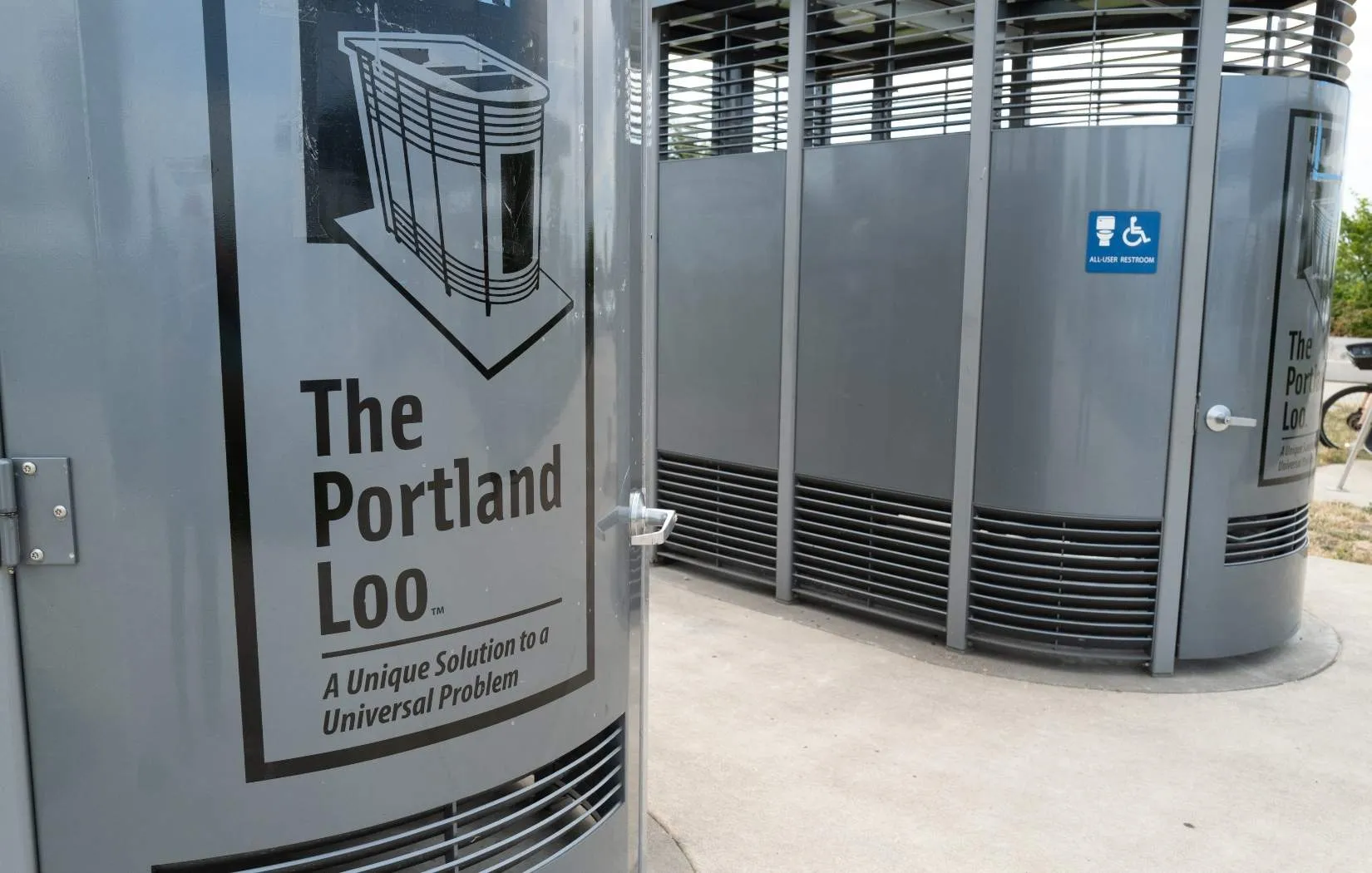
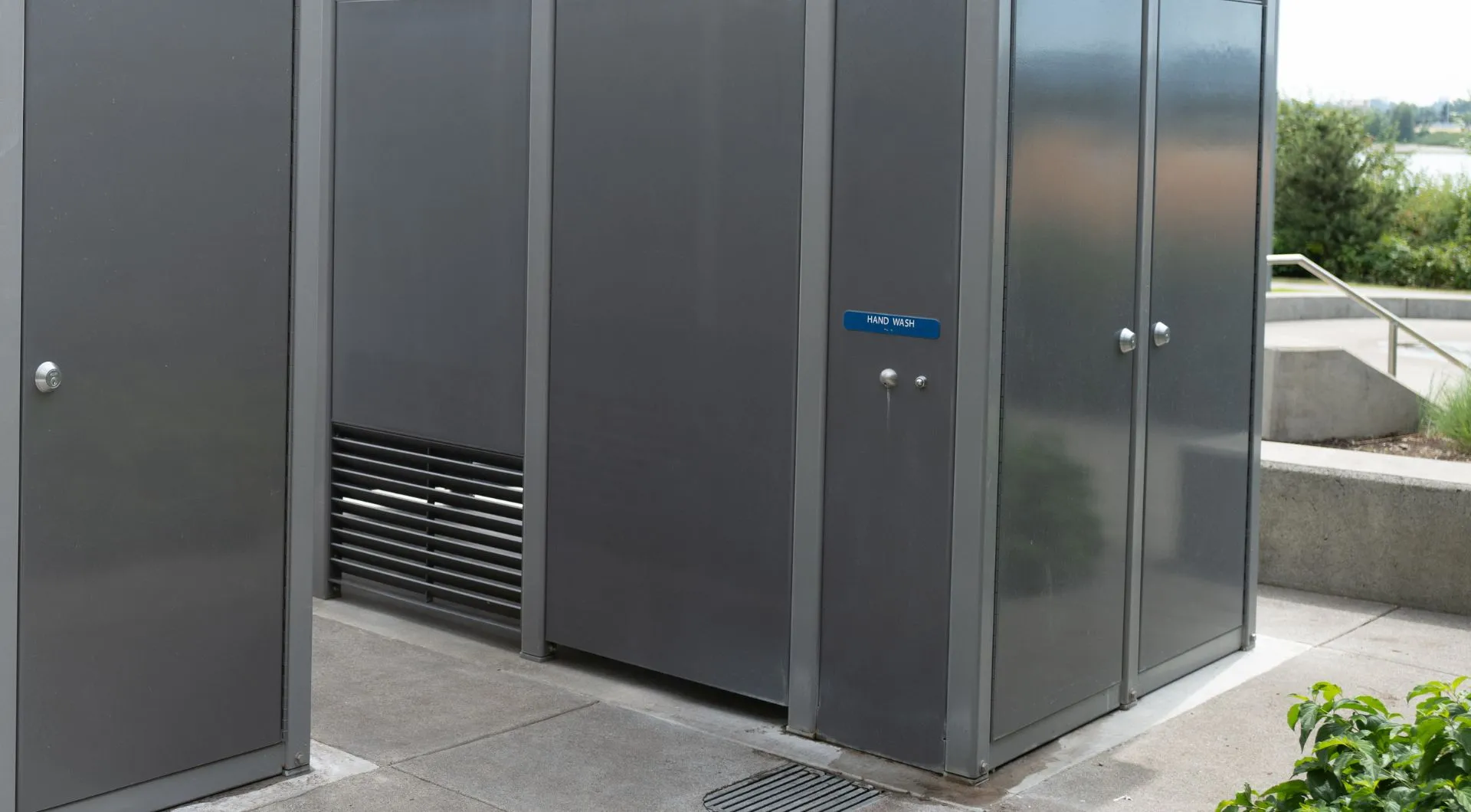
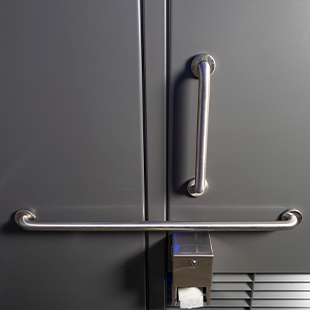
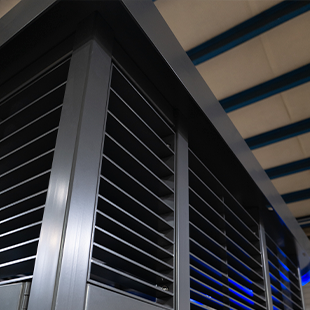
The Portland Loo is redefining the public restroom to provide a longer-lasting, more accessible, and more cost-effective solution that solves the problems of traditional public facility options. The Loo is designed for easy maintenance, built with highly durable stainless steel, and actively deters crime. If you’re interested in learning more about how the Loo is solving the nationwide toilet problem, contact us today.