How to Clean The Portland Loo®
Purpose of Public Restroom Cleaning:
- Public health and safety
- Contributes to the overall appearance and impression of the facility
- Odor control
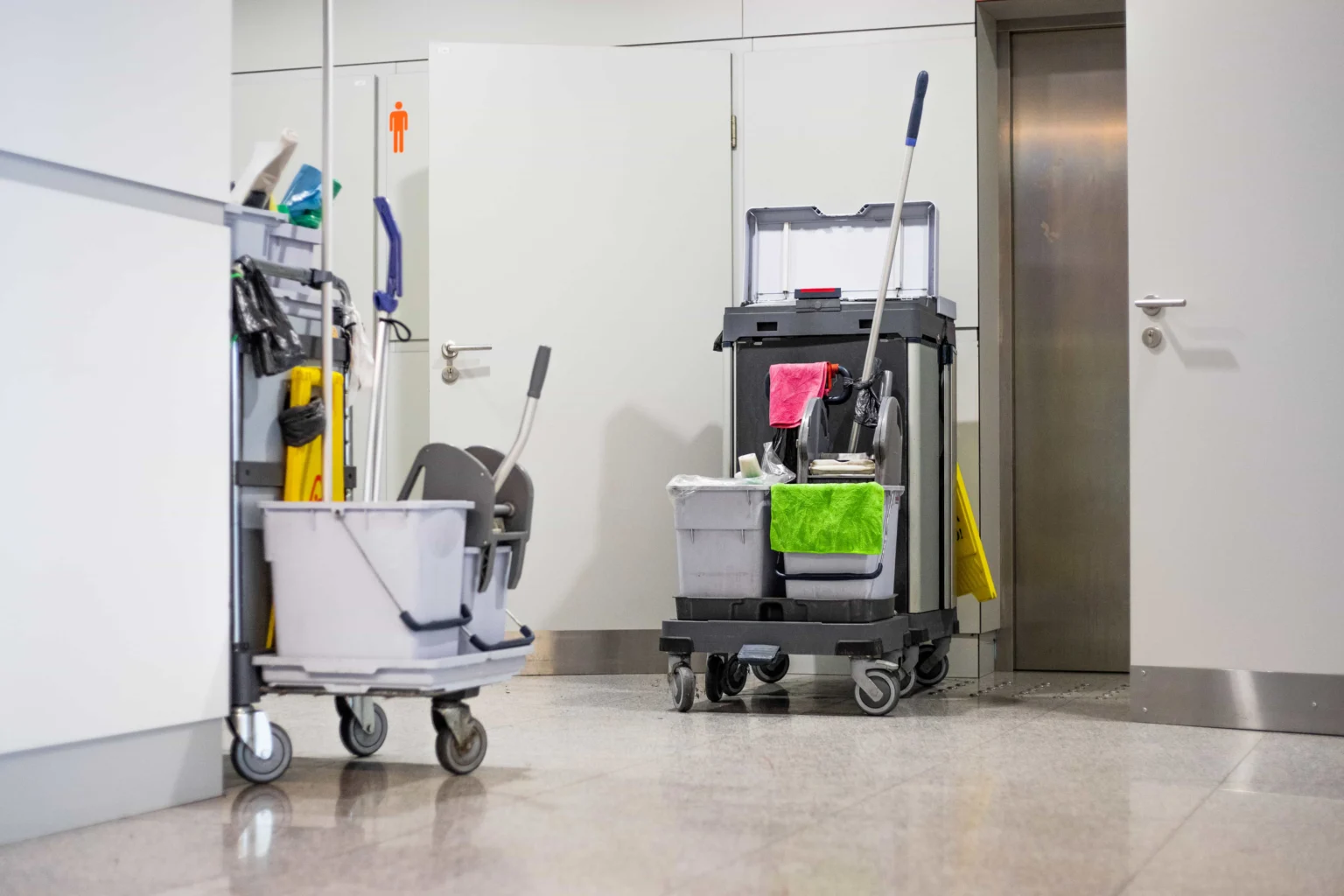
Tools & Materials You Will Need:
- Trigger spray bottles or pump up sprayer
- Clean cloth’s
- Sanitizer cleaner
- Citrus base cleaner
- Broom and dustpan
- Liners for waste receptacles
- Bowl swab
- Toilet bowl extracting tool H. 25’ hose with spray nozzle
- “Closed for cleaning” signs
- Gloves and goggles
Products You Will Need:
- Disinfectant cleaner
- Glass cleaner
- Toilet bowl cleaner
- Hand sanitizer
- Tissue paper
- Sanitary napkins/tampons (if applicable)
Note: Do not use the following cleaners on stainless steel: Chlorine, Sulphuric Acid, Iodine, Muriatic Acid, Hydrochloric Acid. These products can promote rusting on stainless steel finishes.
Daily Procedures for Cleaning Public Restrooms:
1. Put on gloves, goggles and proper protective wear.
2. Place the “Closed for Cleaning” sign if needed.
3. Pick up loose litter. Use the broom to sweep the floor and the dustpan to pick up dirt.
4. Using a spray bottle filled with a cleaner disinfectant and a clean cloth, clean:
- Sanitizer dispensers
- Doorknobs
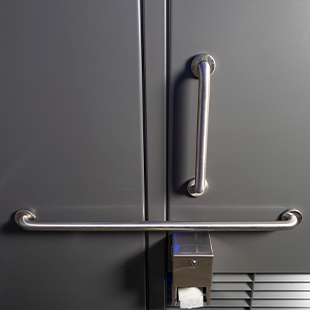
- Grab rails
5. Using a spray bottle filled with a cleaner disinfectant and a clean cloth, clean walls and partitions around toilets.
6. Clean the toilet following suggested procedures.
7. Empty and disinfect the wastebasket.
- Tie the liner closed and carefully lift it out of the basket.
- Dispose of in the trash bag on cleaning cart.
- Spray inside and outside of the wastebasket with cleaner disinfectant. Wipe dry.
- Place a new liner in the wastebasket.
8. Replenish toilet paper.
9. Replenish hand sanitizer in back water closet.
Weekly Procedure for Cleaning Public Restrooms:
(In addition to the regular daily routine)
1. Wash and disinfect walls from eye level down to the floor.
2. Spray with disinfectant cleaner from trigger sprayer.
3. Wipe with clean cloth.
4. Check toilet seat for damage and proper operation.
5. Check door hardware including, door handle, door latch, door closer and hinges for any damage and proper operation.
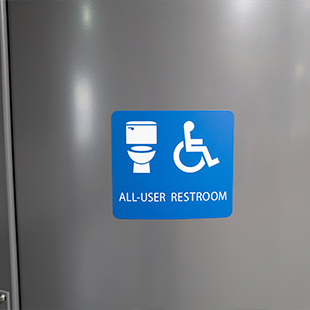
6. Check the condition of signage for damage.
7. Check exterior hand wash for damage and proper operation.
8. Check the exterior hand wash basin for plugs and debris.
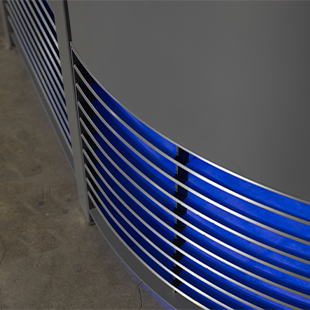
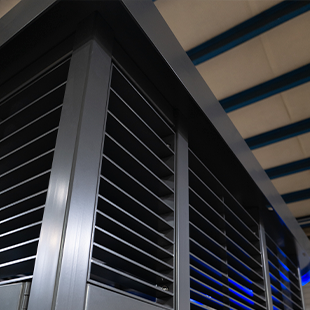
9. Check the walls and louvers for any damage or loose hardware.
10. Check the operation of lights by bypassing relay R1 and R2 in enclosure box inside electrical cabinet.
Winterization Winter Use:
The Portland Loo will need to be winterized for use during freezing temperatures.
1. Exterior hand wash will need the water supply turned off that leads to the pneumatic button and water valve.
2. Using a flat head screw driver loosen the round black valve body to drain residual water in the valve and reassemble.
3. Press the exterior hand wash button to cycle the water valve to ensure all water is drained.
Winterization for Wintertime Closure:
1. The water supply will need to be shut off in the restroom.
2. The supplied plumbing leading to Flushometer will need to be drained.
3. Activate interior toilet flush handle to ensure the plumbing supply is drained and doesn’t contain pressure.
4. Add anti-freeze to toilet bowl if water remains in bowl.
5. Exterior hand wash will need the water supply turned off that leads to the pneumatic button and water valve.
6. Using a flat head screwdriver loosens the round black valve body to drain residual water in the valve and reassemble.
7. Press the exterior hand wash button to cycle the water valve to ensure all water is drained.
8. It is recommended that electrical service still be supplied while restroom is shutdown, but can be turned off if needed.
For additional support, please contact: (503)226-4990 or [email protected]